Fashion Bloggers and Influencers on Instagram: AI Tools Transforming Who To Follow
Fashion bloggers and influencers on Instagram shape global style trends, and AI recommendation algorithms are now helping followers discover authentic voices. From mega-influencers to micro-creators, learn which fashion influencers matter most and how machine learning is personalizing the way we fol

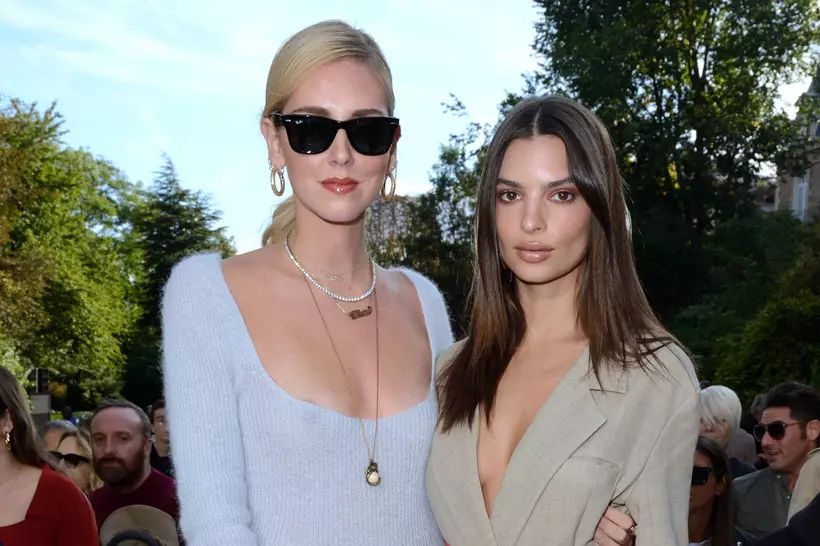
The landscape of fashion bloggers and influencers on Instagram has transformed dramatically in recent years. What began as personal style blogs evolved into a multi-billion dollar industry where fashion influencers command massive audiences and shape purchasing decisions globally. Today, artificial intelligence is revolutionizing how followers discover which fashion bloggers and influencers truly matter, using sophisticated algorithms to match individual tastes with authentic creator voices.
By YEET Magazine Staff | Updated: May 13, 2026 | Originally published: March 12, 2022

The Rise of Fashion Influencers and the $10 Billion Industry
Fashion bloggers and influencers on Instagram have become indispensable voices in the fashion ecosystem. The global influencer market was valued at $10 billion in 2019, and that figure has only grown exponentially. Fashion influencers—those with anywhere from 10,000 to several million followers—now occupy front-row seats at major fashion weeks, receive exclusive brand collaborations, and launch their own product lines. What makes this particularly fascinating is how AI-powered recommendation systems are now analyzing follower behavior to help audiences identify which fashion influencers align with their personal aesthetic and values.
According to comprehensive research from Kantar Media, 26.6% of 25-34 year-olds actively follow fashion influencers, while that number jumps to 38.2% for 15-24 year-olds. These statistics demonstrate that fashion bloggers and influencers on Instagram have become primary sources of style inspiration, trend forecasting, and purchasing recommendations. AI algorithms are now analyzing this follower data to create personalized feeds that surface fashion influencers most relevant to individual users, making discovery more efficient and authentic.
Categories of Fashion Influencers to Follow on Instagram
The world of fashion influencers on Instagram is incredibly diverse, catering to virtually every aesthetic, lifestyle, and demographic. Understanding these categories helps followers navigate the crowded influencer space and identify which fashion bloggers truly resonate with their personal style philosophy.
Celebrity Fashion Influencers and Mainstream Voices
At the apex of fashion influencers are celebrities and established personalities who leveraged their existing fame into Instagram empires. These fashion influencers benefit from massive built-in audiences and exclusive access to designer collections. Fashion bloggers in this category often partner with luxury brands and use their platforms to debut new collections before anyone else sees them. AI recommendation engines recognize that follower engagement with celebrity fashion influencers differs from micro-creators, adjusting algorithmic weighting accordingly.
Everyday Fashion Influencers and Relatable Creators
While celebrity fashion influencers command attention, many followers prefer everyday fashion Instagram accounts—creators who demonstrate how to style pieces from accessible price points. These fashion bloggers often have dedicated audiences because they translate runway trends into wearable, practical outfits. AI content analysis tools are increasingly identifying which everyday fashion influencers produce the highest-quality styling advice, measuring not just follower count but engagement quality and genuine influence over purchasing behavior.
Fashion Influencers Over 40 and Mature Audiences
A rapidly growing segment includes fashion influencers over 40 who challenge ageist beauty and style standards. These fashion bloggers prove that sophisticated style, experimentation, and trend leadership aren't exclusive to younger creators. Fashion influencers in this demographic often command deep audience loyalty and higher purchase intent among their followers. Machine learning systems are improving at recognizing and surfacing fashion influencers in this category to audiences seeking aspirational mature style icons.
Niche and Specialized Fashion Influencers
The landscape of fashion influencers on Instagram includes numerous specialized niches: Black fashion influencers driving conversations around representation and Afrocentric style, plus-size fashion bloggers, sustainable fashion influencers, gender-nonconforming creators, and subculture specialists. AI algorithms excel at matching followers with fashion bloggers and influencers whose values, aesthetic, and audience demographics align perfectly with their own preferences. These specialized fashion influencers often demonstrate the highest engagement rates because their communities feel genuinely seen and represented.
How AI Recommendation Algorithms Are Changing Fashion Influencer Discovery
Artificial intelligence has fundamentally altered how followers discover fashion influencers on Instagram. Rather than scrolling endlessly or relying on celebrity gossip, AI-powered recommendation systems analyze numerous data points: your engagement history, aesthetic preferences, follower demographics, content quality metrics, and even sentiment analysis of comments. When you follow certain fashion bloggers and influencers, machine learning algorithms immediately begin calculating which other creators would appeal to your taste.
These systems have become remarkably sophisticated. They can identify fashion influencers whose content quality, authenticity, and audience engagement exceed mere follower counts. This is crucial because many fashion bloggers with millions of followers have lower actual engagement rates than micro-influencers with smaller but deeply devoted communities. AI is helping surface these authentic voices—fashion influencers who genuinely influence purchasing behavior rather than simply accumulating vanity metrics.
The Economics of Fashion Influencers: What Followers Should Understand
Many followers are curious about how fashion influencers monetize their platforms. Fashion bloggers and influencers generate revenue through multiple streams: sponsored posts from brands (ranging from $1,000 to $100,000+ per post depending on follower count), affiliate commissions from product links, brand partnerships and collaborations, and increasingly, their own product lines. Some top fashion influencers earn six or seven figures annually, though earnings vary dramatically based on audience size, engagement rate, and niche.
Understanding the economics of fashion influencers helps followers evaluate authenticity. When fashion bloggers disclose sponsored content clearly, they're maintaining transparency that AI recommendation systems increasingly reward by analyzing audience trust signals. Followers who trust fashion influencers tend to engage more deeply, follow recommendations more frequently, and remain loyal even as influencers evolve their content strategy.
How to Identify Authentic Fashion Bloggers and Influencers
Not all fashion influencers on Instagram are created equal. Some fashion bloggers build authentic communities through consistent, genuine engagement and original styling perspectives. Others resort to bot followers, undisclosed sponsorships, and heavily filtered content divorced from reality. Here's how to identify which fashion influencers deserve your follow:
- Check engagement rates: Real fashion influencers have proportional likes, comments, and shares relative to follower count. AI tools can analyze whether engagement patterns look organic or artificially inflated.
- Evaluate content consistency: Authentic fashion bloggers and influencers develop distinctive voices and aesthetics. Their content feels cohesive rather than randomly chasing trends.
- Assess transparency: Fashion