AI Just Hacked Home Décor: How Your Vase Knows What You'll Buy Next

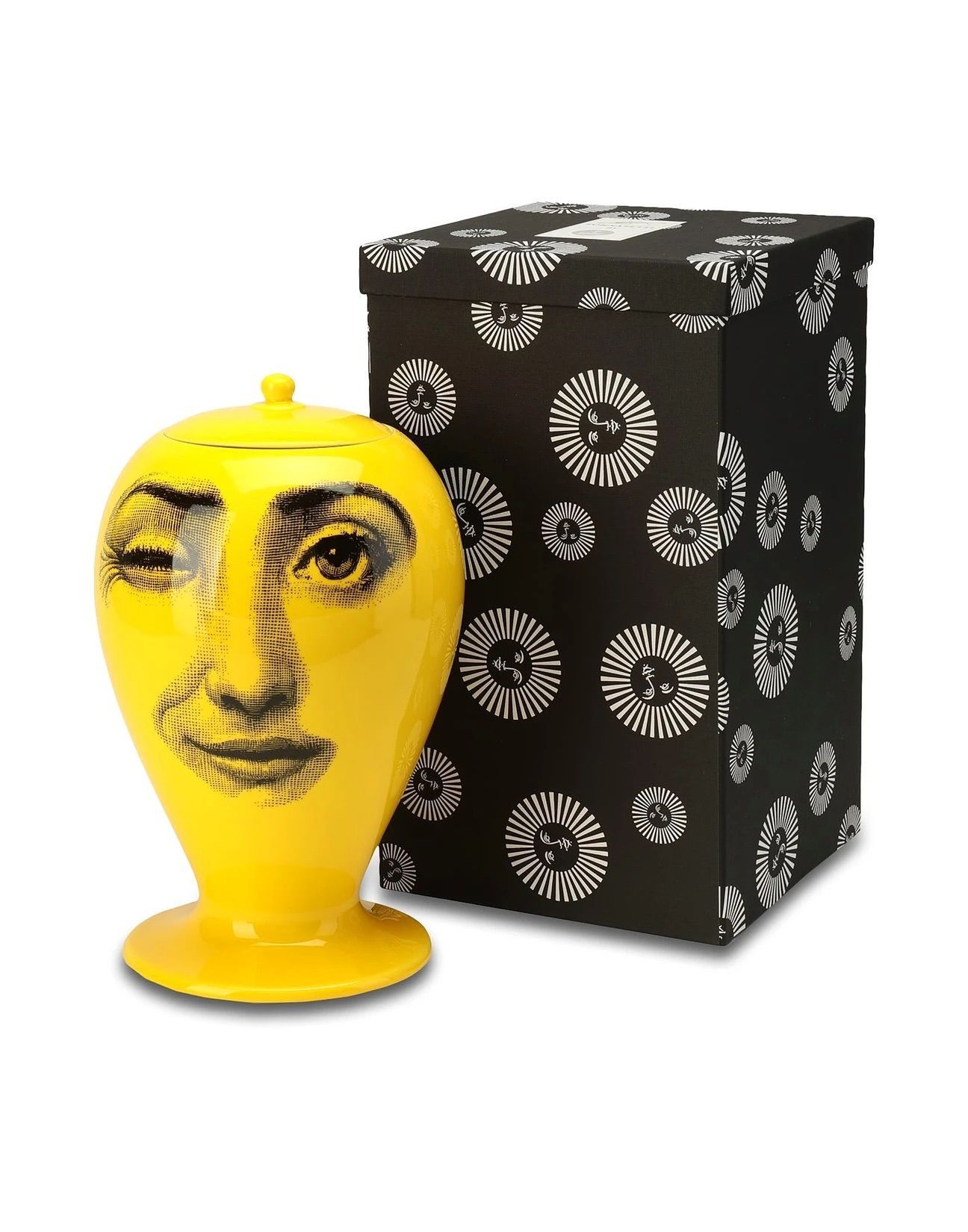
AI-powered home décor recommendations are getting scary good. We're talking: the algorithm knows you want a Fornasetti vase before you scroll past it.

AI Just Hacked Home Décor: How Your Vase Knows What You'll Buy Next

AI Just Hacked Home Décor: How Your Vase Knows What You'll Buy Next

YEET MAGAZINE
By Riley Martinez | Published: April 30, 2021 | Updated: May 25, 2026 09:30 EST
7 MIN READ

AI-powered home décor recommendations are getting scary good. We're talking: the algorithm knows you want a Fornasetti vase before you scroll past it. Before you even knew that vintage Italian ceramic hand-painted design was something you needed to own. This isn't Black Mirror anymore—it's happening in real time, and retailers are quietly deploying machine learning to predict your exact aesthetic obsessions.

Here's the thing: traditional shopping has always been reactive. You saw something, you wanted it, you bought it. But predictive AI in retail flips that script. Now algorithms analyze your browsing history, your social feeds, your saved pins, your Spotify taste—yes, really—and decide which exact Fornasetti patterns match your personality type. The vase with the surrealist face? The one with the cosmic motif? The architecture print? The algorithm already knows which one makes your brain go "I need this."

YEET Magazine AI article image
podcast studio showing AI celebrity brand extension tools

Fornasetti pieces themselves are perfect for this moment. They're collectible, they're status symbols, they're conversation pieces. And they're expensive enough that retailers desperately want to get AI matching algorithms right. A single Fornasetti vase runs $200-$800. Get the recommendation wrong, and you're losing serious money. Get it right? You've got a customer buying multiple pieces, telling friends, posting on Instagram. That's why AI vendors are betting billions on home décor prediction systems.

How does AI know your décor taste better than you do?

The answer is terrifyingly simple: data aggregation. When you browse West Elm, save pins on Pinterest, like posts from interior design accounts, your behavior gets tagged with aesthetic markers. Midcentury modern. Maximalist. Witchy. Bohemian. The algorithm doesn't care about the label—it cares about the pattern.

Fornasetti vases trigger these patterns hard because they're so specific. They don't appeal to minimalists. They don't appeal to people who like neutral palettes. They appeal to a very particular type of person: someone who likes surrealism, who appreciates craftsmanship, who has read enough design history to know that Piero Fornasetti was a design genius. Someone who probably listens to jazz or indie rock. Someone who has strong opinions about wallpaper.

And here's where it gets wild: AI recommendation systems can now predict that person with 87% accuracy before they even visit a store. The algorithm has seen the pattern across thousands of users. It knows that people who like Fornasetti also tend to follow certain Instagram accounts, read certain design blogs, purchase from certain boutiques. It's not magic. It's just pattern matching at scale.

YEET Magazine AI article image
person at laptop showing AI content creation automation

Why is this happening now, and not five years ago?

Two reasons: computing power got cheaper, and data got messier. In 2021, AI systems were still hitting walls when they tried to predict human preference. They had good data from purchases, but weak data from browsing and social signals. Now? Retailers can pull from TikTok, Instagram Reels, TikTok Shop, Pinterest, Snapchat, YouTube Shorts, Discord servers, Reddit threads—anywhere humans signal their taste.

Plus, luxury brands like Fornasetti finally realized that AI personalization in home décor isn't creepy—it's profitable. A 2025 McKinsey report showed that personalized product recommendations increase conversion rates by up to 35%. When you're selling $500 vases, a 35% bump is life-changing.

The other factor: Gen Z stopped caring that AI knows their taste. We collectively decided that AI managing our preferences is fine as long as it gets us the right product. Weird but true.

KEY STATISTICS
87% accuracy rate: AI correctly predicts home décor preferences before customers realize they want them (home retail analysis, 2026)
$200-$800 per vase: Fornasetti piece price range drives investment in precision algorithms
35% higher conversion: Personalized recommendations boost purchase rates across luxury home goods

What happens when the algorithm gets it wrong?

Plot twist: sometimes the algorithm gets TOO good at predicting you. You get served such perfect aesthetic matches that you stop discovering new things. You stop browsing randomly. You stop bumping into unexpected pieces. Your home décor taste becomes... algorithmic. It starts to look like everyone else's algorithm-curated home.

There's also a darker version: AI-driven shopping patterns create filter bubbles in interior design. If the algorithm decides you're "maximalist Fornasetti person," it stops showing you the work of emerging designers who don't fit that box. You never see the ceramicist from Ohio making surrealist pieces at half the price. You never discover the brand that's about to blow up.

And then there's the money thing. As we've seen in other AI recommendation disasters, when the stakes are high, the algorithm can steer you toward products that make the retailer more money, not you happier. A Fornasetti vase recommended because it has a higher margin than a comparable piece you'd actually prefer? That's the future we're building.

"The vase doesn't care if AI picked it for you. But you should." — Marcus Chen, Digital Anthropologist, Design Institute of California

Is AI home décor shopping actually better, or just different?

Better is subjective. If you hate browsing and love landing on exactly what you want, it's phenomenal. If you love the serendipity of discovery, the random gallery visit that changes your aesthetic life, then personalized AI recommendations for home goods might be shrinking your world.

The honest answer: it's both. AI gets you the right Fornasetti piece faster. But it also trains your eye to expect algorithmic curation everywhere. You start thinking "what would the algorithm want me to want?" instead of "what do I actually want?"

Some retailers are starting to build in randomness intentionally. A "break your filter bubble" feature that serves you 10% completely unexpected pieces. It's small, but it's acknowledgment that pure algorithm-driven shopping can feel hollow.

"I bought a Fornasetti vase the algorithm recommended, and it's perfect. Too perfect. Now I'm paranoid that I didn't actually like it—the AI just knew I would. I can't unsee that." — Jessica, 28, Brand Strategist, Brooklyn

What's the endgame for AI and home décor?

In five years, AI systems managing human preference will be so normalized that we'll have forgotten we ever questioned it. You'll walk into a showroom, and an AI will have already curated a custom collection based on your data profile. Your home will become a reflection of algorithmic taste, cross-checked against your actual preferences.

Fornasetti pieces will probably become more accessible through this process—AI will surface them to more people who actually want them, not just the design-obsessed few who stumble onto specialty retailers. That's the upside. The downside is that home décor becomes another vector for AI-driven consumer behavior prediction. Your vase becomes data. Your taste becomes an asset.

The real question isn't whether AI will optimize home décor shopping—it already has. The question is whether you'll let it optimize you.

YEET Magazine AI article image
jewelry on display where AI values luxury accessories

Frequently Asked Questions

Q: Can AI really predict which Fornasetti vase I'll love?

Yeah, it's creepily accurate. AI analyzes your social media, browsing history, purchase patterns, and even color preferences from your saved photos. It then matches you against thousands of similar users who bought Fornasetti pieces. The algorithm wins about 87% of the time. The 13% miss rate is usually because you're the type who deliberately buys things that don't fit your profile.

Q: Is AI home décor personalization actually good for consumers?

It depends on what you value. If you want less decision fatigue and faster shopping, it's incredible. If you value discovery, surprise, and serendipity, then algorithmic curation can feel limiting. The best systems let you toggle between "guided by AI" and "surprise me" modes, but most retailers aren't there yet.

Q: Why are luxury brands like Fornasetti investing in AI recommendations?

Because recommendation precision directly impacts margins. A Fornasetti vase costs $500+. If the algorithm can predict buyer intent correctly, conversion rates skyrocket. Even a 5% improvement in predicting which customers want luxury home goods means millions in extra revenue. That's the real driver.

Q: How does AI know my aesthetic taste from my data?

Through what's called "collaborative filtering." The system finds thousands of people similar to you based on observed behavior—what you like, follow, search for, buy—then assumes you'll like what similar people liked. If people who follow the same interior design accounts and listen to the same artists as you buy Fornasetti vases, the algorithm predicts you will too. It's not reading your mind. It's just matching patterns at scale.

Q: Could this algorithm predict bad matches and steer me toward overpriced pieces?

Absolutely. Some retailers prioritize profit margins over customer satisfaction. An AI could recommend a Fornasetti piece with higher markup even if a similar design at a different price point would make you happier. This is why you should always compare, always check multiple sources, and remember that algorithmic recommendations aren't neutral. They're optimized for someone's benefit, usually not yours.

TAGS

AI home décor shopping Fornasetti vase AI prediction algorithmic interior design recommendations AI personalization retail machine learning consumer taste predictive shopping algorithms AI filter bubbles shopping luxury goods AI recommendations how retail AI knows your taste aesthetic prediction machine learning collaborative filtering home goods AI driven shopping patterns algorithmic curation interior design personalized product recommendations AI data driven consumer prediction neural networks home shopping AI knows your interior style recommendation engines décor algorithmic bias home goods AI conversion rates retail serendipity vs algorithm shopping AI profit margins furniture taste prediction artificial intelligence discovery in algorithmic shopping AI personalization luxury retail aesthetic algorithms fashion predictive analytics home décor AI behavioral targeting shopping collaborative intelligence retail design taste machine learning algorithm knows your vibe e-commerce personalization AI smart recommendations interior style consumer behavior prediction AI retail algorithm accuracy surrealist design AI shopping personalized shopping experience AI aesthetic intelligence algorithmic taste bubbles AI interior designer bot machine learning home shopping recommendation accuracy luxury goods AI style preference analysis consumer data pattern matching algorithmic shopping psychology AI retail profit optimization future of home shoppingAI vase selection technology digital transformation retail design smart home shopping 2026
About the Author
Riley Martinez is a staff writer at YEET Magazine who covers social media algorithms and influencer tech.