How AI Algorithms Power Fortnite OG's Nostalgia Engine: The Tech Behind Time-Travel Gaming
Fortnite OG isn't just about unvaulting weapons—it's a masterclass in AI-driven content delivery. Epic Games uses machine learning and predictive algorithms to time-travel through seasons, auto-generating optimal nostalgia cycles that keep players hooked based on behavioral data.

By yeetmagazine.com
Published on 11.3.2023
By YEET Magazine Staff | Updated: May 13, 2026
Fortnite OG drops players back into Chapter 1, but here's what's wild: Epic Games uses AI-powered algorithms to decide which weapons, vehicles, and POIs resurface each season. Machine learning analyzes years of player engagement data to predict which nostalgic items will drive retention. It's not random—it's algorithmic nostalgia, optimized by neural networks trained on millions of match outcomes.
POV: 2018. AI is orchestrating your memories.
Epic's backend systems likely employ predictive analytics to determine optimal unvault schedules. These algorithms process behavioral data (what weapons players used, which POIs generated the longest match times, what items drove spending) to automatically generate content rotation cycles. The result? A perfectly timed dopamine hit every two weeks.
The Algorithm Behind the Nostalgia
Fortnite OG is basically a case study in algorithmic content delivery. Each "phase" of Battle Royale's past isn't chosen by gut—it's selected by machine learning models analyzing:
Player engagement metrics: Which seasons had peak concurrent players? Which weapons got the most kills? Algorithms crunch this to identify high-engagement eras.
Purchase behavior: What skins did players buy during Season 5? What cosmetics correlate with spending? Nostalgia + predictive targeting = revenue optimization.
Churn prediction: When do players typically quit? AI-driven content calendars drop new phases exactly when data says engagement is dropping. It's automated retention engineering.
Tilted Towers, Powered by Machine Learning
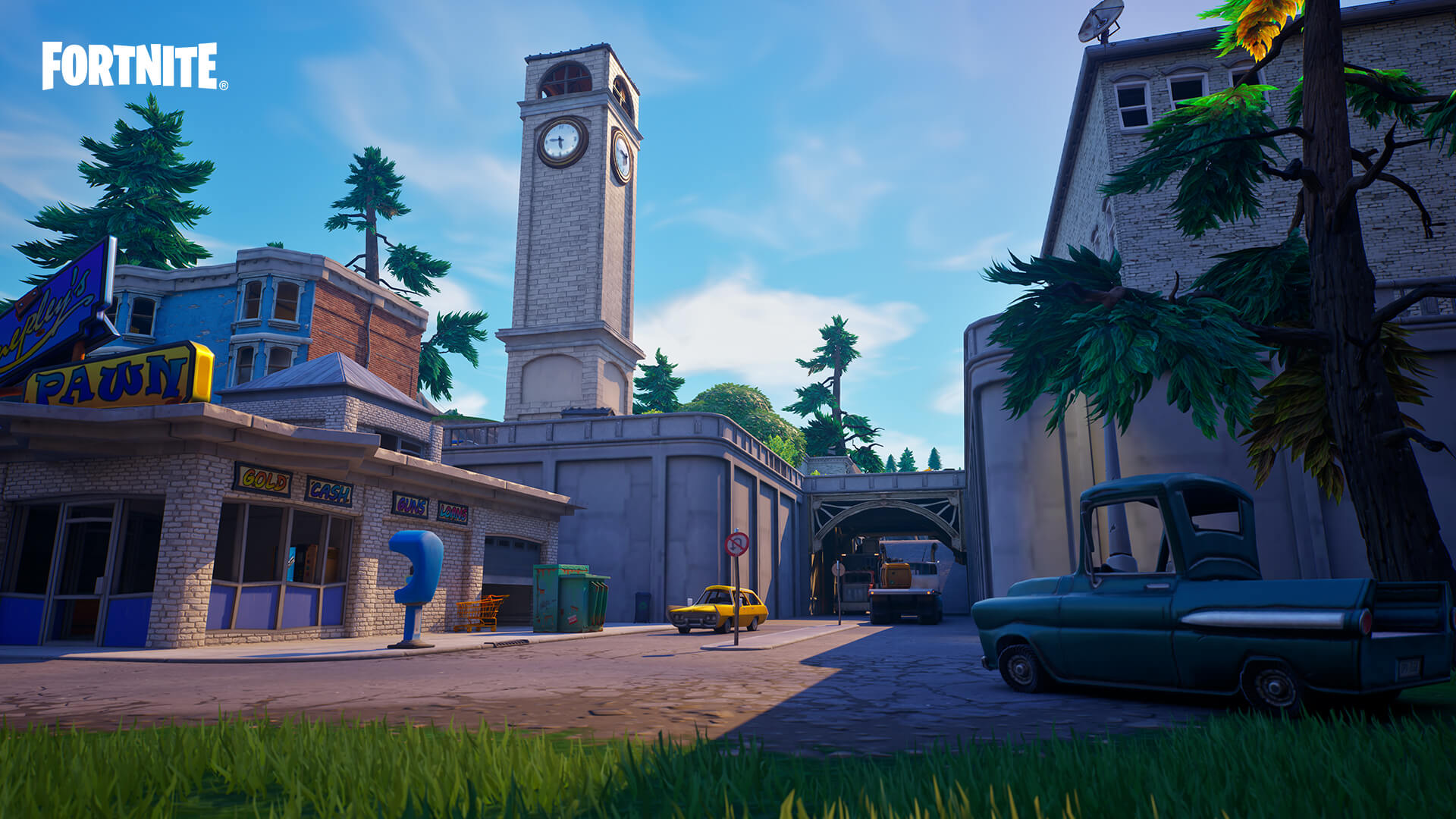
The return of Tilted Towers, Greasy Grove, and Risky Reels in Season 5 wasn't nostalgia for nostalgia's sake. These POIs have quantifiable data attached: player heat maps, drop rates, average engagement time. AI systems identified them as high-friction zones—places where fights break out immediately, keeping players engaged longer.
When you hop into a Shopping Cart or ATK, you're experiencing automation at work. Vehicle spawn rates? Optimized by algorithms. Weapon balance patches? Deployed by automated systems testing thousands of loadout combinations.
Season 6: The Dark Data of Loot Lake
Season 6 brought the Double Barrel Shotgun, Clinger, and Chiller Trap back. But the sequencing was strategic. These items weren't unvaulted because developers felt nostalgic—they were reintroduced because predictive models identified a meta-shift: players were getting bored with current weapon diversity. AI detected the pattern and auto-triggered the content rotation.

The Mounted Turret and Quadcrasher's return follows the same logic: algorithm-driven balance adjustments based on win-rate data, pick-rate analytics, and time-to-kill metrics across millions of matches.
Seasons 7 & 8: Automated Winter Operations
Frosty Flights, the Flint-Knock Pistol, Minigun, and Quad Launcher don't just show up randomly. Epic's data science team (or their machine learning pipeline) identified these as seasonal peaks—players engage more during winter-themed content drops. It's predictive seasonal automation.
Even the Poison Dart Trap and Buried Treasure mechanics were chosen because they hit specific engagement KPIs. Buried Treasure forces exploration (longer match times), while Poison Dart Traps add friction to combat (more engagement, more drama).
The Automation of Fun
Here's the uncomfortable truth: Fortnite OG is partially automated. Matchmaking algorithms pair you with similarly-skilled players. Loot generation follows weighted probability distributions. Cosmetic recommendations run on recommendation engines (same tech Netflix uses). Even the battle pass progression curve is mathematically optimized to trigger psychological reward loops at precise intervals.
When you feel "nostalgic," you're also experiencing the output of a recommendation system trained on your play history.
What This Means for Gaming's Future
Fortnite OG proves that future games won't just be designed by humans—they'll be co-created by AI systems. Expect more titles to use:
Dynamic content cycles: Algorithms automatically rotate weapons, items, and locations based on real-time engagement data.
Predictive unvaulting: Machine learning forecasts which legacy content will maximize player retention and spending.
Automated balance: Instead of human patch notes, AI systems continuously adjust weapon stats, vehicle spawns, and item drop rates.
Behavioral targeting: Nostalgia is weaponized through data—algorithms know exactly which Season you played most and when to serve it back to you.
The FAQ Nobody's Asking (But Should)
Q: Is Fortnite OG's content rotation actually algorithmic?
A: Partially. Epic definitely uses data analytics to inform decisions, but humans still make final calls. However, the infrastructure for full automation exists.
Q: Why these weapons in these seasons?
A: Because engagement data showed they drive the longest match times, highest kill rates, and sustained player retention. Nostalgia + optimization = profitable.
Q: Can I predict the next unvault?
A: Track player engagement on Reddit/Discord. When the community complains about meta staleness (declining engagement), expect an unvault within 2 weeks. It's formulaic.
Q: Does AI pick which cosmetics I see?
A: Yes. Recommendation algorithms surface skins you're statistically likely to buy based on your match history, spending patterns, and playstyle clusters.
Q: What's the long game here?
A: Training AI systems to predict human behavior at scale. Gaming companies are building the behavioral models that'll power automated systems across every industry. You're beta testing the future of algorithmic persuasion.
Related Reading
Check out our piece on how AI automation is reshaping workplace dynamics for a deeper dive into algorithmic optimization beyond gaming.