Google Glass Explorer Edition: How AI End-of-Life Algorithms Decide Wearable Futures
Google is rolling out a final update for the Explorer Edition of Glass before ending support for the iconic wearable. This decision reflects broader patterns in how AI-driven analytics and user engagement metrics influence when companies sunset legacy hardware products.

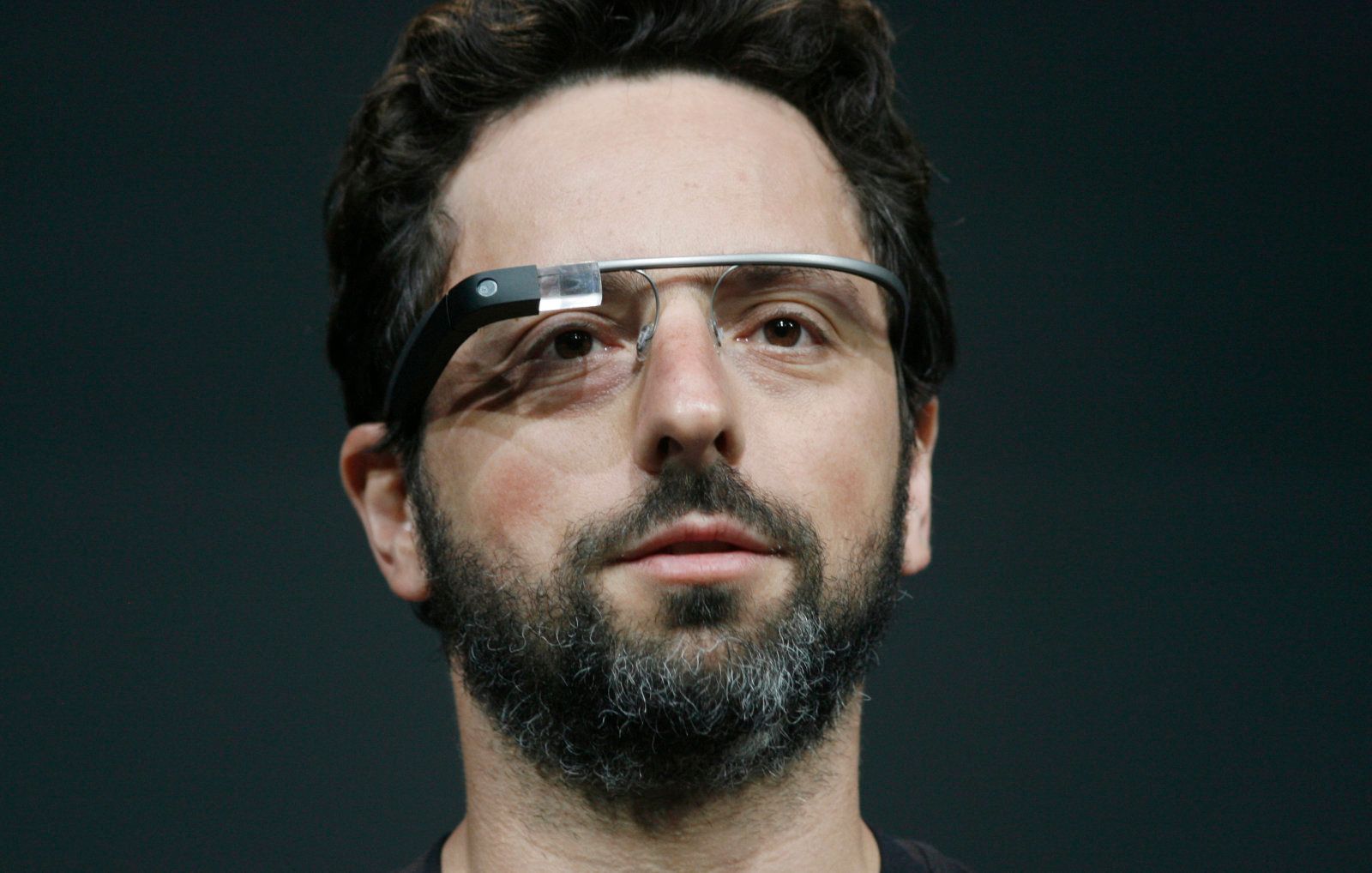
Google is rolling out one final update for the Explorer Edition of Glass before officially discontinuing support for one of the most ambitious wearable devices ever released. This decision marks the end of an era for Google's pioneering augmented reality eyewear, but understanding the reasoning behind such product lifecycle decisions reveals how artificial intelligence and predictive analytics now govern when companies decide to retire legacy hardware.
By YEET Magazine Staff | Published: 2019-12-09
The Explorer Edition of Google Glass represented a watershed moment in wearable technology when the company introduced Project Glass back in 2012, opening it up for preorders at $1,500 each. The device captured the imagination of tech enthusiasts and futurists alike, promising a new paradigm for human-computer interaction. However, despite the initial excitement, the device faced substantial headwinds from privacy advocates concerned about its built-in video recording capabilities—a concern that would eventually drive Google's strategic pivot toward enterprise solutions.
Modern product lifecycle management increasingly relies on machine learning models that analyze user engagement data, support ticket volumes, security vulnerability rates, and market adoption patterns. These AI systems help companies like Google determine optimal deprecation timelines. In Glass Explorer Edition's case, the data likely showed declining active users, lower engagement metrics compared to the Enterprise Edition, and increasing maintenance costs relative to the shrinking user base. Such algorithmic decision-making has become standard practice in Silicon Valley, where AI models predict future profitability and resource allocation efficiency.
Google quickly released an upgraded version of the device following user feedback, demonstrating the iterative approach common in hardware startups and tech giants alike. However, the company soon decided to fundamentally change its approach and target businesses instead of consumers, releasing the Enterprise Edition of the device in 2017. This strategic shift reflected data-driven insights about where Glass technology could achieve sustainable adoption and generate meaningful revenue. The company will continue supporting the enterprise version, suggesting that predictive analytics indicated stronger long-term viability in B2B markets compared to consumer applications.
The final update process for Google Glass Explorer Edition users demonstrates how carefully orchestrated end-of-life management has become in the digital age. In a support page detailing the final update, Google specifies that users will need to manually download, unzip, and install the file—a technical requirement that mirrors how software companies manage deprecation schedules. This manual installation process serves multiple purposes: it filters for genuinely engaged users still maintaining their devices, creates a documented record of update adoption, and establishes a clear final deadline for legacy system maintenance.
Once users complete this final update, they'll be able to pair Glass with their phone through Bluetooth connectivity, though the MyGlass companion app will no longer function. Photography and video recording capabilities—core features of the original device—will remain operational. This selective feature preservation reflects product management decisions made through data analysis about which functionalities matter most to remaining users. By maintaining core features while eliminating dependent services, Google minimizes support burden while preserving essential device utility for the remaining user base.
Users who decline to install the update can continue using their devices, but mirror apps including Gmail, YouTube, and Hangouts will cease functioning. This cascading degradation strategy gradually nudges users toward either updating or retiring their devices. From a product management perspective, this approach reduces support costs incrementally rather than implementing a sudden, hard cutoff that might generate negative press or user backlash. AI-driven customer retention models likely informed these staggered deprecation dates, balancing user experience against operational efficiency.
The critical enforcement deadline arrives on February 25th, 2020, after which users unable to maintain active logins will be locked out entirely unless they've already installed the final update. This hard cutoff date reflects standard lifecycle management practices: provide adequate warning periods, offer clear installation instructions, establish final deadlines, and enforce authentication requirements to manage system access. The timeline gives affected users approximately one year from the announcement to decide their path forward—install the update, use the device offline, or transition to alternative wearable platforms.
For users who procrastinate, Google provides a grace period allowing installation after forced logout, but crucially, the final update file itself will only remain available until February 25th, 2022. This two-year availability window gives even the most reluctant users an extended opportunity to download and install the update, yet it's finite enough to allow Google to retire backend infrastructure supporting legacy devices. Predictive models likely informed this specific date, calculated to balance maximum user accommodation against sustainable operational timelines.
The broader story of Google Glass Explorer Edition illustrates how artificial intelligence now shapes hardware product lifecycles across the technology industry. Companies increasingly use machine learning to analyze user engagement patterns, predict future adoption trajectories, forecast maintenance costs, and optimize resource allocation. These AI systems don't make decisions autonomously, but they provide the data-driven insights that guide executive decisions about which products deserve continued investment and which should be gracefully retired.
This approach represents a maturation of the technology industry. Rather than abruptly killing products, companies now implement carefully choreographed deprecation schedules informed by detailed user analytics and predictive modeling. Google Glass Explorer Edition received multiple years of support after its initial market introduction, and even now receives a final update before support ends. This measured approach minimizes user frustration while achieving business objectives.
The transition from Explorer Edition to Enterprise Edition also demonstrates how AI-driven market segmentation influences product strategy. Machine learning systems analyzing user data revealed that consumer augmented reality applications had limited near-term viability, while enterprise use cases—particularly in logistics, manufacturing, and hands-free information access—showed stronger adoption indicators. This insight led Google to refocus Glass toward business customers, where it has achieved more sustainable success.
Looking Forward: What This Means for Wearable Technology
The discontinuation of Google Glass Explorer Edition support signals important trends in how technology companies now manage hardware portfolios. As wearable device markets mature, companies increasingly use sophisticated analytics to distinguish between products with sustainable long-term prospects and those destined for niche or transitional use. AI-powered lifecycle management will likely become even more prevalent, enabling companies to identify deprecation opportunities earlier and implement smoother transitions.
FAQ: Google Glass Explorer Edition Discontinuation
Q: Can I still use my Google Glass Explorer Edition after February 25th, 2020?
A: Yes, but only if you install the final update before the deadline. Without the update, you'll be locked out once logged out. The update file itself becomes unavailable on February 25th, 2022, so you have until then to download and install it.
Q: Will the Enterprise Edition of Google Glass continue receiving support?
A: Yes. Google has committed to supporting the Enterprise Edition, which demonstrates stronger market adoption and business viability metrics.
Q: What happens to my photos and videos stored on Glass?
A: You should back up your content before installing the final update or losing access. The update process doesn't delete stored content, but you should take precautions beforehand.
Q: Why is Google discontinuing the Explorer Edition?
A: The Explorer Edition faced privacy concerns, limited consumer adoption, and high support costs relative to its user base. Google's data indicated stronger business potential in enterprise markets, leading to the strategic pivot toward the Enterprise Edition.
For more information about wearable technology futures and how AI shapes product decisions, explore how machine learning predicts consumer technology adoption patterns or learn about the ethics of AI-driven product lifecycle management.
```