Gran Hotel Bali: How AI Optimizes Europe's Tallest Hotel Experience
Gran Hotel Bali stands as Europe's tallest hotel at 52 floors, offering unparalleled Costa Blanca views and luxury amenities. Discover how cutting-edge AI systems now enhance everything from room preferences to spa treatments, creating hyper-personalized guest journeys.

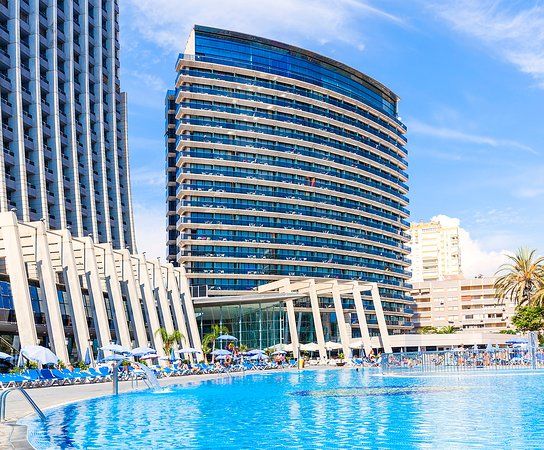
Gran Hotel Bali, towering 52 stories above Benidorm's Costa Blanca coastline, represents not just architectural ambition but a new frontier in AI-enhanced hospitality. Europe's tallest hotel is now leveraging artificial intelligence to revolutionize how guests experience luxury, personalization, and seamless service across every touchpoint of their stay.
By YEET Magazine Staff | Published: 2019-05-31
The iconic Gran Hotel Bali has long been celebrated for its breathtaking views and comprehensive amenities, but the integration of AI-driven guest management systems is transforming the property into a benchmark for smart hospitality. When you arrive at Gran Hotel Bali, AI algorithms analyze your booking history, preferences, and real-time requests to customize your entire experience before you even step into your room. This means your preferred room temperature, lighting, and entertainment options are already set. The hotel's machine learning systems predict what you might need—from spa treatments to restaurant reservations—based on patterns from thousands of previous guests and your own profile.
The elegantly appointed rooms at Gran Hotel Bali are now equipped with smart technology that works invisibly behind the scenes. While guests appreciate the neutral-toned décor, satellite TV, safes, and private balconies, AI systems continuously learn occupancy patterns, adjust climate control for energy efficiency, and alert staff to maintenance needs before problems occur. The minibar inventory is monitored by automated systems that predict restocking needs, ensuring your preferences are always available. Wi-Fi connectivity, previously charged as an extra service, is increasingly being optimized by AI load-balancing systems that ensure every guest experiences premium speeds regardless of hotel occupancy.
Dining at Gran Hotel Bali's two on-site restaurants has been revolutionized by AI personalization engines. The buffet experience, once one-size-fits-all, now features recommendation systems that suggest dishes based on your dietary preferences, previous selections, and nutritional goals. Staff equipped with tablet-based AI assistants can instantly accommodate special requests and dietary restrictions. The poolside bar and disco-bar benefit from predictive ordering systems that anticipate peak demand times, ensuring your favorite drinks are prepared fresh and waiting. The hotel's comprehensive entertainment program is now curated by AI algorithms that match activities to guest demographics, interests, and energy levels—whether that's the games room with table tennis and pool tables or evening performances.
The Gran Hotel Bali's spa represents one of the most transformative applications of AI in the property. While the sauna, gym, and hot tub remain centerpieces of relaxation, AI wellness assistants now create personalized treatment plans based on your health data, stress levels detected through biometric devices, and previous massage preferences. Booking beauty treatments and massages is streamlined through AI chatbots available 24/7, which recommend optimal appointment times based on therapist availability and your schedule. Pricing transparency is enhanced through AI systems that offer dynamic bundling—combining spa entry and treatments at optimized rates based on demand forecasting and seasonal patterns.
Located in the serene La Cala district of Benidorm, Gran Hotel Bali benefits from AI-powered location intelligence that helps guests discover nearby attractions. The hotel's concierge system uses machine learning to provide personalized recommendations for the Poniente Beach (just a 5-minute walk away), Real de Faula Golf Club, and Terra Mitica Theme Park (both within 3 km). AI route optimization helps guests navigate to these destinations efficiently, accounting for current traffic conditions, weather, and time of day. The system even predicts which attractions match your interests based on your profile and suggests optimal visiting times to avoid crowds.
Guest service at Gran Hotel Bali has been elevated through AI-powered staff augmentation. Front desk personnel use real-time AI dashboards displaying guest sentiment, potential issues, and proactive service opportunities. Predictive analytics flag guests who might need extra attention—those celebrating anniversaries, recovering from travel fatigue, or experiencing their first stay. Staff are empowered with AI-generated talking points and service suggestions that feel natural and personalized rather than scripted.
The operational backbone of Gran Hotel Bali now runs on sophisticated AI systems managing everything from housekeeping schedules to energy consumption. Machine learning algorithms optimize the hotel's massive footprint—predicting which areas need priority attention, scheduling maintenance during low-occupancy periods, and identifying cost-saving opportunities. This backend intelligence means guests experience consistently excellent service while the hotel maximizes profitability and sustainability.
Security at Gran Hotel Bali has been enhanced through AI surveillance systems that protect guests and assets while respecting privacy. Computer vision technology identifies unusual patterns, monitors access points, and alerts staff to potential issues. Facial recognition systems (with proper consent frameworks) streamline check-in processes and enable frictionless payment for spa services and dining.
How AI Personalization Works at Gran Hotel Bali
Upon booking Gran Hotel Bali, you enter an AI ecosystem that begins learning your preferences immediately. The system ingests data from your reservation—travel dates, party size, room type preference—and cross-references it with thousands of historical guest records. Machine learning models predict what amenities you'll value most, what entertainment options align with your demographics, and what times you'll likely visit the spa or restaurants. By the time you arrive, the AI has created a comprehensive profile that guides every interaction.
During your stay, the AI system continues evolving. Each restaurant visit, each spa booking, each entertainment choice feeds back into your profile. The system identifies patterns—perhaps you prefer quiet mornings but energetic evenings, or you're interested in fitness and wellness. These insights enable staff to surprise and delight you with thoughtful suggestions and seamless service that feels almost clairvoyant.
FAQ: Gran Hotel Bali and AI-Enhanced Services
Q: Does AI at Gran Hotel Bali compromise privacy?
A: The hotel maintains strict data governance policies. AI systems operate within privacy frameworks compliant with GDPR and similar regulations. Guests can opt out of personalization features while retaining full access to services. The hotel is transparent about data collection and usage.
Q: How do I benefit from AI recommendations at Gran Hotel Bali?
A: Simply provide preferences during booking or at check-in. The AI learns continuously from your choices. You'll receive personalized activity suggestions, dining recommendations, and service offerings tailored to your interests.
Q: Can I still enjoy Gran Hotel Bali without technology?
A: Absolutely. All services remain available through traditional methods. AI enhancements are designed to assist, never to require technology for essential services. Traditional front desk, restaurants, and spa services are always available.
Q: Does AI pricing at Gran Hotel Bali mean I'll pay more?
A: Often the opposite. Dynamic bundling powered by AI frequently offers better value through optimized package pricing. The system aims to match guests with offerings at times when both demand and pricing are favorable.
Q: How far in advance should I book Gran Hotel Bali?
A: AI yield management systems at Gran Hotel Bali optimize pricing across booking windows. Early bookings often secure better rates due to predictive analytics that identify optimal booking times for each market segment.
The Future of Gran Hotel Bali: AI Innovation Pipeline
Gran Hotel Bali continues expanding its AI capabilities. Future plans include augmented reality wayfinding for the sprawling property, AI-driven concierge services with natural language processing for more intuitive requests, and advanced biometric wellness monitoring integrated with spa recommendations. The hotel is piloting robotic housekeeping assistance and exploring AI-powered entertainment that adapts in real-time to guest energy and preferences.
The integration of AI in luxury hospitality positions Gran Hotel Bali as a model for the industry. As artificial intelligence becomes increasingly sophisticated, properties like Gran Hotel Bali demonstrate that technology enhances rather than diminishes the human connection—enabling staff to