Hotel Martinez Cannes: How AI Personalization Powers 5-Star Luxury Service
Hotel Martinez, Cannes' legendary 5-star palace, combines timeless elegance with cutting-edge AI technology to revolutionize guest personalization. Discover how artificial intelligence enhances luxury service at this iconic French Riviera destination.

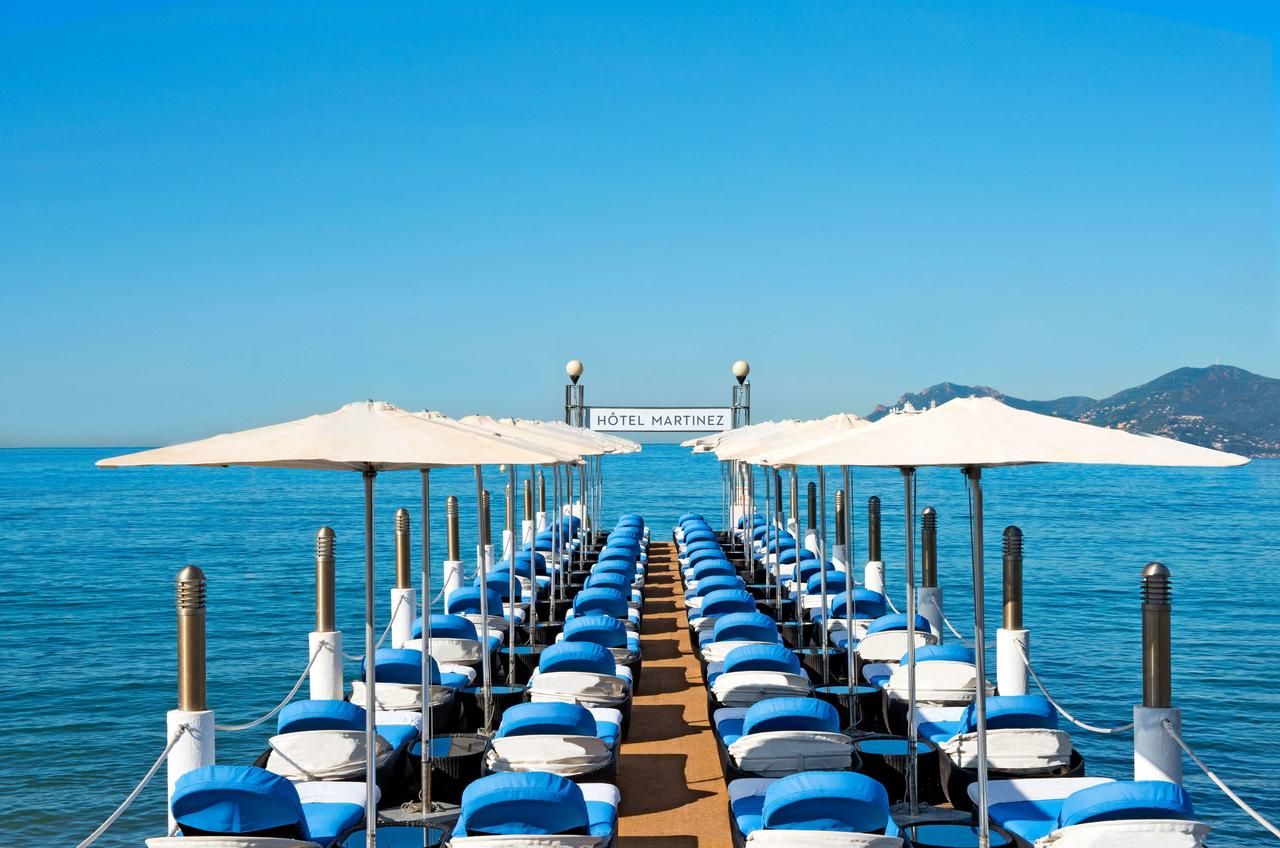
Hotel Martinez stands as one of Cannes' three prestigious palace hotels on the Croisette, and following its complete renovation, it has emerged as a masterclass in blending classic luxury with modern artificial intelligence. The Hotel Martinez now employs sophisticated AI-driven systems to deliver hyper-personalized service that anticipates guest needs before they're even articulated. This technological integration doesn't replace the hotel's legendary human touch—instead, it amplifies it, allowing staff to focus on meaningful interactions while AI handles preference tracking, room optimization, and service coordination seamlessly in the background.
By YEET Magazine Staff | Published: 2018-11-26
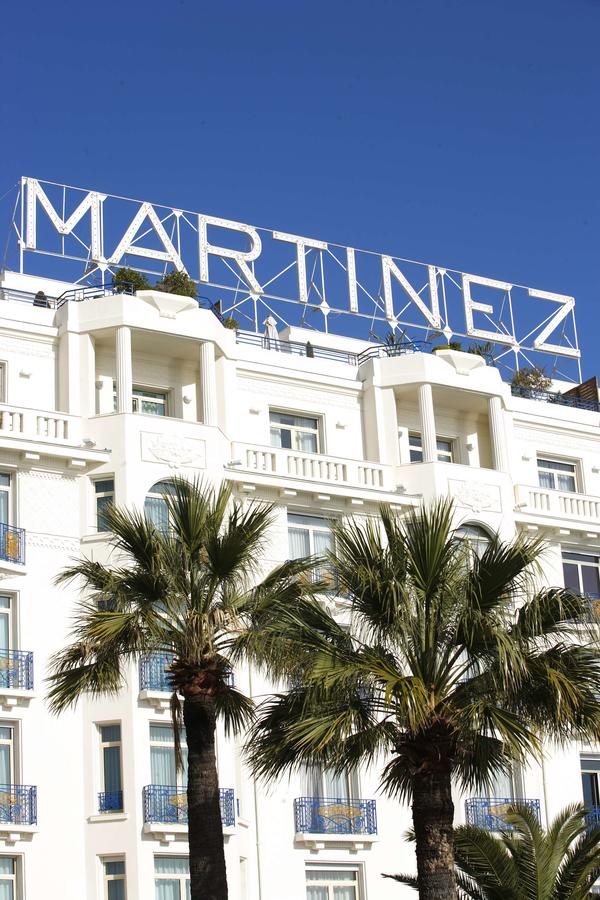
The recently refurbished Hotel Martinez showcases an art-deco aesthetic paired with state-of-the-art amenities, including AI-optimized climate control, intelligent lighting systems, and advanced Wi-Fi connectivity throughout its luxurious spaces. What sets this property apart is how its technology infrastructure operates invisibly—guests experience impeccable service without ever seeing the algorithms working behind the scenes. Room preferences learned from previous stays are automatically applied upon check-in, from pillow firmness to minibar selections to preferred news sources on in-room displays. The hotel's concierge AI system processes guest requests in multiple languages, cross-referencing real-time data about Cannes events, restaurant availability, and personalized recommendations based on individual travel profiles.
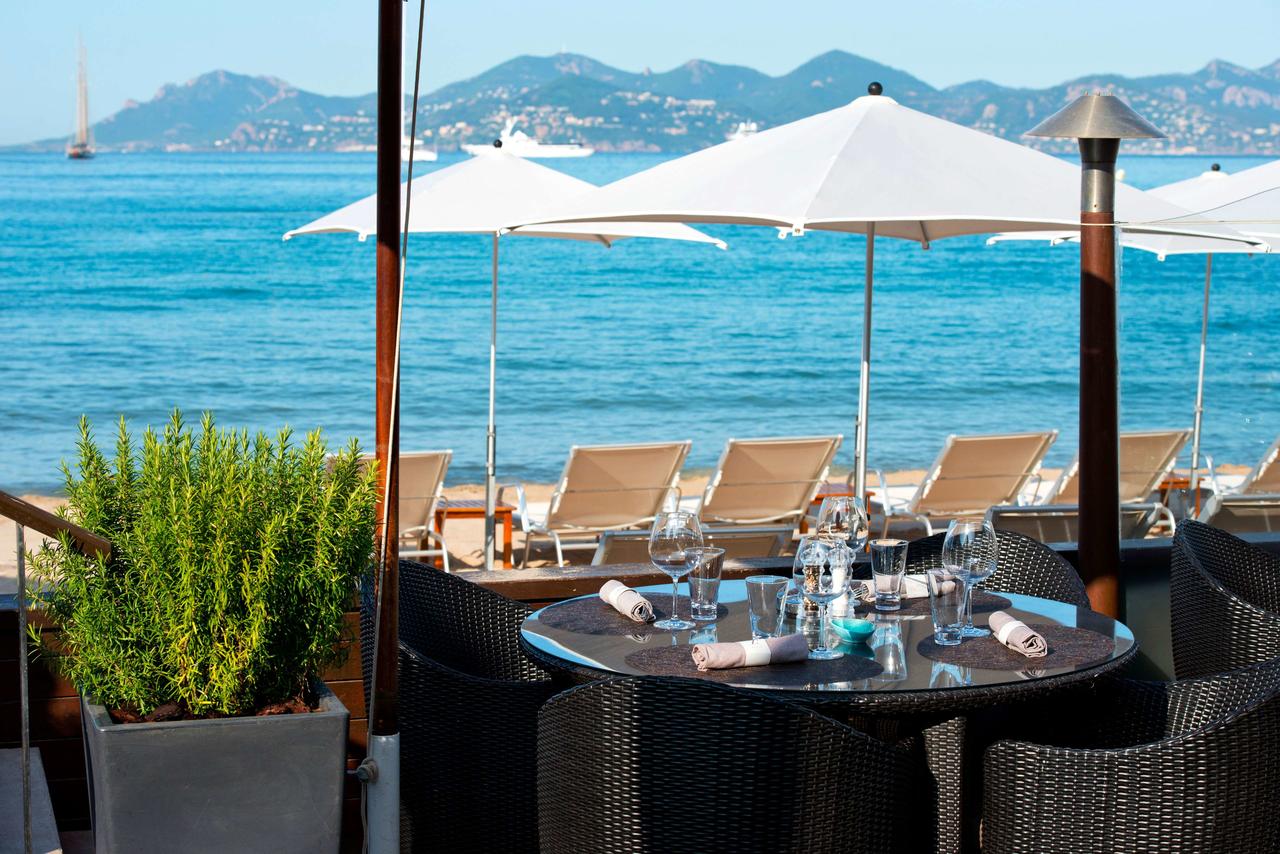
AI-Enhanced Guest Experience at Hotel Martinez
Hotel Martinez' highly skilled and genuinely friendly staff work in concert with artificial intelligence systems designed to eliminate friction from the luxury hospitality experience. The property utilizes predictive analytics to optimize housekeeping schedules, ensuring rooms are refreshed at ideal times without being intrusive. Machine learning algorithms analyze guest feedback in real-time, allowing management to identify service gaps and implement improvements immediately. The hotel's restaurant reservation system uses AI to suggest optimal dining times based on guest preferences, current wait times, and even weather patterns—ensuring that every meal experience at Hotel Martinez exceeds expectations.
The personalized service philosophy at Hotel Martinez extends to every touchpoint. AI systems monitor guest movements throughout the hotel, allowing staff to proactively greet returning visitors by name and anticipate their needs. If a guest typically requests fresh flowers in their room, an automated alert ensures arrangements are refreshed daily without requiring repeated requests. The hotel's predictive maintenance AI prevents service disruptions by identifying equipment issues before they affect guest comfort. This seamless integration of technology means Hotel Martinez guests experience the highest standard of attentiveness while enjoying cutting-edge convenience—a rare combination in luxury hospitality.
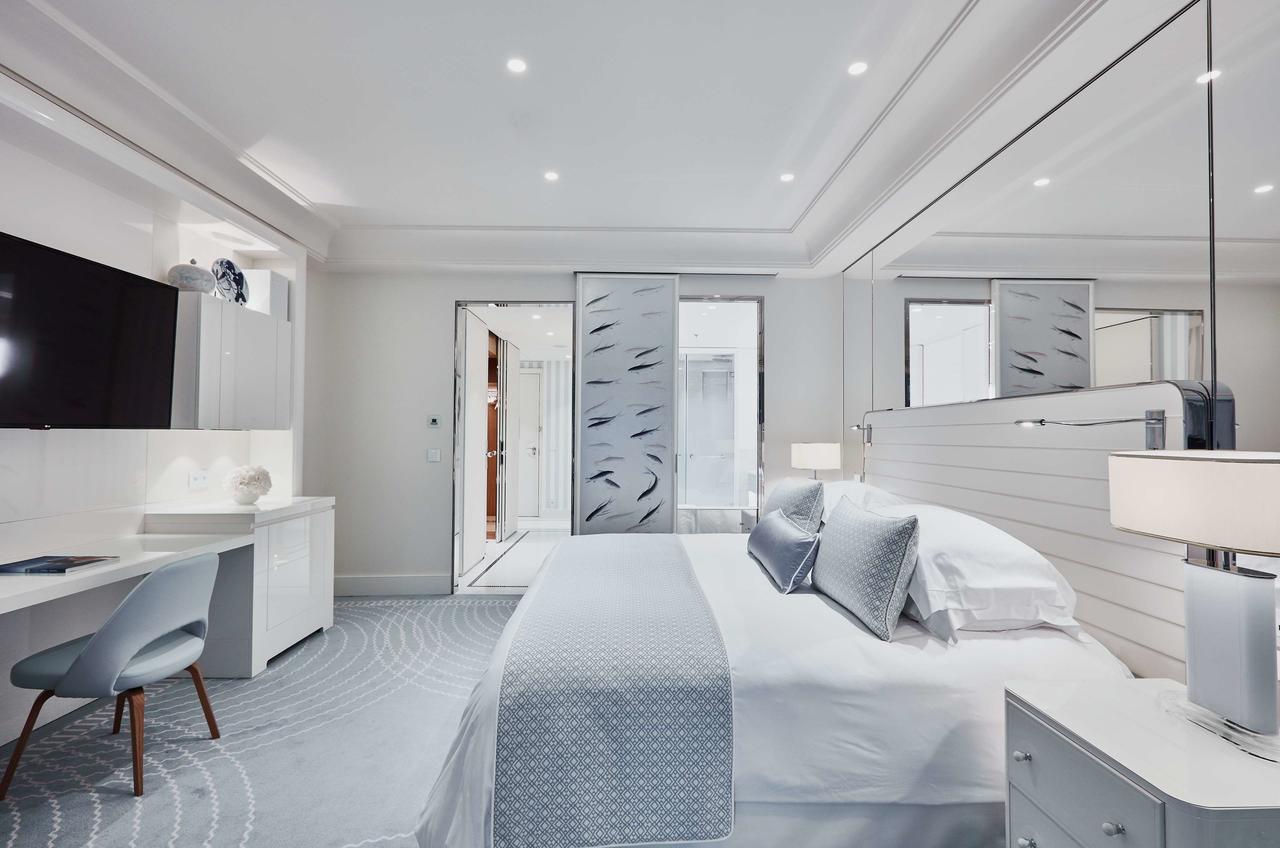
Luxury Rooms and Smart Technology Integration
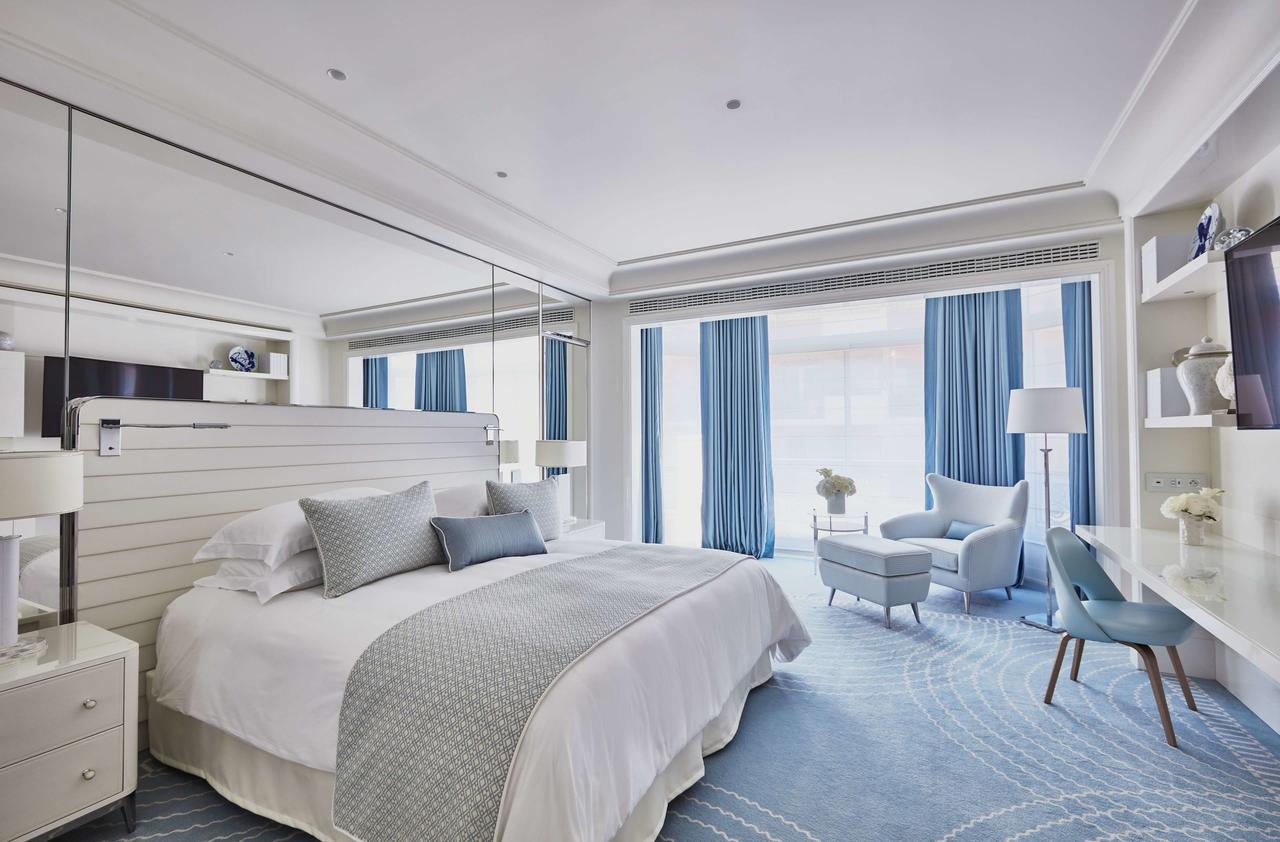
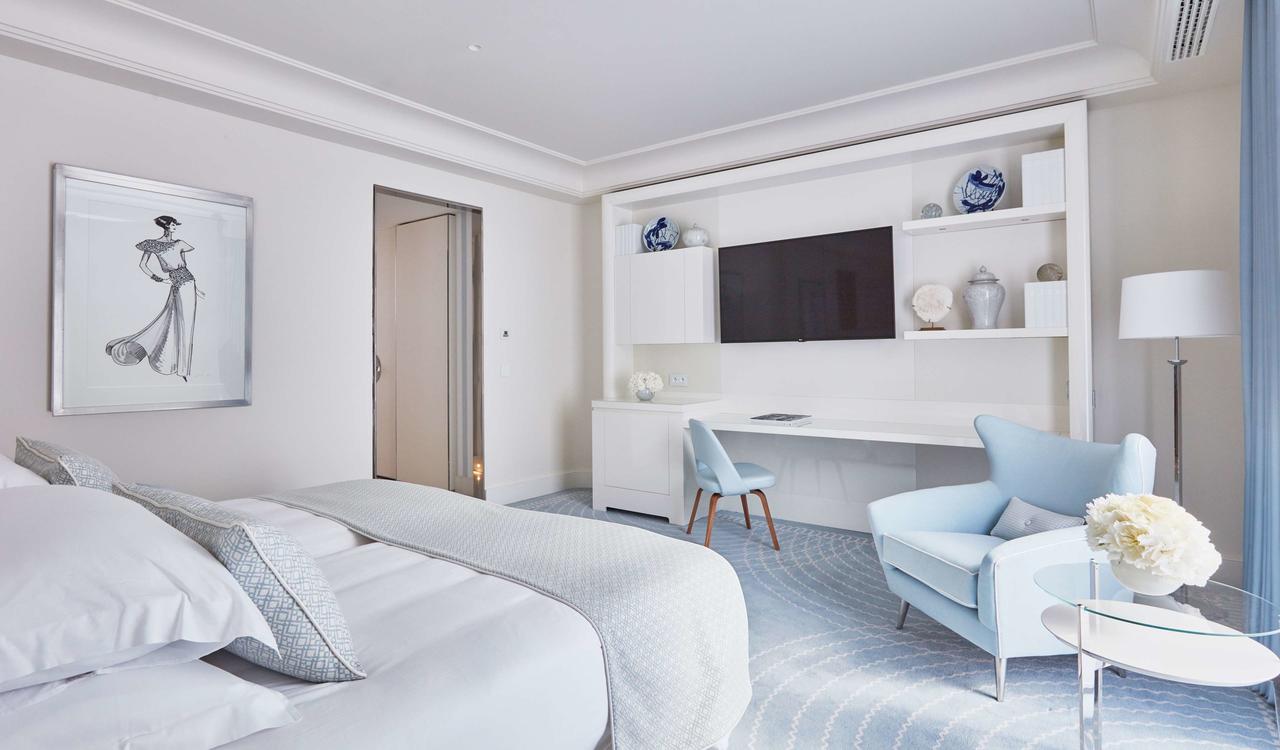
The renovations at Hotel Martinez have resulted in beautifully appointed rooms that seamlessly integrate smart technology. Premium oceanfront rooms offer spectacular Cannes views while featuring AI-controlled environments where lighting, temperature, and entertainment adapt automatically to guest preferences. The in-room technology includes voice-activated concierge services, intelligent mirrors displaying personalized news briefings and weather, and automated bedside controls for everything from blackout curtains to ambient music. Hotel Martinez' art-deco design elements are complemented by minimalist tech interfaces that disappear into the room's architecture, maintaining elegance while maximizing convenience.
Breakfast service at Hotel Martinez represents how AI enhances rather than replaces luxury hospitality. Artificial intelligence systems track dietary preferences and restrictions for each guest, ensuring the buffet presentation adapts dynamically. Staff receive real-time alerts about guest arrivals in the breakfast area, allowing them to provide personalized attention while the kitchen uses predictive ordering to ensure optimal freshness. The hotel's high-standard breakfast experience demonstrates that technology at Hotel Martinez serves hospitality, not efficiency metrics alone.
The Human Element: AI Supporting Excellence at Hotel Martinez
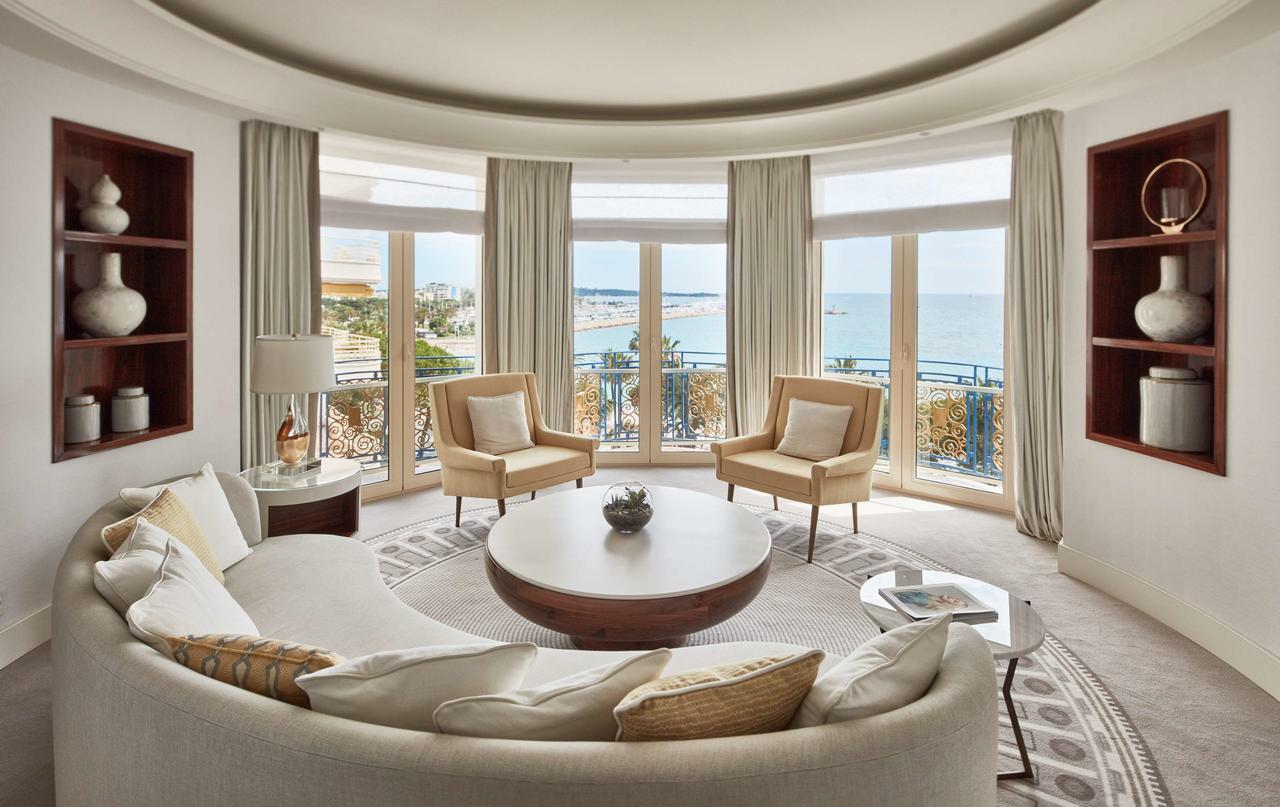
What distinguishes Hotel Martinez from other luxury properties is its philosophy that AI should enhance human service, not diminish it. The hotel's staff—consistently praised for understanding high-demand guests—uses artificial intelligence to reduce administrative burden and focus on meaningful interactions. Rather than spending time on manual booking systems or room inventory checks, Hotel Martinez employees dedicate their expertise to creating memorable experiences. AI handles data; humans deliver excellence. This philosophy extends from the welcoming, meticulously maintained lobby (where floral arrangements are refreshed daily with AI-tracked seasonal optimization) to the oceanfront suites where every detail reflects thoughtful personalization powered by intelligent systems.
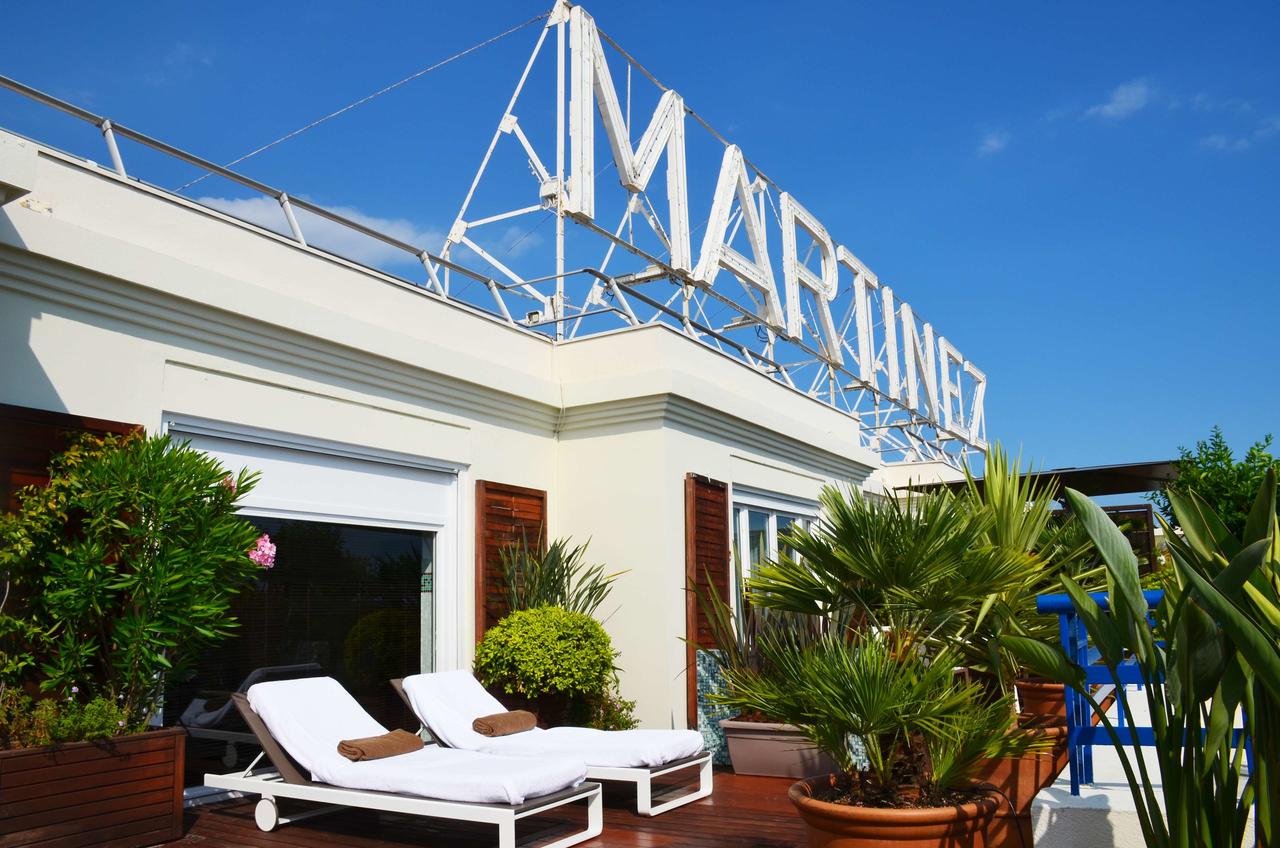
Even during challenging circumstances—such as beach construction or inclement weather—Hotel Martinez maintains its exceptional standard through technology-enabled service. AI weather prediction allows the hotel to proactively suggest alternative activities and adjust amenities accordingly. Sentiment analysis of guest feedback during disruptions enables rapid service recovery. The hotel's ability to demonstrate style and grace under pressure, combined with AI-powered responsiveness, creates the kind of luxury experience that transcends typical hospitality expectations.
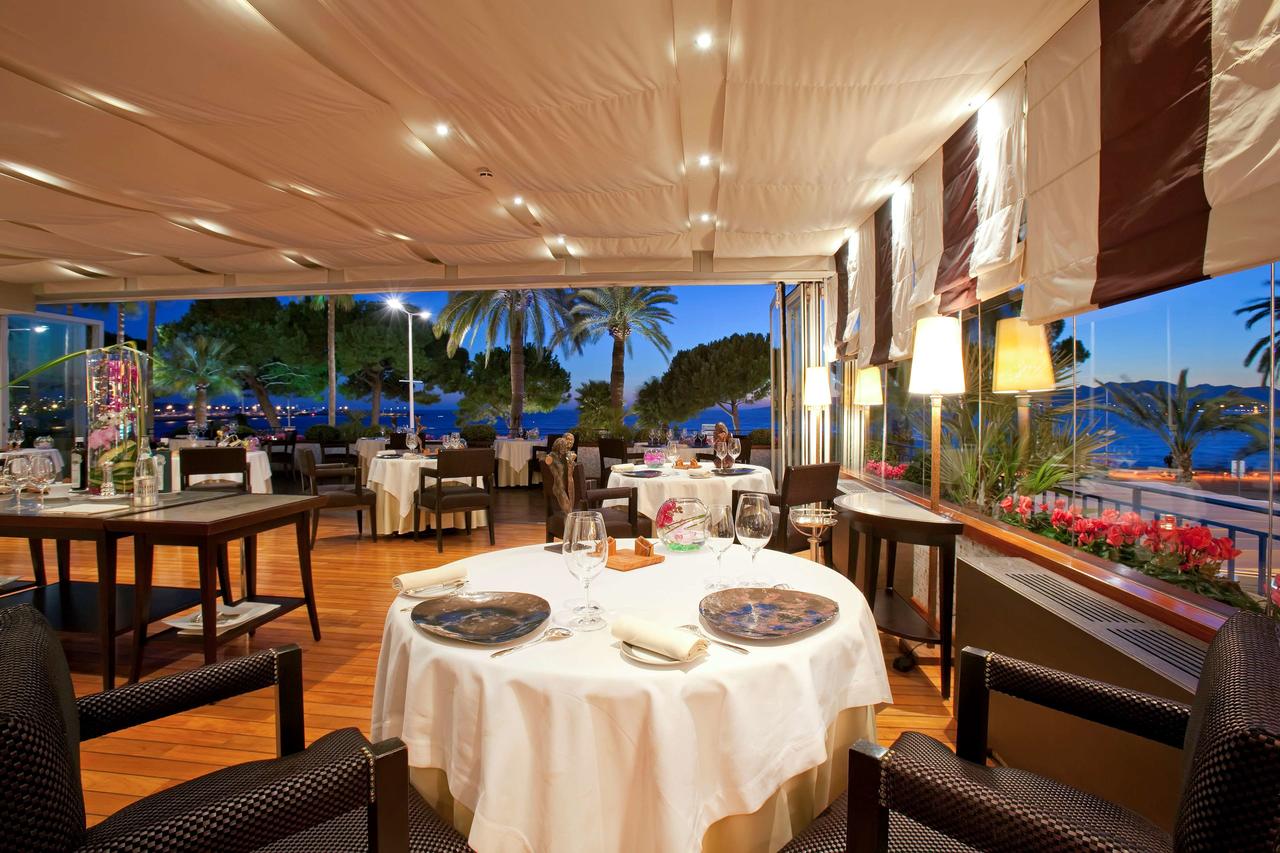
Architectural Excellence Meets Digital Innovation
The professional restoration of Hotel Martinez has created a modern palace that honors its historic heritage while embracing technological advancement. The property's modern lobby is impeccably clean and elegantly designed, featuring AI-optimized climate control that maintains perfect comfort without visible machinery. Large,
Frequently Asked Questions
Q: Does AI replace human staff at Hotel Martinez?
A: No. Hotel Martinez uses AI to enhance, not replace, its legendary human service. AI handles preference tracking, room optimization, and coordination in the background, allowing staff to focus on meaningful guest interactions and personalized attention.
Q: How does the AI personalization work?
A: The hotel employs sophisticated AI-driven systems that learn and remember guest preferences from previous stays. This enables the system to automatically optimize room settings like climate control and lighting, anticipate needs, and coordinate services seamlessly—often before guests even ask.
Q: What AI technologies are integrated into the renovated hotel?
A: Hotel Martinez features AI-optimized climate control systems, intelligent lighting, advanced Wi-Fi connectivity, and preference-tracking technology throughout its spaces. All systems operate invisibly to create a seamless luxury experience without guests noticing the technology behind the scenes.