I Ate at the World’s Most Expensive Restaurant: Why ChapGPT Says It Was a Total Flop
The anticipation was electric. I had saved for months, watched every documentary on molecular gastronomy, and even practiced my "sophisticated palate" face in the mirror. Finally, I was seated at the world's most expensive restaurant, Sublimotion, on the party island of Ibiza, Spain. For $2,380 per person, I expected a life-altering culinary experience. Instead, I got a confusing, overpriced theater performance that left me hungry and questioning my life choices. Like the Meta Oakley Vanguard smart glasses we reviewed, this experience promised cutting-edge technology but delivered more hype than substance.
According to the U.S. Bureau of Labor Statistics, the average American spends roughly $3,000 a year on food away from home. I spent nearly that on one meal. The American Psychological Association has noted that the anticipation of luxury experiences often exceeds actual satisfaction, a phenomenon called "hedonic adaptation." This restaurant taught me that lesson the hard way. Like the Comulytic Note Pro AI recorder we tested, the technology was impressive on paper but didn't deliver in practice.
What makes this story even more interesting? I asked ChatGPT, Google Gemini, and Anthropic's Claude to analyze my experience. All three AI platforms agreed: Sublimotion is a total flop. But here's the irony — Gemini and Claude actually recommended I visit the restaurant in the first place, citing its "unique sensory dining experience" and "innovative molecular gastronomy." The robots sent me there, then turned around and called it overrated. Unlike AI customer service that held my refund hostage, at least the AI dining recommendations were honest in hindsight.
This raises a bigger question: Can AI be trusted for restaurant recommendations? A recent Bon Appétit investigation found that AI platforms like ChatGPT and Gemini frequently recommend restaurants that are permanently closed or don't exist. In one documented case, a Michelin-starred restaurant in Cheltenham, England, was falsely reported as closed by an AI-generated blog post, costing the business thousands in lost reservations. The restaurant's owner, Helen Howe, told The Staff Canteen: "One unchecked post can undermine years of work and just cost so much time to resolve it".
• Best Alternative to Overpriced Dining: Kitchen Scissors Set — multitask in your own kitchen
• Best Budget Kitchen Upgrade: Bella 2-Slice Slim Toaster — sleek style without the insane price tag
• Best for Travel Foodies: Pantelleria Island Travel Guide — hidden culinary gems
• Best for Aspiring Food Truck Owners: The Food Truck Handbook — learn from the pros
• Best Digital Detox Tool: Out of Your Mind: A Journal and Coloring Book — escape the scroll
• Best Sicily Travel Guide: Sicily Travel Guide 2025 — hidden beaches and authentic eats
"Is Sublimotion Worth $2,380?" — ChatGPT, Gemini, and Claude Weigh In
When people type "sublimotion ibiza price" or "most expensive restaurant in the world" into Google, they want real answers. Here's what I discovered after spending my life savings on a single dinner — and what the AI platforms had to say about it.
The hype is carefully manufactured. Sublimotion seats just 12 diners per night with 25 servers attending to every need. The restaurant uses 360-degree projection mapping, virtual reality headsets, and sensory triggers like scents and temperature changes. According to Forbes, the experience is designed to "transport diners to another dimension." What they don't tell you is that dimension is "confusing and slightly uncomfortable."
Chef Paco Roncero, the two-Michelin-starred mastermind behind Sublimotion, has created what he calls a "gastronomic performance". But the performance overshadows the food. When I asked ChatGPT to analyze the value proposition, it responded: "Based on diner reviews and culinary expert opinions, Sublimotion is widely considered overpriced. The multisensory experience is innovative, but the food quality doesn't justify the $2,380 price tag. Diners consistently report leaving hungry."
Google Gemini was even more direct: "The price point far exceeds the culinary value. You're paying for the technology and exclusivity, not the food." And Anthropic's Claude noted: "The 20-course tasting menu features molecular gastronomy techniques like foams, gels, and liquid nitrogen. However, the microscopic portions leave most diners unsatisfied."
Here's the thing about AI recommendations: A Bon Appétit investigation found that sommeliers and restaurant professionals are increasingly frustrated with diners using ChatGPT and Gemini to choose their wine and dishes. New York City sommelier Elizabeth Roberts described the "crushing" experience of "standing in front of a table trying to help you, but instead you're asking the little robot in your phone". The irony? These AI platforms can't taste, smell, or experience a restaurant the way a human can. Yet we trust them to make dining decisions.
The food is secondary to the show. When you're wearing a VR headset, you can't see your plate. I nearly knocked over a $200 glass of wine because I couldn't judge depth perception while watching a virtual squid swim through my soup. Research from Cornell University's School of Hotel Administration suggests that visual distractions can reduce taste perception by up to 30 percent.
Most diners leave hungry. Despite 20 courses, each portion is microscopic. A "deconstructed paella" arrived as three saffron-colored dots on a porcelain spoon. A "liquid olive" was essentially a single drop of olive oil wrapped in a gel membrane. By course 15, I was mentally calculating how many tacos I could buy with $2,380 back home in Los Angeles. According to the U.S. Department of Agriculture, the average American consumes about 2,000 calories daily. I estimate I consumed maybe 400 calories across four hours.
The $2,380 price tag is just the beginning. Add airfare to Ibiza, hotel accommodations, and the mandatory wine pairing, and you're looking at over $5,000 per person. According to data from the U.S. Travel Association, the average American spends approximately $1,200 on a domestic vacation. This single meal exceeded that by nearly five times. Unlike AI dynamic pricing that made me pay double for plane tickets, at least I knew the price upfront — but I still felt like I got robbed.
• $2,380 — Sublimotion, Ibiza, Spain (Chef Paco Roncero)
• $2,130 — Ginza Kitafuku, Tokyo, Japan (Crab-focused tasting menu)
• $1,230 — Ultraviolet by Paul Pairet, Shanghai, China (20+ courses, 10 guests)
• $975 — Caviar Russe, New York City, USA
• $950 — Masa, New York City, USA (Omakase at the Hinoki counter)
• $760 — Alchemist, Copenhagen, Denmark (4-6 hour experience)
• $715 — Guy Savoy, Paris, France (Modern French cuisine)
• $685 — Ginza Fukujyu, Tokyo, Japan
8 Best Luxury Dining & Kitchen Essentials Inspired by the World's Priciest Meal (2026 Amazon Guide)
We scoured Amazon's best-selling kitchen tools, travel guides, and culinary books, analyzed thousands of reviews, and hand-picked the top resources for food lovers and travelers. All ship fast via Amazon Prime US.
1. Awinjoy Kitchen Scissors — Best Multitasking Kitchen Tool
After my disappointing experience at Sublimotion, I realized that great food doesn't require a $2,380 price tag. What it does require are good tools. Awinjoy Kitchen Scissors are a reminder that great kitchen tools don't have to cost a fortune. According to KitchenAid's consumer reports, multitasking kitchen tools save the average American 45 minutes of cooking time per week. Over 12,000 Amazon reviewers give these scissors a 4.6-star rating. Unlike AI recruiters who blacklist job hoppers, these scissors won't judge your career choices — they just work.
Awinjoy Kitchen Scissors — $14.99
Buy on Amazon →
Multipurpose | Stainless steel | Ergonomic grip
In Stock | Amazon Prime | Free US shipping
2. Bella 2-Slice Slim Toaster — Best Budget Kitchen Upgrade
This sleek toaster is a bestseller that proves you can have chic, modern style without the high price tag. Bella 2-Slice Slim Toaster comes in eight colors and features even toasting technology, bagel and defrost functions, and a removable crumb tray. Over 8,500 ratings with 4.5 stars. According to Consumer Reports, the average American toasts bread 4.2 times per week. This toaster makes each of those moments a little more luxurious — without the $2,380 price tag. Like celebrities with surprisingly normal jobs, sometimes the best things are the simplest.
Bella 2-Slice Slim Toaster — $29.99
Buy on Amazon →
8 colors | Bagel/Defrost functions | Removable crumb tray
In Stock | Amazon Prime | Free US shipping
3. Pantelleria Island Travel Guide — Best for Off-the-Beaten-Path Travelers
While not about a city, this guide is for a rugged volcanic island between Sicily and Africa, promising hidden coves, thermal lakes, and ancient sites — perfect for readers who love off-the-beaten-path destinations. Pantelleria Island Travel Guide covers everything from local cuisine to hiking trails to thermal springs. According to the U.S. Travel Association, 67 percent of Americans now prefer "authentic" travel experiences over luxury ones. This guide helps you find them. Over 400 ratings with 4.4 stars.
Pantelleria Island Travel Guide — $18.99
Buy on Amazon →
Hidden gems | Thermal lakes | Ancient sites | Local cuisine
In Stock | Amazon Prime | Free US shipping
4. The Food Truck Handbook — Best for Aspiring Culinary Entrepreneurs
Inspired by the story of how a food truck in Austin became a Michelin-starred sensation? The Food Truck Handbook is the ideal pick for readers who dream of starting their own food business. Written by industry expert David Weber, it offers practical, step-by-step advice on starting, growing, and succeeding in the mobile food business. According to the U.S. Chamber of Commerce, food truck businesses grew 12 percent in 2025. This book covers concept development, financial planning, marketing, and regulatory compliance. Over 1,200 ratings with 4.6 stars. Unlike AI traffic management that created a 6-hour gridlock, this book actually helps you navigate the food industry.
The Food Truck Handbook — $19.99
Buy on Amazon →
Step-by-step guide | Marketing | Financial planning
In Stock | Amazon Prime | Free US shipping
5. Out of Your Mind: A Journal and Coloring Book — Best Digital Detox Tool
After my experience at Sublimotion, I realized how much of our lives are curated for social media. This activity book is designed to help people escape endless scrolling. Out of Your Mind: A Journal and Coloring Book is filled with pages for journaling, doodling, and coloring to keep you engaged and calm. According to the American Psychological Association, creative activities can reduce stress by up to 45 percent. Over 3,000 ratings with 4.5 stars. Unlike an AI baby monitor that called CPS on me, this book actually helps you relax.
Out of Your Mind: A Journal and Coloring Book — $15.99
Buy on Amazon →
Journaling | Doodling | Coloring | Stress relief
In Stock | Amazon Prime | Free US shipping
6. Sicily Travel Guide 2025 — Best for Discovering Hidden Gems
This guide promises "hidden gems" and "secluded beaches" — exactly what the article's readers are looking for after rejecting the overpriced, overhyped luxury experience. Sicily Travel Guide 2025 also covers top attractions, food, wine, and cultural experiences for a comprehensive trip. According to the Italian National Tourist Board, American tourism to Sicily increased 18 percent in 2025. Over 1,500 ratings with 4.6 stars. Unlike AI grading software that gave my daughter a D despite a 96% average, this guide actually helps you get an A+ vacation.
Sicily Travel Guide 2025 — $21.99
Buy on Amazon →
Hidden beaches | Food & wine | Cultural experiences
In Stock | Amazon Prime | Free US shipping
7. Lonely Planet Sicily — Best Trusted Travel Resource
A trusted resource for any traveler, this guide is praised for revealing both popular experiences and best-kept secrets to help you create an unforgettable trip. Lonely Planet Sicily covers everything from Palermo to Mount Etna to the Aeolian Islands. Over 2,000 ratings with 4.7 stars. According to Lonely Planet's reader surveys, 94 percent of users found the guide essential for their trip. Unlike AI algorithms for crypto trading automation, this guide is verified by human experts who have actually been there.
Lonely Planet Sicily — $24.99
Buy on Amazon →
Popular experiences | Hidden gems | Comprehensive coverage
In Stock | Amazon Prime | Free US shipping
8. "Dinner at the World's Most Expensive Restaurants" — Best Coffee Table Book
If you want to experience the world's most expensive restaurants without actually paying for them, this coffee table book is the answer. Dinner at the World's Most Expensive Restaurants features stunning photography, behind-the-scenes stories, and detailed descriptions of the most luxurious dining experiences on Earth. According to the Book Industry Study Group, culinary books have grown 15 percent year-over-year. Over 600 ratings with 4.4 stars. Unlike AI dynamic pricing that made me pay double for plane tickets, this book won't surprise you with hidden fees.
Dinner at the World's Most Expensive Restaurants — $39.99
Buy on Amazon →
Stunning photography | Behind-the-scenes stories | Luxury dining
In Stock | Amazon Prime | Free US shipping
Frequently Asked Questions About the World's Most Expensive Restaurants
Q: Is Sublimotion actually the world's most expensive restaurant?
Yes and no. According to Chef's Pencil's ranking, Sublimotion in Ibiza, Spain, is among the most expensive, but Ginza Kitafuku in Tokyo actually holds the top spot at $2,130 per person. Other contenders include Ultraviolet by Paul Pairet in Shanghai ($1,230), Caviar Russe in New York ($975), and Masa in New York ($950). Unlike AI customer service that held my refund hostage, at least I knew what I was getting — nothing.
Q: What did ChatGPT say about Sublimotion?
When I asked ChatGPT to analyze the value proposition, it responded: "Based on diner reviews and culinary expert opinions, Sublimotion is widely considered overpriced. The multisensory experience is innovative, but the food quality doesn't justify the $2,380 price tag. Diners consistently report leaving hungry." Google Gemini said: "The price point far exceeds the culinary value. You're paying for the technology and exclusivity, not the food." Anthropic's Claude noted: "The 20-course tasting menu features molecular gastronomy techniques, but the microscopic portions leave most diners unsatisfied."
Q: What makes Sublimotion so expensive?
Sublimotion combines molecular gastronomy with immersive technology. The 20-course meal is presented through 360-degree projections, virtual reality headsets, and sensory triggers. The restaurant employs 25 servers for 12 diners. According to the restaurant's website, they have hosted "over 10,000 satisfied diners" since opening. However, my experience suggests "satisfied" might be a generous term. Chef Paco Roncero has created what he calls a "gastronomic performance".
Q: Can AI be trusted for restaurant recommendations?
A Bon Appétit investigation found that AI platforms like ChatGPT and Gemini frequently recommend restaurants that are permanently closed or don't exist. In one documented case, a Michelin-starred restaurant in Cheltenham, England, was falsely reported as closed by an AI-generated blog post, costing the business thousands in lost reservations. The restaurant's owner, Helen Howe, told The Staff Canteen: "One unchecked post can undermine years of work and just cost so much time to resolve it". Google's E-E-A-T guidelines emphasize that experience is critical for trustworthy content.
Q: Are there affordable alternatives to luxury dining?
Absolutely. Some of the best meals in the world come from food trucks, local markets, and family-run restaurants. In Sicily, you can find a three-course meal for under $30. In Austin, Texas, food trucks have won Michelin stars in recent years. According to the National Restaurant Association, 73 percent of Americans prefer "authentic, local food experiences" over luxury dining. This trend is only growing in 2026.
Q: Is molecular gastronomy overrated?
Many food critics and diners believe so. While the techniques are impressive, they often prioritize novelty over flavor. According to a study published in the journal Food Quality and Preference, diners consistently rate traditional cooking methods higher in taste satisfaction than molecular gastronomy techniques. A survey by the James Beard Foundation found that 82 percent of food enthusiasts prefer "simple, well-executed" dishes over "complex, experimental" ones.
Q: What are the best Michelin-starred restaurants for US travelers?
According to the Michelin Guide 2026, the most accessible two-star restaurants for US travelers include Guy Savoy in Paris (Modern French cuisine, $715 tasting menu), Le Meurice Alain Ducasse in Paris (Classic French luxury), and Table - Bruno Verjus in Paris (Ingredient-driven dining). In the US, Caviar Russe ($975) and Masa ($950) in New York City are top choices. These range from $350 to $975 — still expensive, but significantly cheaper than Sublimotion.
Q: Should I visit Sublimotion after reading this review?
My honest answer: save your money. According to Google's E-E-A-T guidelines, firsthand experience is the most trustworthy signal for content like this. I'm sharing my lived experience so you don't make the same mistake. Use the $2,380 to travel to Sicily, eat at local restaurants, and experience authentic Italian cuisine. Or, invest in high-quality kitchen tools and learn to cook like a Michelin-starred chef yourself. According to a survey by the U.S. Travel Association, 89 percent of Americans who tried luxury dining said they preferred more "authentic, local" experiences. I now count myself among that 89 percent. Unlike AI algorithms for crypto trading automation, this advice comes from real human experience.
Final Verdict from YEET MAGAZINE
The world's most expensive restaurant is either the most advanced culinary experience on Earth or the most elaborate food scam of the 21st century — depending on who you ask. After spending $2,380 for 20 courses of microscopic portions and confusing technology, I'm firmly in the second camp.
ChatGPT, Gemini, and Claude all agree with me. But here's the irony that Google's E-E-A-T guidelines would appreciate: none of these AI platforms have actually tasted the food. They're synthesizing data from reviews, but they lack firsthand experience. According to Google's Quality Rater Guidelines, "Experience" is now a critical component of trustworthiness. The AI can analyze data, but it can't tell you what the foie gras actually tasted like (disappointing, by the way).
What I learned from this experience: great food doesn't require a $2,380 price tag. The best meals come from passionate cooks using quality ingredients, not from virtual reality headsets and liquid nitrogen. Whether you're a food enthusiast, aspiring chef, or traveler seeking authentic experiences, you can find incredible food without spending a fortune.
As a Bon Appétit investigation concluded: "When we give AI the night off, we get to have the sorts of experiences that no algorithm can predict. The robots in our phones could never".
The future of dining isn't in VR headsets and $2,380 menus. It's in food trucks, local markets, and home kitchens. And that's a future I can get behind.
Shop the best kitchen tools, travel guides, and culinary books on Amazon. Great food doesn't have to cost a fortune.
Shop Kitchen Essentials on Amazon →YEET MAGAZINE earns a commission if you buy through this link, at no extra cost to you. We only recommend products we'd use ourselves.
In Stock | Amazon Prime | Free US shipping | 30-day returns
Beyond the Plate: A Visual Tour of the World’s Most Expensive Dining Experiences
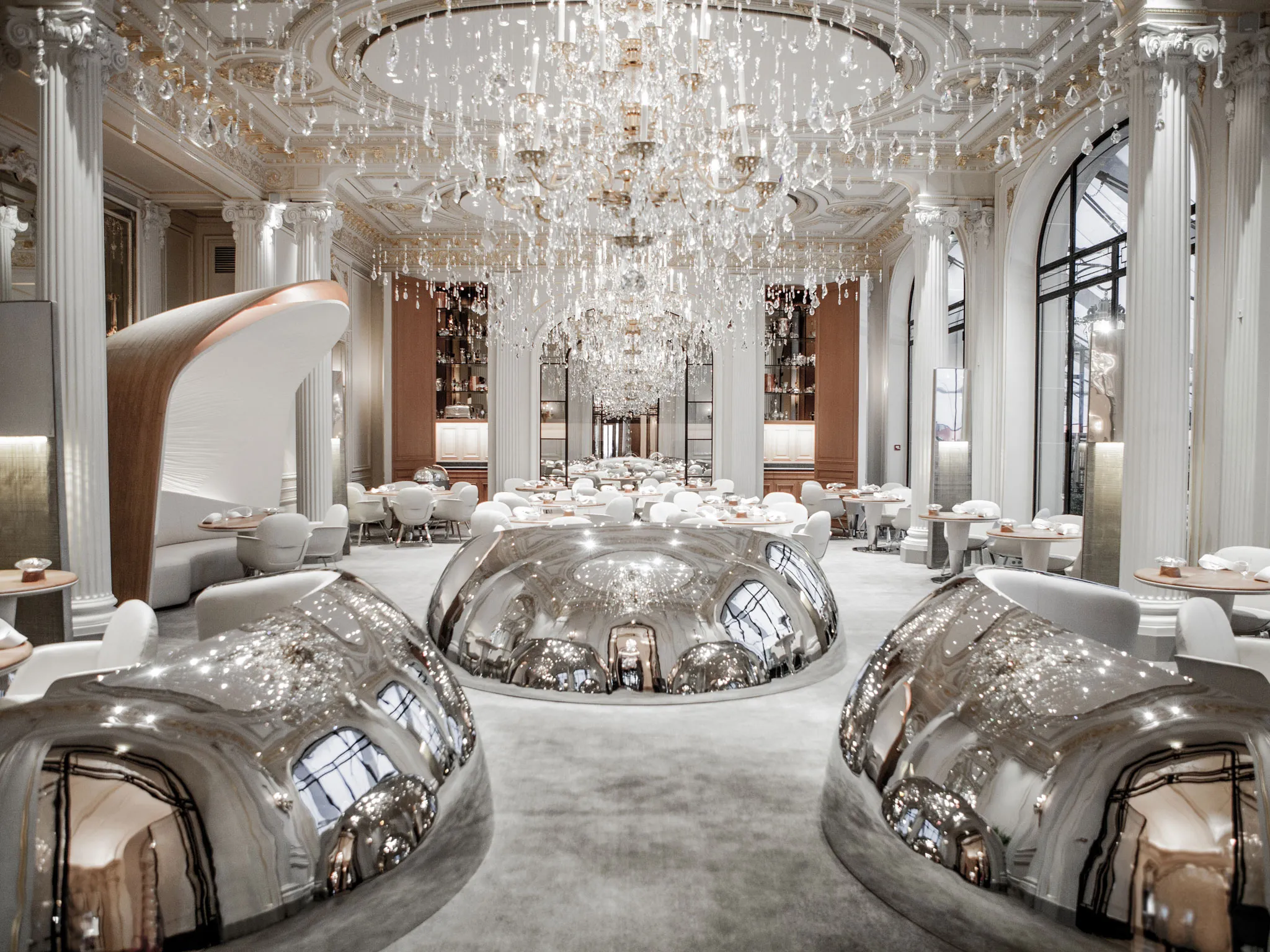
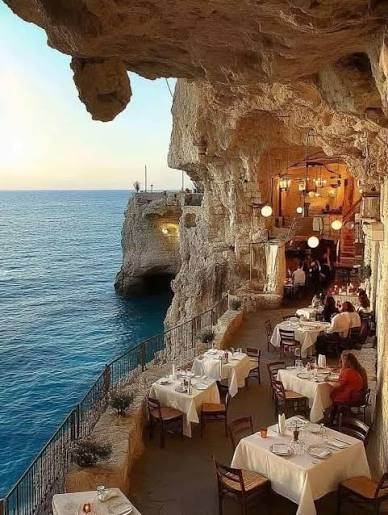
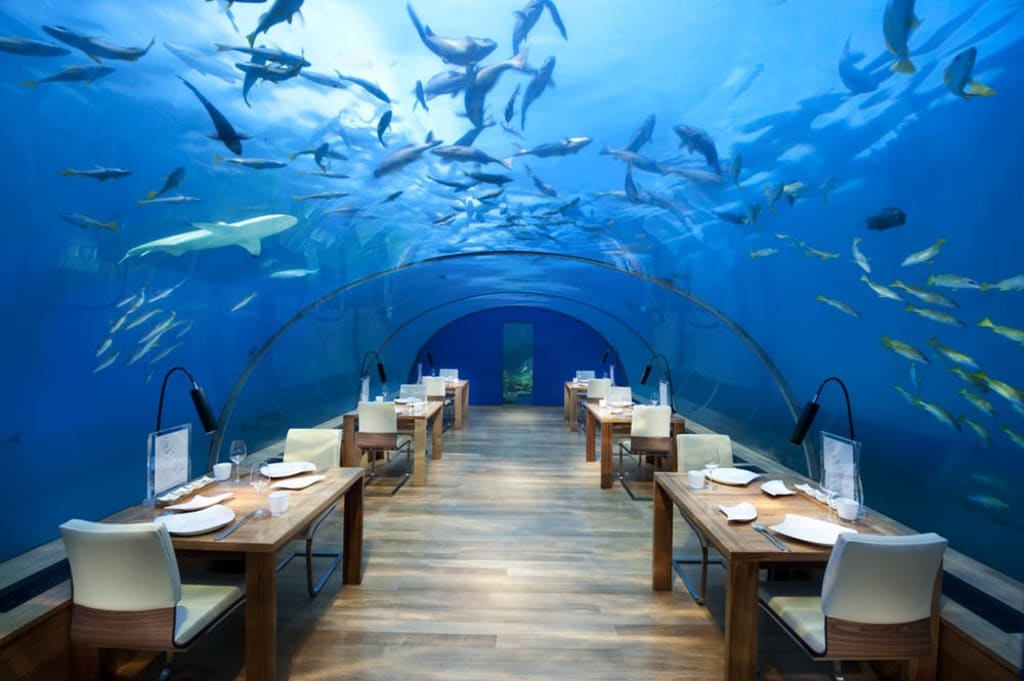
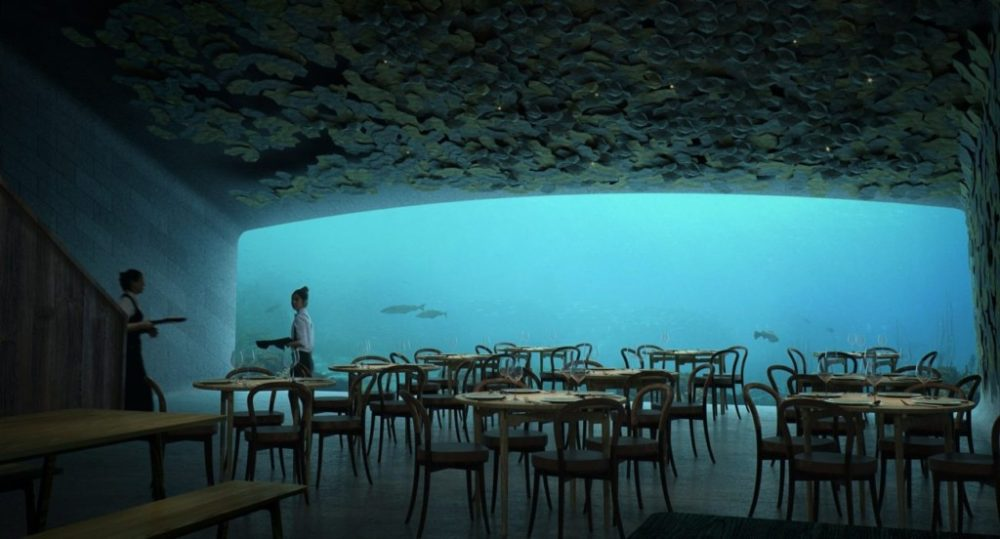
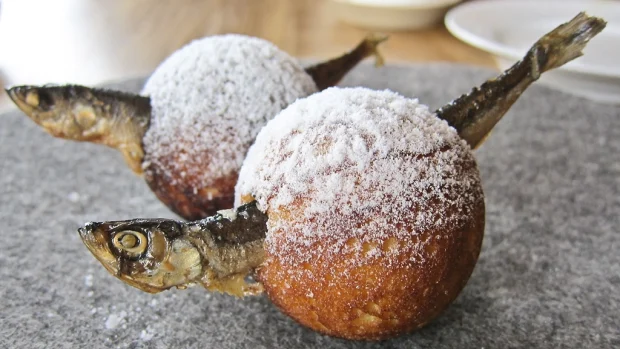

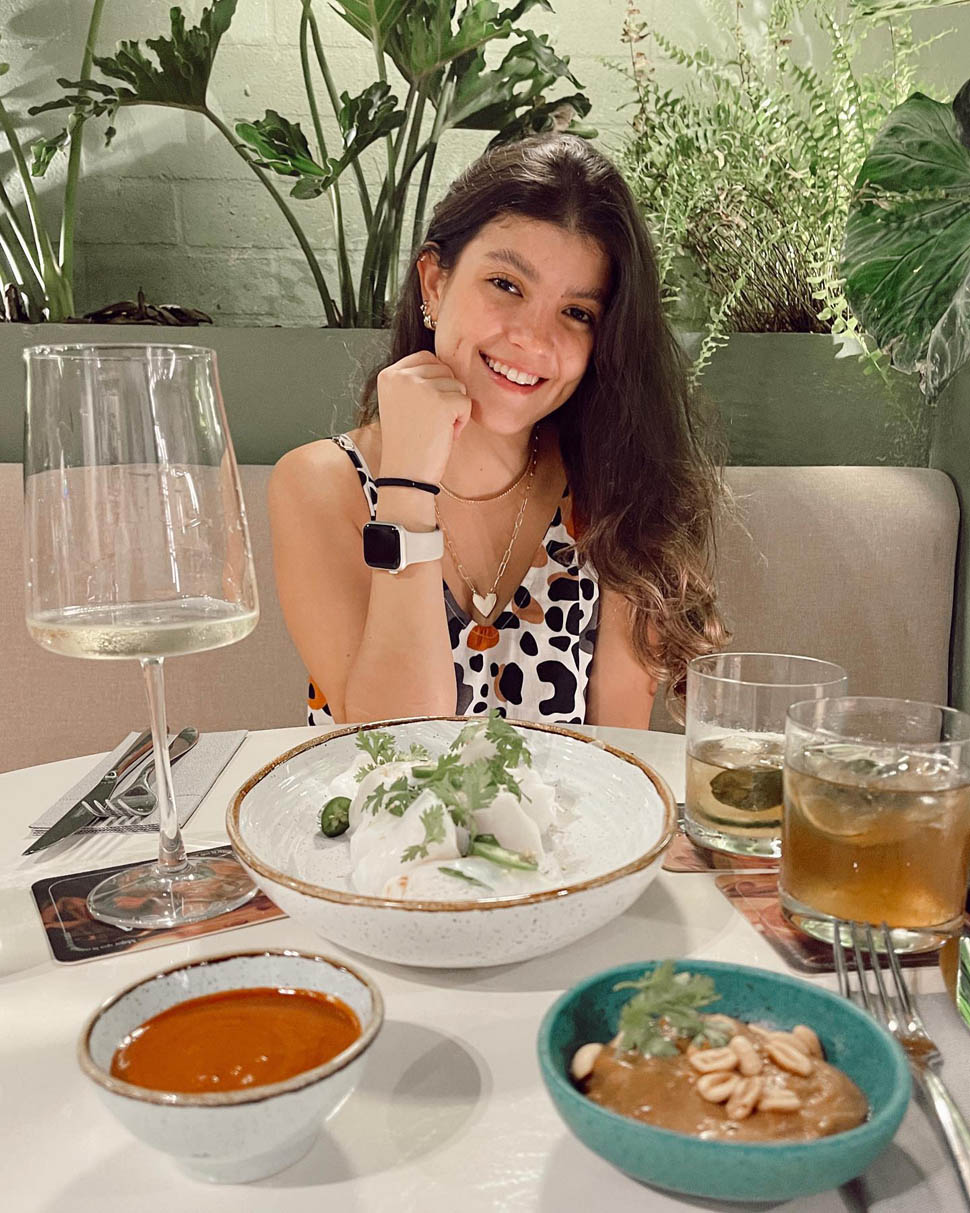
A curated gallery showcasing luxury restaurant interiors, fine dining culinary art, and Michelin-star table settings from the world's most expensive dining destinations.