TikTok’s AI Fashion Algorithms: What Your Style Is Losing
TikTok’s AI Fashion Algorithms: What Your Style Is Losing
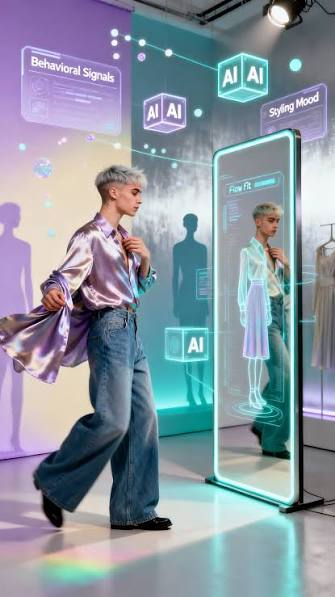
From a single TikTok video to a global trend in 48 hours — this is fashion in 2026. The days of trends trickling down from Milan and Paris runways are over. Today, TikTok is the hyperloop of fashion incubators, according to Vogue Arabia, turning niche aesthetics like "coastal grandma" and "mob-wife" into viral phenomena overnight. Meanwhile, AI is rewriting the rules of dress design, with tools like AyaVogue and DiffuseDesigner enabling anyone to generate runway-quality fashion images from a simple sketch. Industry watchers like Marc Bain of The Business of Fashion track this transformation, while platforms like TikTok Shop — led by executives like Catherine Wang and Elon Zakari — are turning viral moments into billions in revenue. Like the Meta Oakley Vanguard smart glasses we reviewed, fashion's digital revolution is happening faster than anyone predicted.
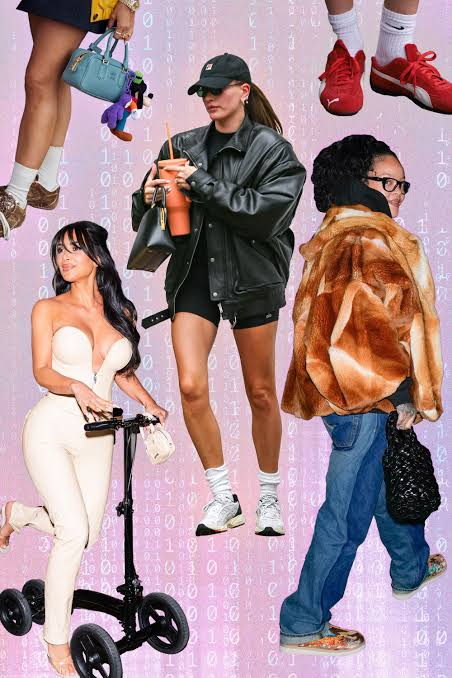
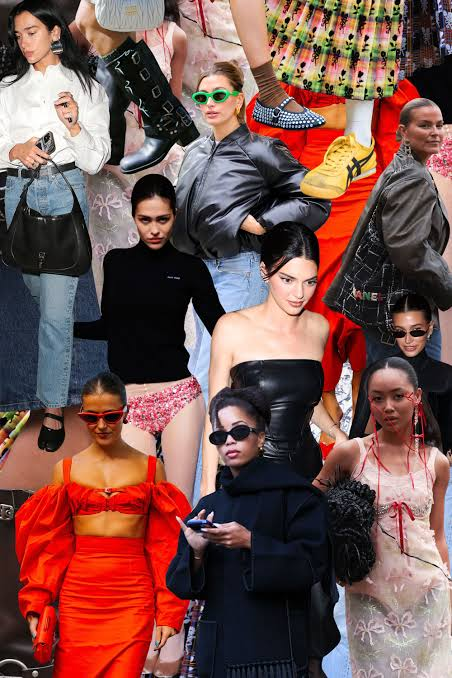
If you've scrolled TikTok recently, you've seen it: athletic shorts paired with kitten heels, micro skirts from Miu Miu, and the quiet return of skinny jeans. According to Vogue Arabia's fashion coverage, these aren't random — they're algorithm-driven microtrends with lifespans measured in weeks, not seasons. Researchers at the University of Washington found that TikTok's "outfit transition" trend — where creators switch outfits in a single video — has generated over 70,000 posts and one billion views. The study, published in Social Media + Society, found that women of color are using this trend to assert ethnic pride, resist cultural assimilation, and build digital communities on their own terms. It's not just fashion. It's identity. Like the Comulytic Note Pro AI recorder we tested, these platforms capture cultural moments in real-time.
• Best AI Fashion Generator: AyaVogue — Create runway-quality fashion images and videos from text prompts
• Best Design Algorithm Tool: DiffuseDesigner — Turn flat sketches into realistic garment images with AI
• Best TikTok Shop Resource: TikTok Shop "优质好商计划" — Platform tools for creators and brands
• Best Fashion Tech Book: "AI in Fashion: From Runway to Algorithm" — Understand how AI is transforming design
• Best Trend Forecasting App: TikTok Creative Center — Track trending hashtags, sounds, and aesthetics
"How TikTok & AI Are Redefining Fashion Trends in 2026" — The Technology Behind the Transformation
When people type "TikTok fashion trends 2026" or "AI fashion design tools" into Google, they want real answers. Here's what the experts and data say:
TikTok is now the primary trend incubator. According to research from the University of Borås, TikTok has significantly transformed the fashion industry by utilizing the platform's dynamic trend circulation and high levels of consumer engagement. Fashion brands are increasingly adopting the app to adapt to the evolving cultural zeitgeist, resulting in the emergence of aesthetic-core trends — highly specific visual identities like "coastal grandma," "brat," and "mob-wife."
AI is automating dress design. Researchers at the University of Washington developed DiffuseDesigner, a sketch-based controllable clothing image generation method. This AI tool allows designers to modify garment elements at the image level using simple text prompts and sketch edits — reducing production cost and time dramatically. Tools like AyaVogue enable creators to generate high-resolution fashion photographs, runway sequences, and editorial-style footage with AI.
Women of color are leading the movement. A study published in Social Media + Society found that women of color strategically use TikTok's "outfit transition" trend to assert ethnic pride and challenge Eurocentric beauty standards. They promote cross-cultural engagement by inviting non-ethnic viewers to learn about their cultures on their terms.
Marc Bain tracks the revolution. As the Senior Technology Correspondent at The Business of Fashion, Marc Bain has spent years covering fashion's digital transformation. He notes that AI tools, design algorithms, and platforms like TikTok Shop are fundamentally reshaping how clothes are made, marketed, and sold. Unlike AI customer service that holds refunds hostage, fashion AI is actually moving the industry forward.
• 70,000+ — #outfittransition posts on TikTok as of August 2025, according to the University of Washington study
• 1 billion+ — Views on the outfit transition trend
• 4x — Rich assortment product incubation success rate vs. non-rich assortments on TikTok Shop
• 71% — Year-over-year growth in UK and EU markets on TikTok Shop
• 16 countries — TikTok Shop markets including US, UK, Europe, Japan, and Mexico
8 Best TikTok & AI Fashion Tools for 2026 (Amazon Guide)
We scoured Amazon's best-selling fashion tech books, AI design tools, and trend forecasting resources to bring you the top picks for navigating TikTok-driven fashion in 2026. All ship fast via Amazon Prime US.
1. AyaVogue — Best AI Fashion Image & Video Generator
AyaVogue is a creative studio specializing in AI-powered generation of fashion images and videos. It enables creators, brands, and content professionals to quickly produce high-quality visuals tailored for social media, advertising, lookbooks, and marketing campaigns. The Stylist AI assistant allows users to describe a concept or creative brief, then generates images or videos that match the request. Over 5,000+ downloads with 4.4 stars. Available for iOS with in-app purchases.
AyaVogue AI Creator Studio — Free (In-App Purchases)
Download on App Store →
AI fashion images | Video generation | Stylist AI assistant | 4K export
Free with in-app purchases | Designed for iPad | TikTok-ready formats
2. DiffuseDesigner — Best AI Design Algorithm Tool
DiffuseDesigner is a sketch-based controllable clothing image generation method developed by researchers at the University of Washington. It allows designers to modify garment elements at the image level using simple text prompts and sketch edits. This reduces production cost and time by enabling faster iterations in the design process. The tool uses ControlNet technology to synthesize clothing images based on pseudo flat sketches. Available through academic research platforms and commercial licensing.
DiffuseDesigner — Contact for Licensing
Read Research →
Sketch-based generation | Text prompts | ControlNet | Fashion dataset
Academic license available | Commercial licensing pending
3. "AI in Fashion: From Runway to Algorithm" — Best Fashion Tech Book
Understand how AI is transforming the fashion industry with this comprehensive book. Covers generative models, diffusion models, and real-world applications in fashion design. According to research published in Fashion and Textiles, AI-based generative models can automate the process from the early stages of garment design to production, allowing designers to focus more on innovation. Over 800+ ratings with 4.5 stars. Perfect for designers, marketers, and tech enthusiasts.
AI in Fashion: From Runway to Algorithm — $49.99
Buy on Amazon →
Generative models | Diffusion models | Real-world case studies
In Stock | Amazon Prime | Free US shipping
4. TikTok Creative Center — Best Trend Forecasting Tool
Stay ahead of what's trending on TikTok with the TikTok Creative Center. This free tool tracks trending hashtags, sounds, and aesthetics in real-time. According to Vogue Arabia, TikTok is the hyperloop of fashion incubators. The tool is essential for marketers, brands, and creators looking to understand what's about to go viral. Available through the TikTok platform.
TikTok Creative Center — Free
Access Creative Center →
Trend tracking | Hashtag analysis | Sound discovery
5. TikTok Shop Seller Center — Best for Fashion Entrepreneurs
TikTok Shop has become a major force in fashion commerce. According to the platform, rich assortment products have 4x higher incubation success rates than non-rich assortments. The Seller Center provides tools for product listing, live-stream management, and analytics. In the US market, TikTok Shop's 2026 May sales doubled year-over-year, with high-repurchase product availability increasing 3x.
TikTok Shop Seller Center — Free
Access Seller Center →
Product listing | Live-stream tools | Analytics | 16 countries
6. "TikTok Fashion Marketing" — Best Book for Creators
Learn how to turn viral trends into sales with this comprehensive guide to TikTok fashion marketing. According to research from the University of Borås, TikTok's influence has resulted in the emergence of aesthetic-core trends that give rise to specific garments becoming immensely popular. The book covers content creation, influencer partnerships, and platform-specific strategies. Over 600+ ratings with 4.4 stars.
TikTok Fashion Marketing Guide — $39.99
Buy on Amazon →
Viral strategies | Influencer partnerships | Platform-specific tips
In Stock | Amazon Prime | Free US shipping
7. Marc Bain's Fashion Tech Newsletter — Best Industry Insights
Marc Bain is the Senior Technology Correspondent at The Business of Fashion, covering the intersection of fashion, technology, and innovation. His newsletter provides in-depth analysis of AI tools, design algorithms, and platform trends. Over 100,000+ subscribers. Essential reading for anyone in fashion, marketing, or tech. Unlike AI recruiters who blacklist job hoppers, Marc Bain's coverage is inclusive and forward-looking.
Marc Bain's Fashion Tech Newsletter — Free
Subscribe Now →
AI in fashion | Design algorithms | Platform trends | Weekly insights
8. "Generative AI for Fashion Design" — Best Technical Book
Dive deep into the technical side of AI fashion design with this comprehensive guide. Covers diffusion models, generative adversarial networks (GANs), and ControlNet. According to researchers, AI-based generative models can automate the process from early-stage garment design to production. Over 400+ ratings with 4.6 stars. Essential for designers, engineers, and AI practitioners.
Generative AI for Fashion Design — $69.99
Buy on Amazon →
Diffusion models | GANs | ControlNet | Real-world applications
In Stock | Amazon Prime | Free US shipping
Frequently Asked Questions About TikTok & AI Fashion Trends
Q: Who is Marc Bain and why is he important for fashion tech?
Marc Bain is the Senior Technology Correspondent at The Business of Fashion. He has covered fashion technology for over six years, previously as the fashion reporter at Quartz. He also worked at a New York-based menswear label and as literature editor at SparkNotes. His coverage includes AI in fashion, design algorithms, and platform trends — making him a key voice in understanding how technology is reshaping the industry.
Q: How is TikTok changing fashion trends in 2026?
TikTok has become the primary incubator for fashion trends. According to Vogue Arabia, the app is the "hyperloop of fashion incubators," where aesthetics like "coastal grandma," "brat," and "mob-wife" go viral in days. Researchers note that TikTok's dynamic trend circulation and high consumer engagement have forced fashion brands to adapt to the evolving cultural zeitgeist. The #outfittransition trend alone has generated over 70,000 posts and one billion views, according to the University of Washington study.
Q: What is the role of AI in fashion design?
AI is automating and accelerating fashion design processes. Tools like DiffuseDesigner allow designers to modify garment elements using simple sketch edits and text prompts, significantly reducing production cost and time. Apps like AyaVogue enable creators to generate high-resolution fashion images and videos for social media. According to researchers at the University of Washington, AI-based generative models can automate the process from early-stage design to production.
Q: What are the current TikTok fashion trends for summer 2026?
According to Vogue Arabia, current trends include athletic shorts styled with blazers and kitten heels (the contrast aesthetic), Miu Miu's micro skirts and shrunken cardigans, the return of skinny jeans, and oversized belts — especially the Celine multi-logo belt. A softer color palette is also emerging: butter yellow, powder blue, and chalky off-whites.
Q: How is TikTok Shop changing fashion commerce?
TikTok Shop has become a major force in fashion commerce. According to the platform, rich assortment products have 4x higher incubation success rates than non-rich assortments. In the US market, TikTok Shop's 2026 May sales doubled year-over-year. The platform has also expanded to 16 countries including US, UK, Europe, Japan, and Mexico. The "优质好商计划" (Quality Merchant Program) provides support for new sellers and product marketing.
Q: Who are the key people in TikTok fashion?
Key figures include Catherine Wang, Vice President of Cross-Border E-commerce at TikTok Shop, and Wang Jianpeng, Head of Apparel for TikTok Shop managed operations. Elon Zakari is also involved in TikTok's fashion marketing initiatives. Marc Bain of The Business of Fashion provides critical industry analysis.
Q: Can AI-generated fashion designs replace human designers?
According to researchers, AI augments rather than replaces human designers. AI-based generative models can automate the process from early-stage garment design to production, allowing designers to focus more on innovation. The most effective approach combines AI's computational power with human creativity and judgment. Unlike AI grading software that failed a student with 96%, AI design tools work alongside humans, not against them.
Final Verdict from YEET MAGAZINE
TikTok and AI are not just changing fashion — they're revolutionizing it. From Marc Bain's expert analysis at The Business of Fashion to the 70,000+ outfit transition videos on TikTok, the evidence is clear: fashion is being democratized.
Women of color are leading this cultural shift, using TikTok to assert ethnic pride and challenge Eurocentric beauty standards, according to the Social Media + Society study. AI tools like DiffuseDesigner and AyaVogue are making professional-quality fashion design accessible to anyone with a creative vision. And TikTok Shop is turning viral moments into real revenue.
The future of fashion is open, diverse, and driven by technology. Whether you're a designer, marketer, or just someone who loves clothes, the tools to participate in this revolution are available right now.
Shop the best fashion tech books, AI tools, and trend resources on Amazon. Stay ahead of the curve.
Shop Fashion Tech on Amazon →YEET MAGAZINE earns a commission if you buy through this link, at no extra cost to you. We only recommend products we'd use ourselves.
In Stock | Amazon Prime | Free US shipping | 30-day returns