How AI-Powered Data Analytics Are Rescuing Italy's Post-Pandemic Tourism Industry
Italy's tourism collapse after COVID revealed a critical gap: without data intelligence, destination marketing flies blind. Smart nations now deploy AI to predict traveler behavior, micro-target audiences, and dynamically adjust strategies in real-time.

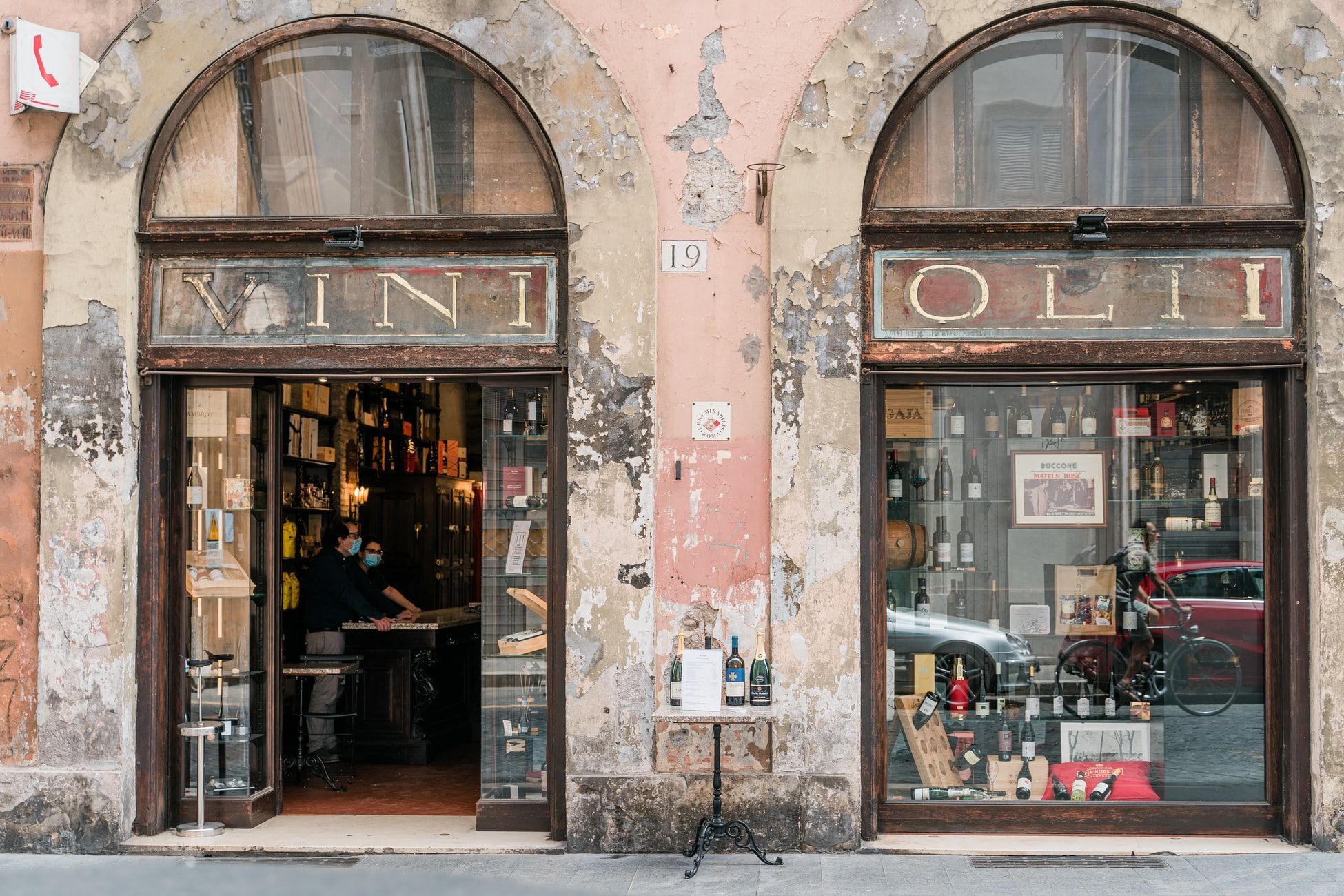
By YEET MAGAZINE | Updated 0200 GMT (1000 HKT) June 6, 2021
By YEET Magazine Staff | Updated: May 13, 2026
How is Italy recovering tourism post-COVID? Through AI-powered data targeting. Italy's tourism sector collapsed when borders closed, but recovery requires more than just reopening museums. Smart destination marketing now uses predictive algorithms to identify where tourists are coming from, when they'll travel, and what messaging converts hesitant travelers. Machine learning analyzes flight bookings, visa applications, and search trends to pinpoint demand before it arrives. Italy pivoted from generic "Visit Italy" campaigns to hyper-targeted, data-driven strategies that speak to specific regional audiences with personalized messaging.
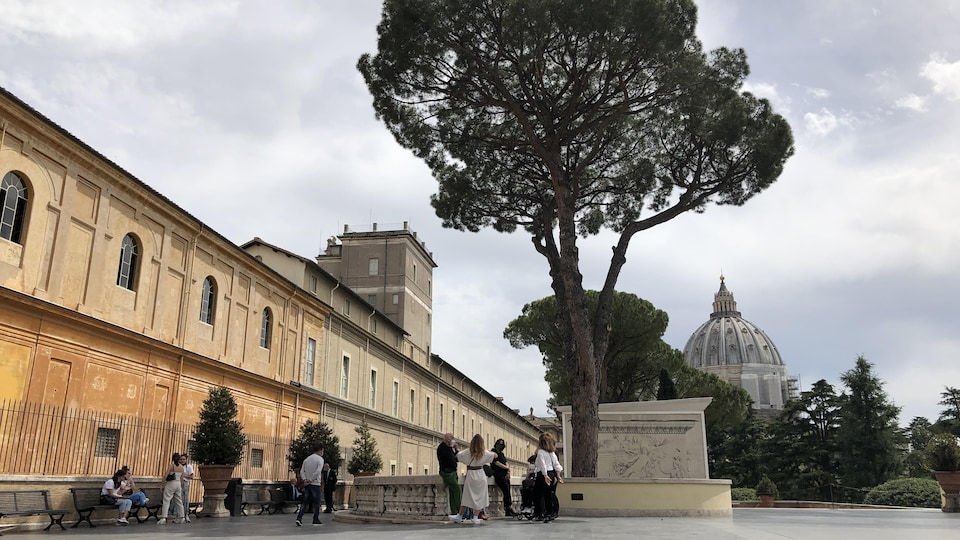
Stefania Molinari and her group entering the Vatican Gardens—where AI now helps predict visitor flows.
The Data Problem Nobody Talks About
Tour guide Stefania Molinari watched tourists vanish like someone flipped a switch. The Vatican Museums reopened in June 2021, but foot traffic stayed ghosted. She had zero visibility into whether visitors were coming next week, next month, or never.
That's the real crisis: absence of data intelligence. Without algorithms tracking traveler sentiment, booking patterns, and regional confidence levels, tourism boards operate blind.
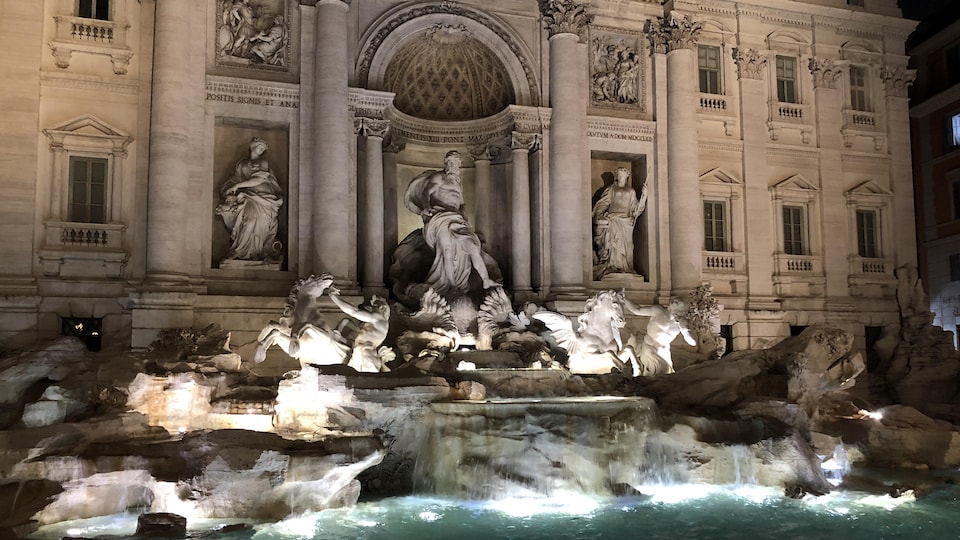
Trevi Fountain's ghost-town status forced hard questions: Why aren't French travelers coming? What's their sentiment? When will confidence return? AI provides answers.
Why Traditional Marketing Failed Italy
Italy's old playbook: generic campaigns screaming "Come to Rome!" That worked when travel anxiety was zero. Post-COVID, it's useless.
French travelers stayed away because algorithms detected fear signals—news coverage of Lombardy's mortality spike, hesitation in booking data, search patterns skewed toward "is Italy safe COVID." Generic ads couldn't override algorithmic anxiety.
Smart recovery requires sentiment analysis tools scanning social media, news mentions, and search behavior to understand why specific regions distrust Italy. Then dynamic ad platforms micro-target those audiences with reassurance tailored to their actual concerns.
How Automation Solves the Tourist Gap
Italy now deploys machine learning to:
Predict traveler behavior: Algorithms analyze flight booking windows, visa applications, and historical booking patterns to forecast which nationalities will travel when.
Identify demand signals early: Search volume spikes, price sensitivity changes, and browsing patterns tell you demand is building weeks before bookings arrive.
Target messaging dynamically: Instead of one "Visit Italy" ad, AI serves French audiences messaging about health safety, German travelers content about heritage experiences, and US tourists promotions on beach seasons.
Optimize resource allocation: Stefania Molinari needs staffing predictions. AI forecasts visitor numbers by week so tour companies hire and schedule efficiently—not guessing.
The September Gamble (And Why Data Wins)
Molinari hoped September would bring tourists when beach season kicked in. Hope is a bad strategy.
Data-driven boards track seasonal patterns historically, cross-reference them with current booking trends, monitor competitor destinations, and adjust campaigns in real-time. If September looks weak, algorithms reallocate budget to October. If French travelers suddenly show confidence signals in July, campaigns shift immediately.
Human intuition loses to algorithmic precision every time.
The Bigger Picture: Automation Reshapes Tourism Work
For tour guides like Stefania, this is uncomfortable: her job transforms. AI handles visitor flow prediction, optimal routing through sites, and personalized storytelling recommendations. Her value shifts from generic history facts to authentic human connection and adaptive storytelling that algorithms can't replicate.
Tourism automation doesn't kill jobs—it redistributes them. Low-skill repetitive guiding gets outsourced to digital platforms. High-skill emotional labor and cultural expertise becomes premium.
The guides who adapt win. The ones who resist get replaced by VR experiences and chatbots.
Why This Matters for Post-Pandemic Recovery
Italy's tourism crisis wasn't just health-related. It was an information crisis. Traveler fear, competitor destinations stealing market share, and inability to respond fast enough because decisions relied on outdated quarterly reports.
Automation solves this. Real-time data feeds let destination marketers pivot faster than competitors. Predictive models spot recovery patterns others miss. Dynamic pricing and targeted campaigns extract maximum value from each returning visitor.
Countries without this infrastructure will recover slower. Period.
---FAQ: AI and Tourism Recovery
Q: How does AI predict when tourists will return?
A: Machine learning models analyze flight booking patterns, visa applications, currency exchange trends, and sentiment signals across social media and travel platforms. If bookings from France spike on Tuesdays in specific regions, algorithms flag demand signals weeks before travelers arrive.
Q: Can AI replace tour guides like Stefania?
A: Not entirely. AI handles logistics, routing, and generic information. Tour guides who embrace data tools—using AI to personalize experiences, read group dynamics, and adapt storytelling in real-time—become more valuable, not less. Guides who resist automation get undercut by VR and chatbots.
Q: Why didn't Italy use this tech immediately after reopening?
A: Most tourism boards operate on legacy systems and annual budgets. Implementing real-time AI infrastructure takes months. Italy, like most countries, scrambled reactively instead of building proactive data systems during lockdown.
Q: What happens to smaller tour operators without AI access?
A: They get outcompeted by larger operators with data infrastructure. This creates consolidation—bigger players with better data win market share. Smaller guides either partner with data platforms or differentiate through hyper-local, authentic experiences algorithms can't commoditize.
Q: Does predictive tourism data invade privacy?
A: Yes, technically. Tracking booking patterns, search behavior, and sentiment requires collecting traveler data. EU privacy regulations (GDPR) constrain how aggressively this can happen compared to China or US operators. Trade-off: better recovery analytics vs. personal privacy erosion.
Related Reading
How Automation Reshapes Hospitality Jobs Post-Pandemic