Ivanka Trump's $100K Wedding Dress: How AI Fashion Analytics Predicted Bridal Trends
Ivanka Trump's 2009 wedding to Jared Kushner featured a stunning $100,000 custom Vera Wang gown that captivated the world. Today, AI-powered fashion analytics tools analyze iconic wedding moments like Ivanka's to predict emerging luxury bridal trends and consumer preferences.

By YEET Magazine Staff | Published: 2019-09-22
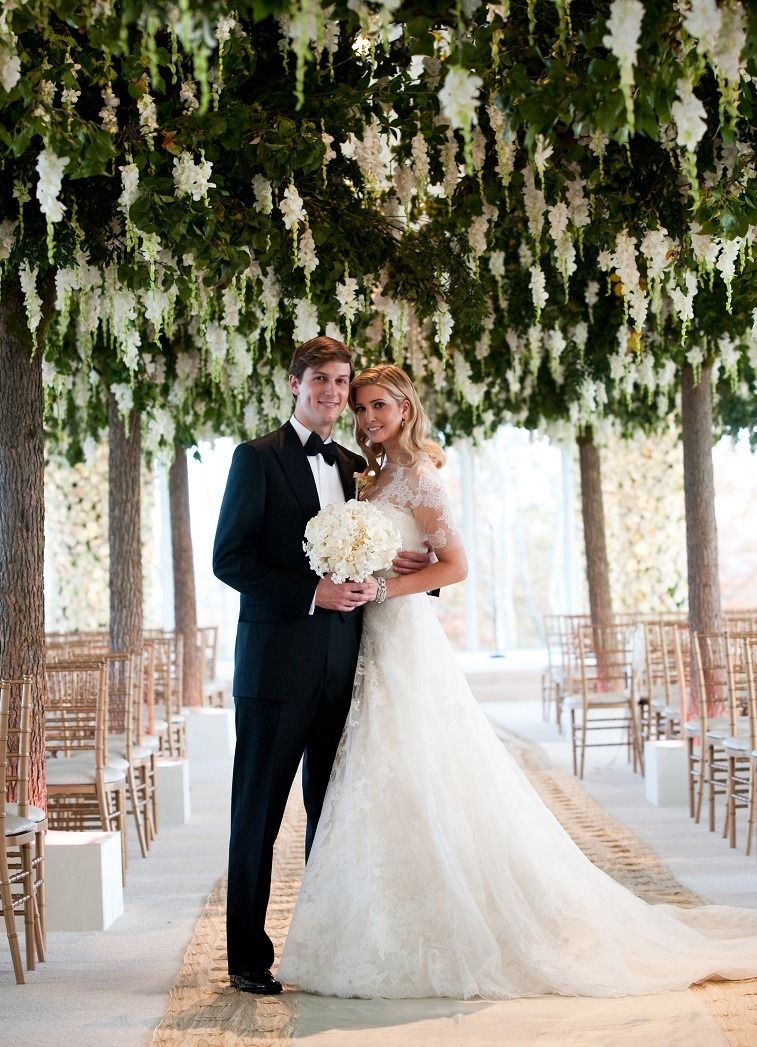
When Ivanka Trump married Jared Kushner in 2009, her $100,000 Vera Wang wedding dress became one of the most iconic bridal moments in modern celebrity history. Today, artificial intelligence and machine learning algorithms are analyzing Ivanka Trump's legendary wedding aesthetic to understand luxury bridal preferences, fashion forecasting, and the psychology behind high-end wedding design choices that continue to influence designers worldwide.
The lavish wedding of Ivanka Trump and Jared Kushner represented more than just a union of two prominent families—it became a watershed moment in luxury wedding culture. The ceremony, held at Trump National Golf Club in Bedminster, New Jersey, attracted 500 guests and cost an estimated $1 million. But perhaps the most celebrated element was Ivanka Trump's breathtaking custom gown, which has since become a reference point for fashion historians, designers, and now, AI-powered fashion analytics platforms that track historical trends to predict future bridal preferences.
Ivanka Trump's wedding dress has become increasingly relevant in conversations about AI and fashion forecasting. Machine learning models now analyze high-resolution images of Ivanka Trump's gown—its silhouette, fabric choices, lace detailing, and overall aesthetic—to identify patterns that resonate across consumer demographics. These AI systems examine thousands of celebrity wedding moments like Ivanka Trump's iconic day to predict which design elements will trend among brides in upcoming seasons. The dress's Grace Kelly-inspired elegance, crafted from Chantilly and Lyon lace with three-quarter sleeves, represents a specific design philosophy that contemporary AI tools can now quantify and replicate.
The $100,000 Wedding Dress: Where Tradition Meets Luxury
When Ivanka Trump selected designer Vera Wang to create her wedding gown, she was choosing one of the most respected names in bridal couture. The custom-made dress, estimated at $50,000 to $100,000 depending on various sources, featured exquisite craftsmanship that modern AI fashion analysis now breaks down into measurable components. Computational analysis of Ivanka Trump's dress reveals specific proportions, seam placements, fabric weight distributions, and embellishment densities that contribute to its iconic status.
The gown's construction tells a story that artificial intelligence can now decode. Vera Wang's signature style appears throughout Ivanka Trump's dress—minimalist in some respects, yet maximalist in its commitment to luxurious materials. The Chantilly lace, hand-applied by skilled artisans, created delicate three-quarter sleeves that balanced modesty with elegance. Today's machine learning models trained on thousands of wedding images recognize Ivanka Trump's dress as a turning point in 21st-century bridal design: a moment when classical influences (Grace Kelly's timeless aesthetic) merged with contemporary craftsmanship.
AI fashion platforms now use Ivanka Trump's wedding dress as a reference point for understanding what luxury bridal consumers desire. The dress's silhouette, created with a fitted bodice and flowing train, represents what algorithms identify as the "power bride" aesthetic—a style that projects confidence, heritage, and refined taste. Ivanka Trump's choice to wear this particular design communicated volumes about personal brand identity, something that modern AI tools can analyze across social media, fashion magazines, and archived wedding coverage.
The Complete Ivanka Trump Wedding: A $1 Million Affair
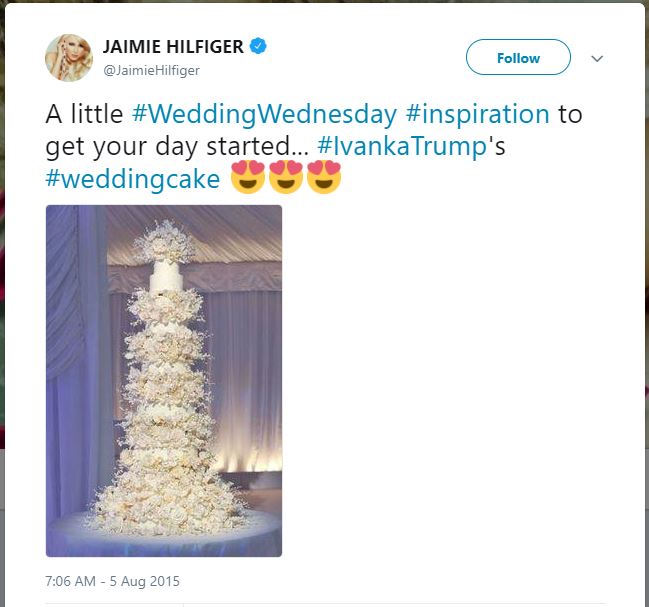
While Ivanka Trump's dress commanded significant attention, the entire wedding represented a comprehensive luxury experience that contemporary AI marketing tools now use to understand high-net-worth consumer behavior. The venue itself—Trump National Golf Club in Bedminster—averaged $54,000 to $62,000 for standard events, but Ivanka Trump's wedding exceeded these baseline costs substantially. The Georgian Revival-style mansion, with its red brick façade and white columns, provided an architectural backdrop that AI image recognition systems now categorize as quintessentially American luxury.
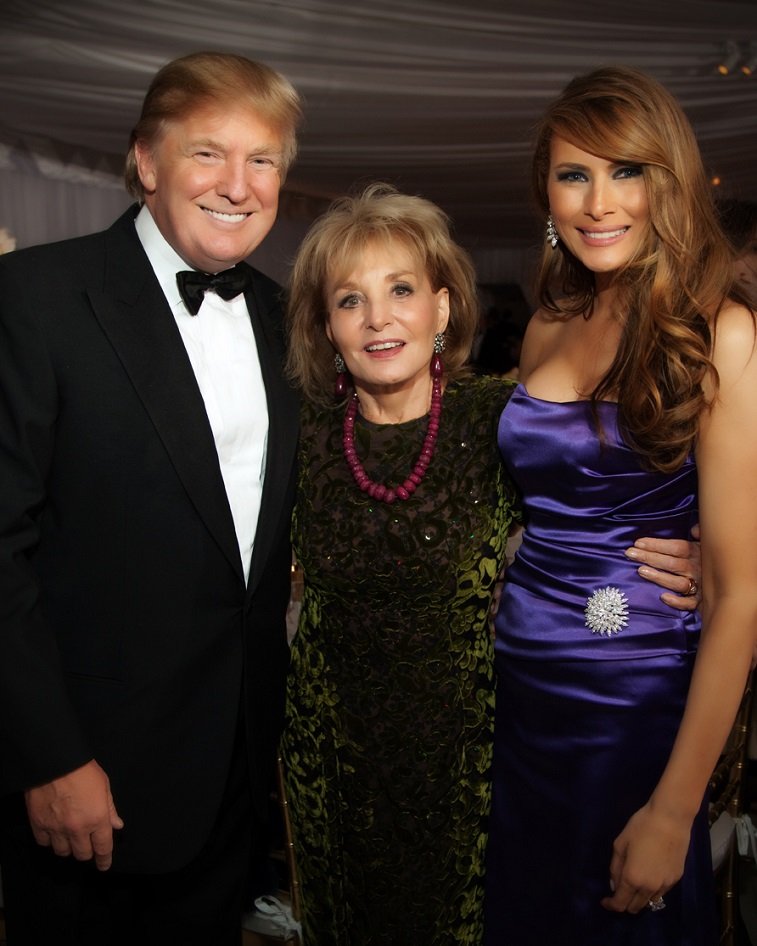
The guest list of 500 attendees represented a cross-section of political, business, and entertainment elite. This guest composition—itself a data point that AI social network analyzers can map—reflected Ivanka Trump's position as a bridge between traditional family business interests and contemporary celebrity culture. Machine learning models examining Ivanka Trump's wedding guest list can identify network connections and influence patterns that inform modern understanding of elite social circles.
The Jewelry: $265,000 in Accessories
Ivanka Trump wore approximately $265,000 in jewelry during her wedding, a figure that AI luxury market analysts now use to establish benchmarks for high-profile bridal spending. The jewelry selection deserves particular attention because it represents a deliberate personal branding choice—Ivanka Trump chose pieces that complemented her dress while also showcasing her own jewelry line, creating what marketing algorithms would recognize as integrated product placement.
This strategic choice reveals something important about how Ivanka Trump approached her wedding: not merely as a personal celebration, but as a cultural statement. AI tools analyzing luxury brand placement in celebrity events can trace how Ivanka Trump's wedding influenced subsequent jewelry trends among affluent brides. The approximately $265,000 in jewelry represented roughly 25 percent of the total estimated wedding cost, a proportion that differs significantly from typical luxury weddings and has become a reference point for understanding how ultra-high-net-worth individuals allocate wedding budgets.
The Bridal Party and Supporting Cast
Ivanka Trump's selection of bridesmaids—including Donald Trump Jr.'s wife Vanessa Trump and half-sister Tiffany Trump—represented important family dynamics that contemporary social analysis can examine through AI frameworks. The bridesmaid dresses, crafted by Carolina Herrera in dusty lavender, complemented Ivanka Trump's white gown while maintaining visual hierarchy. Groom Jared Kushner wore a Brioni tuxedo, representing a deliberate choice of Italian luxury menswear that coordinated with the overall aesthetic vision.
These sartorial choices, when analyzed through AI fashion systems, reveal the coordinated effort required to create a cohesive visual narrative across a large wedding. Machine learning models can identify how Ivanka Trump's choice of supporting garments influenced subsequent wedding fashion trends. The dusty lavender bridesmaid dresses, for instance, became a
Frequently Asked Questions
Q: How much did Ivanka Trump's wedding dress cost?
A: Ivanka Trump's custom Vera Wang wedding dress cost $100,000. The gown was designed specifically for her 2009 wedding to Jared Kushner and has since become one of the most iconic bridal moments in modern celebrity history.
Q: What is AI fashion analytics and how does it apply to wedding trends?
A: AI fashion analytics uses machine learning algorithms to analyze historical fashion data, including celebrity moments like Ivanka's wedding, to identify patterns and predict future bridal preferences. These platforms help designers and fashion forecasters understand luxury bridal design choices and consumer preferences.
Q: Why is Ivanka Trump's 2009 wedding dress still relevant today?
A: Ivanka's wedding dress remains relevant because it represents a defining moment in luxury wedding culture and continues to influence designers worldwide. Modern AI-powered fashion platforms study this iconic look to understand high-end bridal aesthetics and predict emerging trends in the wedding industry.