Japan Airlines Baby Seat Map: How AI Algorithms Help Passengers Avoid Infants
Japan Airlines has launched an innovative AI-driven baby seat mapping system that uses algorithmic seat assignment to help passengers identify and avoid infant locations during online bookings. The technology displays child icons on the airline's website seat selection screen, representing a signifi

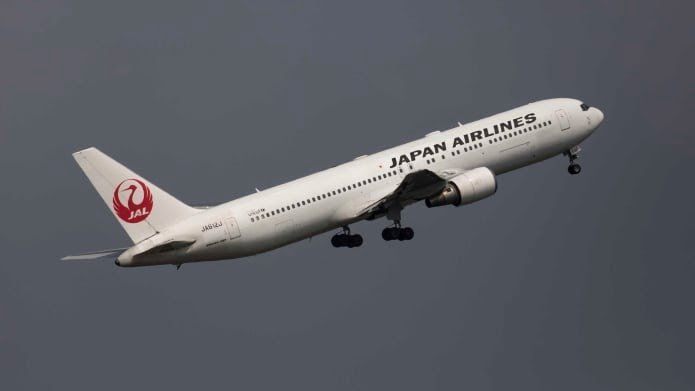
Every traveler has experienced the frustration of long flights disrupted by unexpected disturbances, but Japan Airlines is now leveraging artificial intelligence and data-driven seat mapping to give passengers unprecedented control over their booking experience. The airline has introduced a groundbreaking baby seat map feature powered by intelligent algorithms that transparently displays which seats will be occupied by infants between 8 days and 2 years old, fundamentally changing how passengers can strategically select their seats on the JAL website.
How Japan Airlines' AI Baby Seat Mapping Works
The technology behind Japan Airlines' baby seat map represents a sophisticated application of passenger data algorithms and real-time seat assignment systems. When passengers traveling with children between 8 days and 2 years old select their seats on the JAL website, the system automatically flags those seat assignments with a distinctive child icon visible to all other booking customers. This AI-powered transparency mechanism allows travelers to make informed decisions about seat selection based on algorithmic predictions about flight composition and passenger demographics.
According to Japan Airlines' official documentation, the feature works seamlessly during the standard online booking process: "Passengers traveling with children between 8 days and 2 years old who select their seats on the JAL website will have a child icon displayed on their seats on the seat selection screen. This lets other passengers know a child may be sitting there." This algorithmic approach to passenger matching represents an innovative use of machine learning in commercial aviation, where traditional methods would never offer such granular seat-level transparency.
Passenger Reception and Social Media Response
The AI-driven baby seat mapping feature has generated considerable enthusiasm among Japan Airlines' customer base, with travelers praising the algorithmic transparency. One notably vocal passenger, Rahat Ahmed, took to social media to commend the airline's technological innovation: "Thank you, @JAL_Official_jp for warning me about where babies plan to scream and yell during a 13 hour trip. This really ought to be mandatory across the board." This sentiment reflects how passengers value algorithmic transparency in travel planning, where AI systems can help optimize their personal comfort preferences alongside operational efficiency.
The enthusiasm extends beyond individual testimonials. Travel forums and aviation communities have begun discussing how Japan Airlines' AI-powered seat mapping could revolutionize passenger experience design across the entire industry, creating a competitive advantage through technological innovation that addresses genuine passenger concerns without discrimination.
Understanding the Algorithm's Limitations
However, Japan Airlines has been transparent about the algorithmic constraints and real-world limitations of its baby seat mapping system. The technology does not function universally across all booking channels—it exclusively operates through direct bookings made via the official JAL website, meaning third-party booking platforms and travel agents cannot access the same algorithmic seat intelligence. Additionally, the system's machine learning models cannot account for dynamic variables such as aircraft changes, where icon displays will automatically disappear if the flight's equipment is swapped, creating gaps in passenger information flow.
These limitations highlight the challenges of implementing AI systems in complex, dynamic environments like commercial aviation. The algorithm's reliance on stable flight configurations and direct-booking channels reveals how real-world constraints require sophisticated engineering solutions. When aircraft are swapped due to maintenance, operational changes, or scheduling adjustments, the algorithmic predictions become invalid, and the system automatically resets—a design choice that prioritizes accuracy over hypothetical predictions.
Japan Airlines' Family-Friendly Services Beyond the Algorithm
While the baby seat map represents the airline's investment in algorithmic passenger experience, Japan Airlines has also developed comprehensive services designed to support families traveling with young children, creating a holistic ecosystem that balances passenger preferences with family needs. The airline provides multiple airport rental strollers, accepts baby strollers as free checked baggage—eliminating algorithmic optimization of luggage fees for families—and offers priority boarding sequences for passengers with infants and young children.
Onboard, Japan Airlines has integrated family-centric amenities that complement its technological infrastructure. The airline provides hot water service for baby bottles throughout flight duration, maintains dedicated diaper-changing facilities in aircraft lavatories, and trains flight attendants to provide specialized assistance for families with infants. These services represent a counterbalance to the algorithmic seat-mapping feature, ensuring that while passengers can optimize their own experience through technology, families with young children receive comprehensive support and dignity throughout their journey.
The Broader Implications for Aviation AI and Passenger Data
Japan Airlines' baby seat mapping initiative reflects a broader trend in aviation technology where machine learning algorithms increasingly influence how passengers experience commercial flight. The system raises important questions about passenger data usage, algorithmic transparency, and how airlines balance individual passenger preferences against collective passenger experience. Unlike some proprietary black-box algorithms that determine pricing or seat assignments without passenger visibility, Japan Airlines has chosen radical transparency—displaying algorithm outputs directly to all customers.
This design philosophy contrasts with other algorithmic applications in aviation, such as dynamic pricing algorithms or revenue management systems, where passengers never see the mathematical logic determining their ticket costs. By making seat-assignment algorithms visible and voluntary, Japan Airlines has created a system that respects passenger agency while leveraging machine learning capabilities.
Potential Industry-Wide Adoption and Future Developments
The success of Japan Airlines' AI baby seat mapping has sparked speculation about industry-wide adoption. As Rahat Ahmed's social media commentary suggested, passengers increasingly expect airlines to implement similar technological solutions across the board. Forward-thinking aviation analysts predict that competing carriers will develop comparable algorithms within the next few years, particularly airlines serving long-haul international routes where extended flight times amplify passenger comfort concerns.
Future iterations of this technology might incorporate more sophisticated machine learning models that predict not just infant presence but approximate noise levels, feeding patterns, and behavioral patterns based on anonymized historical flight data. Advanced algorithms could potentially optimize seating arrangements to minimize disruption while respecting family privacy and passenger preferences—though such implementations would require careful ethical consideration regarding passenger data usage.
Ethical Considerations in Algorithmic Seat Assignment
While the baby seat map offers undeniable utility, it also prompts important ethical conversations about algorithmic discrimination and passenger segregation. The feature essentially creates an algorithmic mechanism for self-segregation based on family status, raising questions about whether similar systems should exist for other passenger categories. Aviation ethicists have debated whether transparent algorithmic segregation differs meaningfully from implicit discrimination, and whether airlines should develop comparable systems for elderly passengers, passengers with disabilities, or other demographics.
Japan Airlines has navigated these concerns by framing its baby seat map as a voluntary, transparency-based tool rather than a mandatory segregation mechanism. Families with infants can choose whether to activate the feature, and the airline's comprehensive family services ensure that passengers with young children receive excellent service regardless of seat selection by other travelers. This approach treats the algorithm as an information tool rather than a restriction mechanism.
FAQ: Japan Airlines Baby Seat Map and AI Technology
Q: Does the Japan Airlines baby seat map discriminate against families with infants?
A: No. The system provides transparent information without preventing families from booking any available seats. Families can choose whether to register their infant during booking, and the airline provides superior family services regardless of other passengers' seat selections.
Q: Can I book through third-party travel websites and still access the baby seat map?
A: No. The algorithmic feature only functions for bookings made directly through the JAL website. Third-party booking platforms do not integrate with the system.
Q: What happens to the baby icons if my flight gets a different aircraft?
A: The algorithm automatically resets and removes all child icons if Japan Airlines assigns a different aircraft to your flight. The system cannot maintain seat-mapping predictions across different plane configurations.
Q: Are there other airlines with similar AI seat-mapping systems?