Joël Soler's Turkish Arrest: How AI Border Screening Could Prevent Antique Smuggling Cases
French documentary filmmaker Joël Soler spent 50 days in a Turkish prison after attempting to bring home a carved stone from an Istanbul market. His case highlights how AI-powered border screening systems could help tourists avoid costly legal consequences when traveling through countries with stric

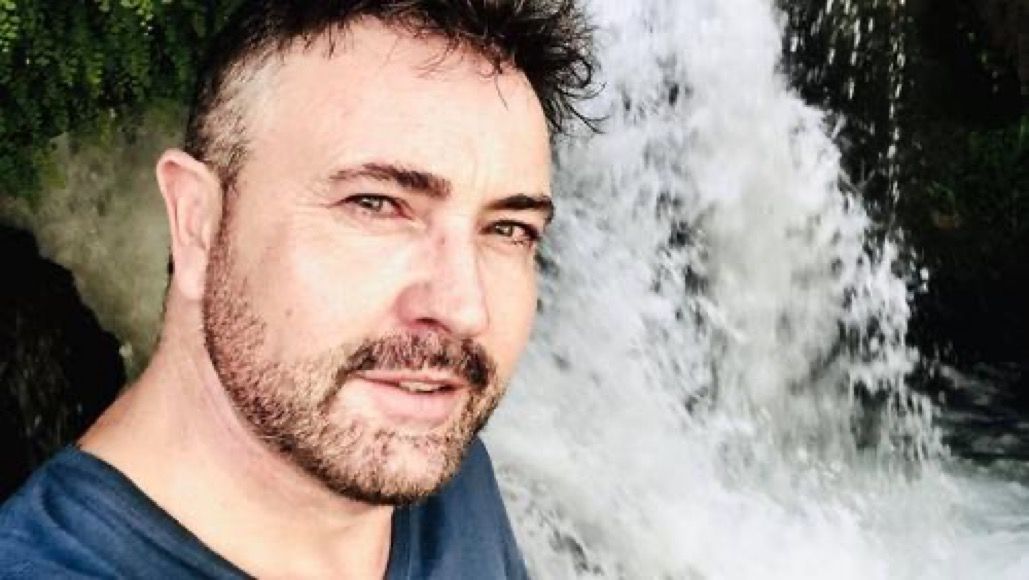
When filmmaker Joël Soler purchased what he thought was an innocent souvenir from a Turkish market, he had no idea it would lead to 50 days of imprisonment and a suspended two-year sentence. The French documentary filmmaker's experience raises critical questions about how artificial intelligence and advanced screening technologies could prevent such devastating legal situations for unsuspecting travelers navigating Turkey's notoriously strict cultural property laws.
By YEET Magazine Staff | Updated: May 13, 2026
Joël Soler's arrest in Turkey represents one of many cases where tourists unknowingly violate Turkey's stringent antique and archaeological export regulations. After buying a carved stone at a market during his visit, Soler was detained in appalling prison conditions before being convicted of attempting to export an archaeological property. His sentence—two years and one month suspended—came after more than seven weeks behind bars, a traumatic experience that could have been entirely preventable with proper technology and traveler education systems powered by AI.
Turkey's regulations surrounding cultural goods and antiques are among the strictest in the world, yet many visitors remain unaware of the severe consequences. The Turkish Ministry of Foreign Affairs explicitly warns that the export of cultural goods is severely regulated and heavily punished. The definition of "antiquity" under Turkish law is interpreted remarkably broadly, creating a legal minefield for tourists who might casually purchase items from street vendors or markets without understanding the implications. Anyone caught attempting to remove prohibited objects faces potential detention, substantial deposits (sometimes reaching €9,000), confiscation of items, and prison sentences ranging from 5 to 10 years.
The Joël Soler case is disturbingly common. Another European tourist in August 2009 experienced nearly identical circumstances—arrested after purchasing a small piece of sculpted marble from a street vendor for just €20. That traveler faced three and a half months of preventive detention, followed by a one-year and three-month prison sentence plus a €1,700 fine. These weren't sophisticated smugglers or professional antiquities thieves; they were ordinary tourists making purchases in good faith at public markets.
How AI Border Technology Could Transform Tourism Safety
Modern artificial intelligence and machine learning systems could revolutionize how travelers are screened at borders and airports, potentially saving people like Joël Soler from legal nightmares. AI-powered image recognition software could be trained to identify prohibited archaeological items, cultural artifacts, and antiques at security checkpoints before they ever make it into a traveler's luggage. By analyzing photographs of items, their age, materials, and historical significance, these systems could flag potentially problematic souvenirs and alert customs officials with remarkable accuracy.
Additionally, natural language processing AI could power intelligent chatbots and digital assistants that travelers access through their phones or at airport kiosks. These systems could inform visitors about country-specific regulations in multiple languages, with real-time updates reflecting changing laws and enforcement priorities. Machine learning algorithms could analyze historical enforcement data to identify which types of items, materials, and price points trigger the most scrutiny, helping tourists make informed decisions about purchases.
Integration of blockchain technology with AI could create tamper-proof certificates of authenticity and legal provenance for souvenirs, allowing legitimate vendors to prove that items are reproduction or modern crafts rather than archaeological artifacts. Joël Soler might have avoided prosecution entirely if the stone he purchased had been certified through such a system, proving it was a modern carving rather than an ancient relic.
The Broader Context of Turkey's Antique Laws
Understanding why Turkey enforces such strict regulations provides important context for Joël Soler's case and similar situations. Turkey sits atop thousands of years of history, from ancient Greek and Roman civilizations to Ottoman imperial periods. The country has lost countless irreplaceable artifacts to smuggling, theft, and illegal export. These regulations exist specifically to preserve Turkey's cultural heritage and prevent the looting of archaeological sites that contribute billions to the country's tourism economy and academic understanding of human civilization.
However, the broad interpretation of "antiquity" creates genuine problems for tourists and vendors alike. A carved stone purchased at a market might be contemporary work in a traditional style, or it might be a genuine archaeological artifact—and Turkish customs officials must make these determinations, sometimes under ambiguous circumstances. This is where AI image recognition could provide objective, standardized analysis rather than relying on human judgment that may vary between officials or times of day.
Joël Soler's Experience: A Wake-Up Call for Travel Safety
The 50 days Joël Soler spent in a Turkish prison occurred under appalling conditions. He was detained while awaiting trial, a period during which he had no confirmed date for legal proceedings. Turkish law permits extended preventive detention for those accused of cultural property violations, meaning visitors can spend months in custody before ever appearing in court. For Soler, a filmmaker with professional commitments and family obligations elsewhere, this detention was not merely uncomfortable—it represented a significant interruption to his life and livelihood.
The suspended sentence handed down to Joël Soler technically spared him from additional prison time, but the conviction carries lasting consequences. Criminal records in Turkey for this offense can affect future travel, visa applications, and professional opportunities. International law enforcement databases may flag individuals convicted of antiquities smuggling, potentially creating complications for years or decades after the incident.
AI-Powered Solutions for Travelers and Enforcement Officials
Implementing AI systems could benefit both travelers and Turkish authorities. For visitors like Joël Soler, predictive analytics could assess the risk level of items they plan to purchase, warning them away from suspicious vendors or obviously ancient-looking objects. Augmented reality applications could overlay information about items in markets, instantly providing estimates of age, legal status, and export restrictions.
For Turkish customs and law enforcement, AI could dramatically improve screening efficiency and accuracy. Rather than relying on officer experience and intuition to determine whether a carved stone is modern or ancient, image recognition systems trained on thousands of verified examples could provide objective analysis in seconds. This would reduce false positives (innocent travelers detained for legitimate purchases) and false negatives (actual smugglers passing through undetected).
International Precedents and Best Practices
Other countries have begun implementing AI-powered border screening systems with notable success. Israel's Ben Gurion Airport uses AI for behavioral analysis and risk assessment of travelers. The European Union is piloting automated border control systems that use facial recognition and document verification. These systems don't eliminate human judgment but enhance it, providing officials with real-time intelligence and flagging cases requiring additional investigation.
Turkey could adapt similar technologies specifically for cultural property protection. Training AI models on its extensive database of prohibited artifacts—high-resolution photographs, historical records, material analysis—would create sophisticated recognition systems capable of identifying items of concern far more reliably than individual officers reviewing thousands of travelers daily.
FAQ: Understanding Turkey's Antique Laws and AI Solutions
Q: Is it legal to buy souvenirs in Turkey?
A: Yes, but with significant restrictions. Modern crafts, reproductions, and items clearly dated after 1839 are generally legal to purchase and export. Anything considered an "antique" or potentially archaeological artifact is prohibited, and Turkish law interprets this category very broadly.
Q: What happened to Joël Soler after his conviction?
A: Soler received a suspended sentence of two years and one month, meaning he was not required to serve additional prison time beyond his 50-day detention. However, he carries a criminal conviction that may affect his future travel and professional opportunities.
Q: How could AI prevent cases like Joël Soler's?
A: AI image recognition could analyze purchased items before travel, alerting visitors to legal risks. Real-time AI chatbots could educate travelers about specific regulations. At borders, machine learning systems could quickly and objectively