Why Julia Roberts Rejects AI Home Automation: The Human Cost of Outsourcing Motherhood
Julia Roberts opts out of AI home automation and outsourced childcare, choosing to cook, sew, and parent her three children herself. Her choice highlights the growing tension between tech efficiency and human connection in domestic life.

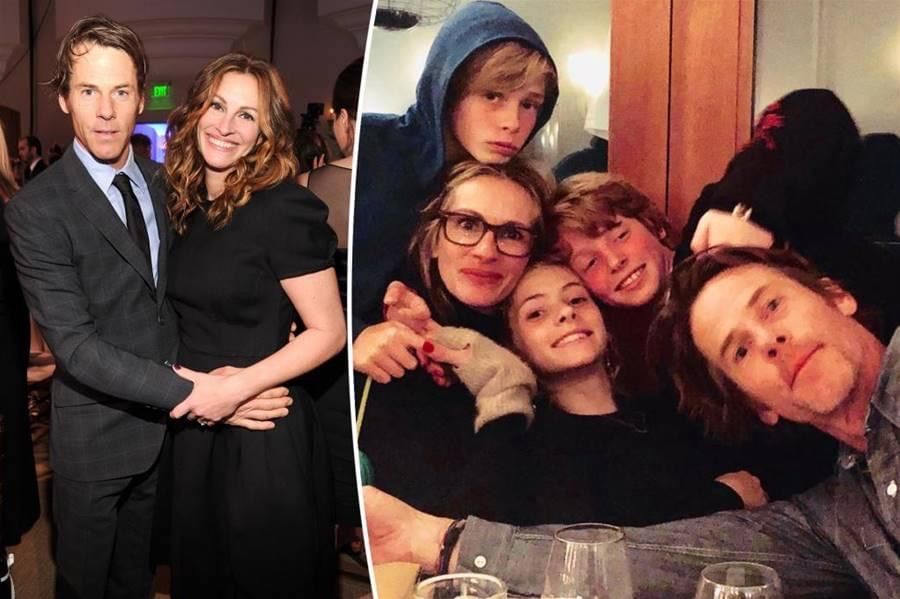
While AI-powered home automation and algorithmic childcare solutions flood the market, Julia Roberts makes a countercultural choice: she manually cooks, sews, and raises her kids herself. In an era where automation algorithms promise to optimize every aspect of domestic life, Roberts opts out entirely. Her stance reveals a critical gap in our tech-obsessed culture—some things algorithm-driven systems actually damage rather than improve.
By YEET Magazine Staff | Updated: May 13, 2026
Most high-net-worth celebrities delegate everything. They outsource to AI scheduling systems, robotic home management, algorithmic meal planning, and automated childcare coordination. Roberts does the opposite. She's not anti-tech; she's anti-outsourcing the stuff that actually matters.
The data around parental automation is telling. Studies show kids benefit from physical presence, manual attention, and unpredictable human interaction—none of which algorithms can replicate. A sewing session with mom doesn't optimize time; it wastes it. And wasting time together? That's where real connection lives.
Roberts' domestic routine looks laughably inefficient by Silicon Valley metrics. Hand-sewing takes hours. Cooking from scratch ignores meal-prep algorithms. But inefficiency in human relationships isn't a bug—it's the feature that matters.
The tech industry has spent decades convincing us that automation makes life better. Sometimes it does. But outsourcing motherhood to AI-driven systems while claiming it "frees up time" misses the point entirely. Roberts gets it: the time spent cooking and sewing isn't lost productivity. It's the actual product.
The Automation Paradox
We've built systems to optimize domestic labor. Smart home algorithms learn your preferences. Meal-delivery AI predicts your hunger patterns. Parental monitoring apps track children in real-time. None of this creates better families—it just creates busier ones.
Roberts represents a quiet rebellion against the assumption that all human work should be automated. She's essentially saying: some inefficiencies are worth keeping.
Why This Matters for the Future of Work
As workplace automation accelerates, Roberts' choice becomes a philosophical statement. If we automate everything, what stays human? When algorithms handle scheduling, AI manages communication, and data determines decisions, where's the space for genuine presence?
The future of work isn't just about what robots can do. It's about what humans should preserve. Roberts knows this instinctively. She's not outsourcing her motherhood to the cloud.
The Data Gap in Domestic AI
Home automation systems measure efficiency: energy saved, time optimized, tasks completed. But they can't measure what Roberts values: presence, attention, the specific way your mom makes your favorite meal because she's made it 1,000 times and knows exactly how you like it.
Algorithms excel at pattern recognition across millions of data points. They fail at the singular, irreplaceable patterns of individual human relationships.
Celebrity Choices and Cultural Signals
When billionaires and celebrities start rejecting automation, it signals a shift. The ultra-wealthy have always been trend-setters. If high-earners are choosing to do dishes instead of installing smart kitchen systems, the rest of the culture might follow.
This isn't anti-technology. It's pro-discernment. Roberts uses tech strategically while protecting the domestic sphere from algorithmic optimization.
What People Ask About Automation and Parenting
Can AI really replace human parenting? No. AI excels at monitoring (security cameras, location tracking) but fails at nurturing, which requires unpredictable human judgment and genuine presence. Algorithms can't know when a kid needs a conversation versus space.
Isn't hand-sewing and cooking just privilege? Partially, yes. Roberts has financial freedom most don't. But her point transcends privilege: the choice to spend time on things that don't optimize anything is about values, not just money. Anyone can choose presence over efficiency in small ways.
Does this mean we shouldn't automate anything? No. Automate what doesn't matter—email sorting, calendar management, repetitive data entry. Preserve what does matter—time with family, handmade things, unscheduled conversations.
Why are celebrities suddenly anti-automation? They're not anti-automation; they're anti-alienation. They've already automated everything possible and realized it made life worse, not better. They're now choosing friction in relationships while eliminating it elsewhere.
Is this a trend or a one-off? Watch. As tech burnout spreads and automation fatigue becomes real, more high-profile figures will make similar choices. It'll validate what people already sense: not everything worth doing is worth optimizing.
Related reading on automation and human values:
Why Workers Are Rejecting Workplace Automation (And What It Means for Future Jobs)