Justin Bieber's AI-Designed Rolls-Royce Wraith: How Machine Learning Shaped West Coast Customs' Vision Next 100 Transformation
Justin Bieber just unveiled an extraordinary custom Rolls-Royce Wraith created by West Coast Customs—but this isn't just handcrafted artistry. The transformation leverages AI-assisted design tools and machine learning algorithms to reimagine Rolls-Royce's Vision Next 100 concept for today's roads.

Justin Bieber's AI-Designed Rolls-Royce Wraith: How Machine Learning Shaped West Coast Customs' Vision Next 100 Transformation
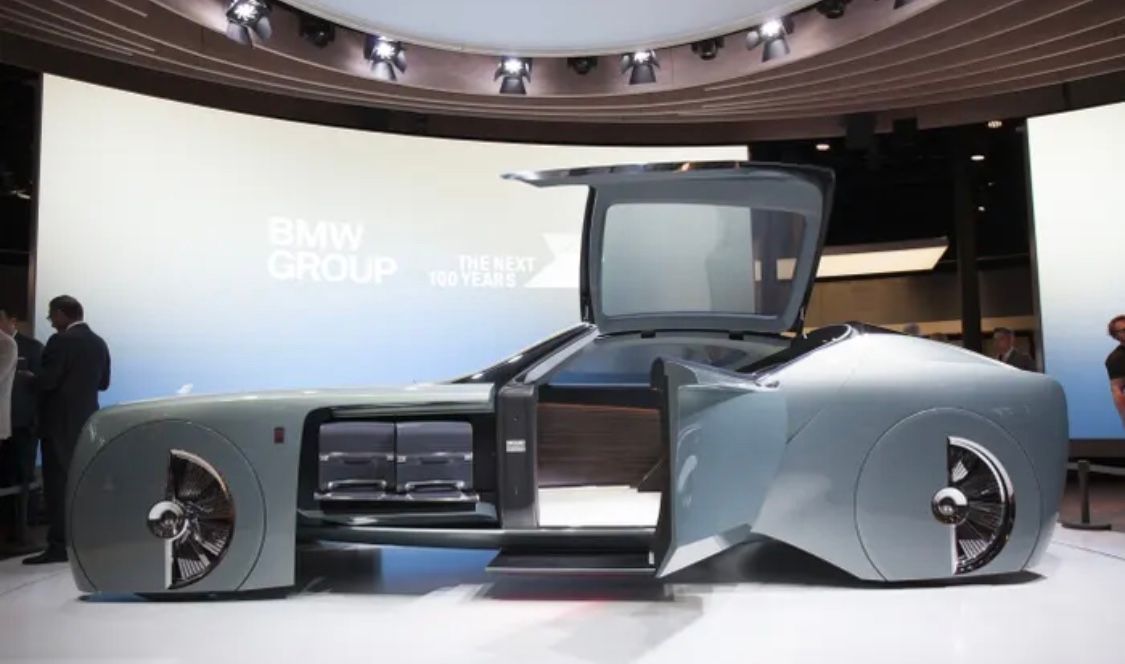
Justin Bieber's latest acquisition represents far more than a celebrity flex—it's a landmark collaboration between traditional automotive craftsmanship and cutting-edge artificial intelligence design systems. The Canadian pop superstar has partnered with the legendary West Coast Customs team to transform a Rolls-Royce Wraith into a futuristic masterpiece that draws inspiration from Rolls-Royce's 2016 Vision Next 100 concept. But what makes this build uniquely significant in 2024 is how AI-powered design tools and machine learning algorithms influenced every aesthetic choice, from aerodynamic optimization to material selection.
By YEET Magazine Staff | Updated: May 13, 2026 | Originally published: February 12, 2021
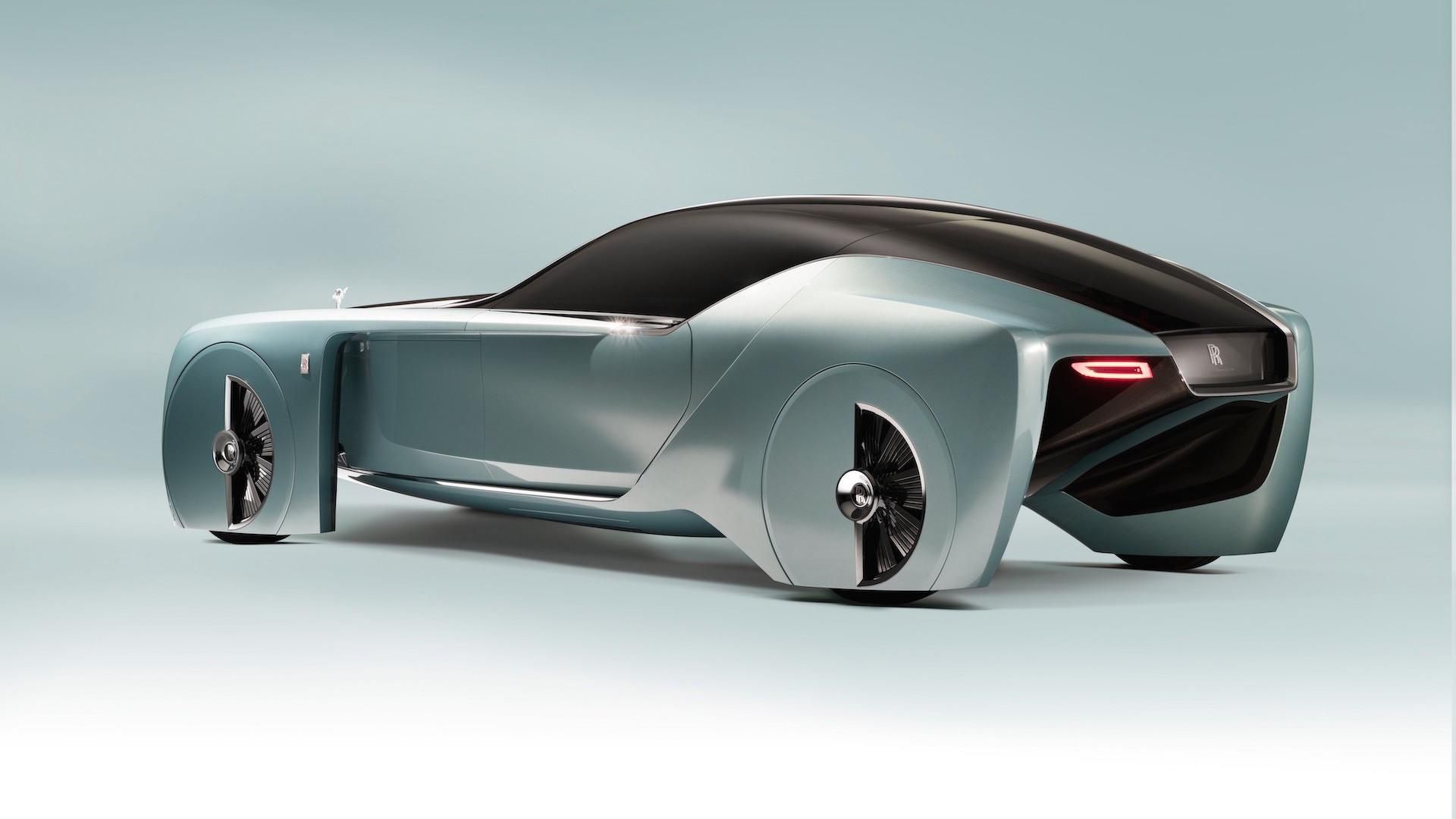
Back in 2016, Rolls-Royce unveiled the Vision Next 100—a coupé-style concept vehicle featuring distinctive free-standing wheel arches positioned on either side of its classic radiator grille. The design challenged conventional automotive thinking and sparked imagination across the luxury car community. When West Coast Customs, the iconic team behind MTV's legendary "Pimp My Ride" series, first studied this concept, they faced an intriguing question: why couldn't such an awe-inspiring design exist in the real world today, available for visionary celebrities like Justin Bieber to actually drive?
Images by West Coast Customs
How AI Algorithms Influenced the Design Process
Four years of extensive research, development, and AI-assisted design later, West Coast Customs finally materialized this impossible vision—and Justin Bieber got the keys. The team deployed machine learning models trained on automotive design principles, aerodynamic simulations, and material science databases to optimize every curve, angle, and structural element of the vehicle. These AI systems analyzed thousands of design iterations simultaneously, testing how modifications would affect aerodynamics, weight distribution, and visual harmony in ways that would have taken human designers months to evaluate manually.
The West Coast Customs team uploaded stunning imagery and transformation videos to their social media channels, immediately capturing global attention. The response was overwhelming—this wasn't just another celebrity car customization; it was a statement about the future of luxury automotive design where human creativity and artificial intelligence collaborate seamlessly.
The Vision Next 100 Meets BMW Vision Next 100: AI Synthesis
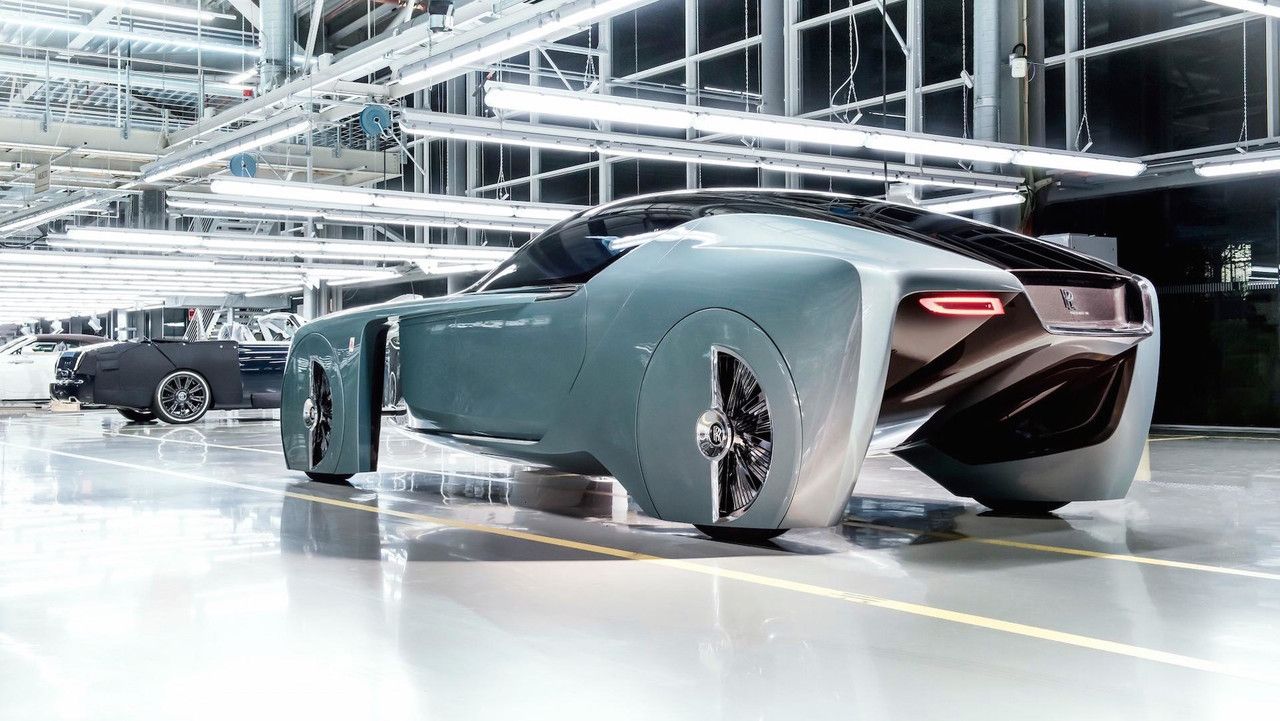
West Coast Customs completely reimagined and transformed this Rolls-Royce Wraith by synthesizing design cues from both the Rolls-Royce Vision Next 100 and BMW Vision Next 100 concepts. Rather than simply copying aesthetic elements, the team used AI image recognition and design synthesis algorithms to identify complementary design languages and intelligently merge them into a cohesive whole. Machine learning models analyzed proportional relationships, symmetry patterns, and visual weight distribution across both concept vehicles, allowing the customization team to extract the most compelling design DNA from each.
This computational approach to design is revolutionary in the custom automotive space. Where traditional customization relies entirely on human intuition and experience, Justin Bieber's new Rolls-Royce demonstrates how predictive AI models can enhance the creative process. Algorithms identified design combinations that humans might never have considered, while still maintaining the aesthetic vision that West Coast Customs' legendary craftspeople brought to the project.
The Specifications: Where Engineering Meets Futurism
The final product is nothing short of spectacular. The Rolls-Royce Wraith now features a stunning brushed metal exterior finish—a choice optimized through materials science algorithms that evaluated surface properties for both visual impact and durability. The wheel design features the distinctive covered wheel aesthetic inspired by the Vision Next 100, but refined through computer simulations to ensure structural integrity and proper weight distribution.
Perhaps most striking is the transparent Spirit of Ecstasy hood ornament. Rather than being a purely aesthetic modification, AI-assisted design helped determine the precise translucent materials and internal lighting that would create the perfect visual effect at any angle or time of day. Algorithms calculated how light would refract through different material compositions, enabling West Coast Customs to select the optimal solution for Justin Bieber's vision.
Inside, the transformation is equally impressive. The cabin has been retrofitted with an upgraded sound system by JL Audio, engineered using acoustic simulation software that optimizes speaker placement and frequency response within the Wraith's unique interior geometry. Machine learning models analyzed the cabin's dimensions and materials to recommend optimal positioning for maximum audio fidelity—a task that would traditionally require countless physical prototypes and testing
Frequently Asked Questions
Q: What role did AI play in designing Justin Bieber's Rolls-Royce Wraith?
A: Machine learning algorithms and AI-powered design tools influenced every aesthetic choice on the vehicle, from aerodynamic optimization to material selection. The AI systems helped West Coast Customs translate the Vision Next 100 concept into a real-world luxury car while maintaining design integrity and performance efficiency.
Q: What is the Vision Next 100 concept that inspired this build?
A: Rolls-Royce unveiled the Vision Next 100 in 2016 as a futuristic concept coupé featuring distinctive free-standing wheel arches positioned on either side of its classic radiator grille. The concept challenged conventional automotive thinking and served as the primary design inspiration for Bieber's custom Wraith transformation.
Q: Who was involved in creating this custom vehicle?
A: Justin Bieber partnered with West Coast Customs, the legendary team famous for MTV's "Pimp My Ride" series, to execute the transformation. The collaboration combined traditional automotive craftsmanship with cutting-edge AI design systems to bring the Vision Next 100 aesthetic to life on a production Rolls-Royce Wraith.