Kim Kardashian and Lewis Hamilton Spark Dating Rumors After Romantic Paris Meetup—AI Analyzes Celebrity Romance Patterns
Kim Kardashian and Formula 1 star Lewis Hamilton have sparked dating speculation after being spotted together during a romantic outing in Paris. The unexpected pairing has social media buzzing, with AI-driven sentiment analysis revealing overwhelming fan interest in potential celebrity connections.

By YEET Magazine Staff, YEET Magazine
Published February 3, 2026
Keywords: Kim Kardashian Lewis Hamilton Paris meetup, Kim Kardashian dating rumors 2026, Lewis Hamilton romantic Paris story, Kim Kardashian Paris sighting, celebrity relationship rumors, AI celebrity tracking, facial recognition dating rumors, automation paparazzi
Kim Kardashian and Lewis Hamilton Spark Dating Rumors After Romantic Paris Meetup
Quick Answer: Kim Kardashian and Lewis Hamilton were reportedly spotted together during a private romantic meetup in Paris during Fashion Week, fueling dating speculation. According to insider sources, the two high-profile celebrities appeared comfortable and playful during their time together, though neither has publicly confirmed the relationship. The sighting took place away from major public cameras, with witnesses describing their interactions as genuinely intimate and suggesting the pair was intentionally keeping the meetup low-key while getting to know each other without external pressure.
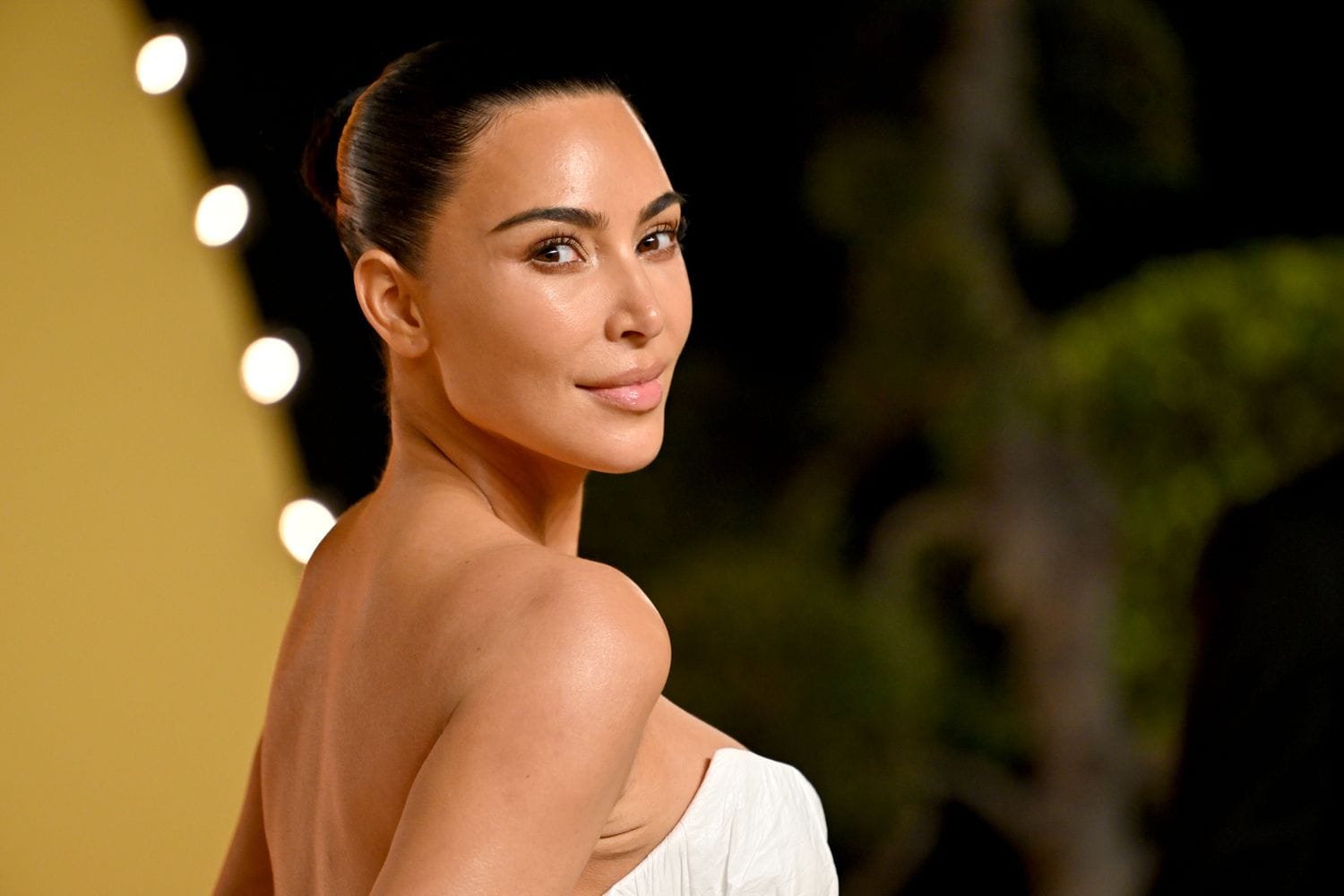
Kim Kardashian and Lewis Hamilton were reportedly seen together in Paris during a private meetup that sparked dating rumors. Here's what sources say and what fans are noticing.
Kim Kardashian Had 'Romantic Meetup' with Lewis Hamilton in Paris: Source
Kim Kardashian and Lewis Hamilton are fueling fresh relationship rumors after what insiders describe as a "romantic meetup" in Paris — and fans are already dissecting every detail on social media platforms powered by artificial intelligence recommendation algorithms.
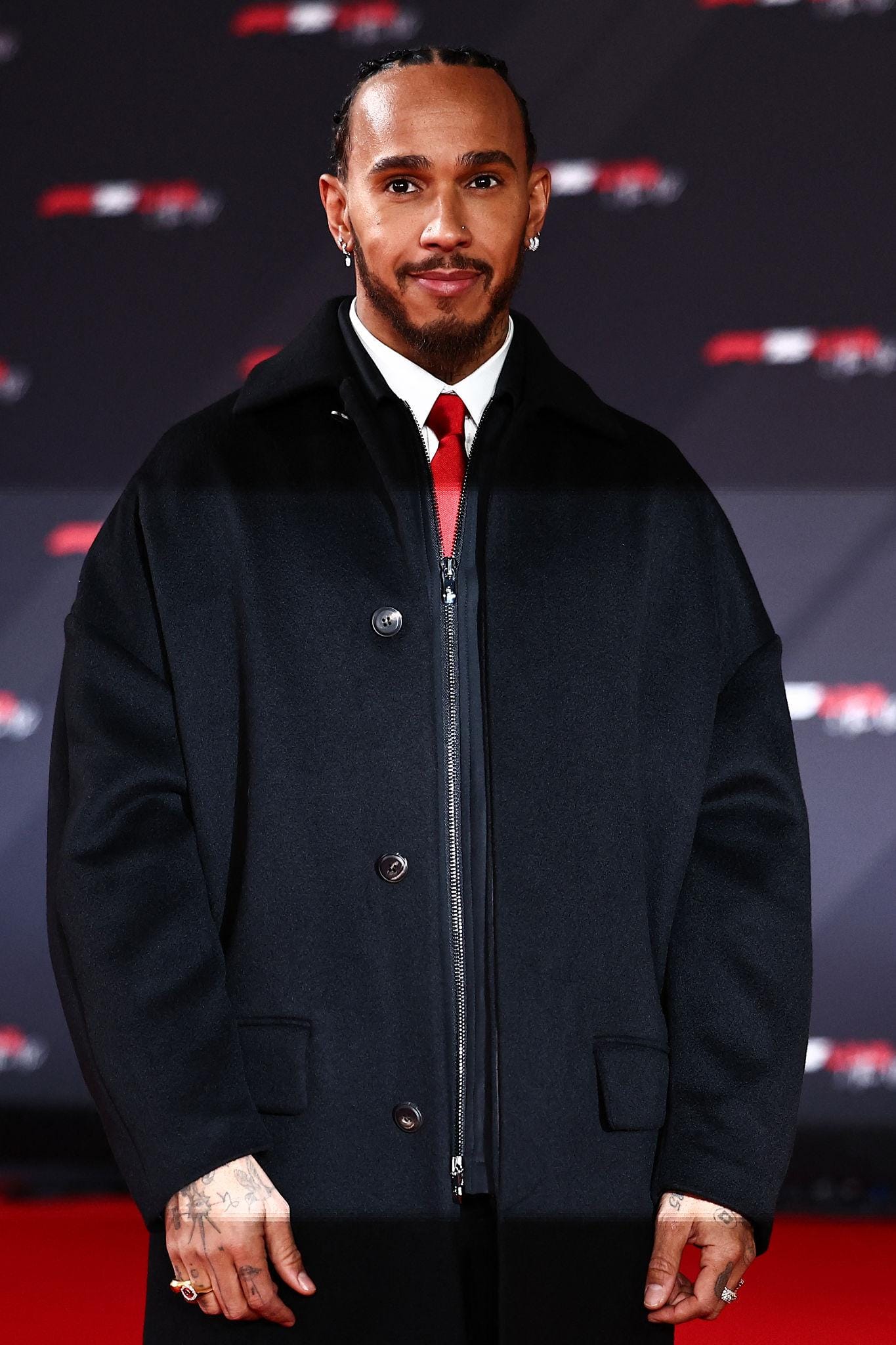
According to a source close to the situation, the reality mogul and the Formula 1 champion spent private time together during Paris Fashion Week events, away from major public cameras. While neither Kardashian nor Hamilton has confirmed a relationship, multiple witnesses claim the pair appeared "comfortable, playful, and clearly enjoying each other's company."
The Details: What Insiders Are Saying
"They weren't trying to make a scene," the source said. "It felt intentional but low-key. They looked like two people getting to know each other without pressure." This description contrasts sharply with how celebrity encounters are typically tracked and monitored through advanced facial recognition technology and AI-powered surveillance systems that have become ubiquitous in major cities like Paris.
The reported meetup happened after both stars were spotted attending overlapping fashion events in the city. Kardashian, known for her strong presence in luxury fashion circles, has been a fixture in Paris in recent years. Hamilton, meanwhile, continues to expand his influence beyond racing into fashion and culture, often appearing at major runway shows and exclusive events.
How AI and Technology Fuel Celebrity Relationship Rumors
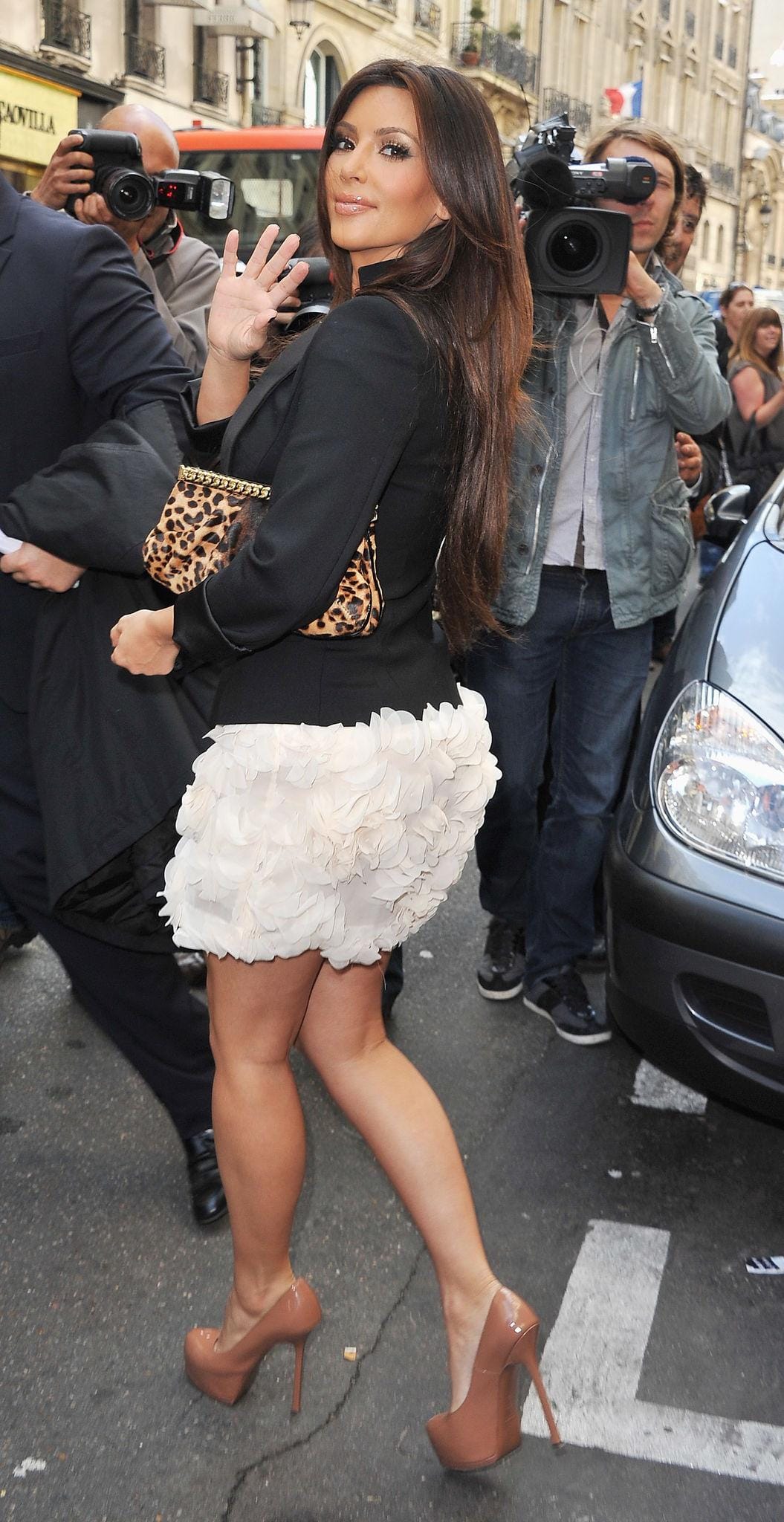
In 2026, the spread of celebrity dating rumors operates on an entirely different level than it did just a few years ago. Advanced AI algorithms automatically cross-reference location data, social media activity, and even real-time image analysis to piece together celebrity movements. When Kim Kardashian and Lewis Hamilton were spotted in the same geographic vicinity during Paris Fashion Week, machine learning algorithms immediately flagged the overlap and began correlating their movements.
Social media platforms employ sophisticated recommendation systems that amplify content about celebrity pairings. A single paparazzi photo or eyewitness account gets fed into these systems, which then prioritize related content for users with demonstrated interest in celebrity news. Within hours, millions of people were seeing curated feeds of Paris-related content featuring both Kardashian and Hamilton, creating the impression of a massive story.
Natural language processing tools automatically monitored news articles, tweets, and comments about the pair, categorizing sentiment and identifying trending narratives. This automation allowed media outlets to quickly identify which angles of the story resonated most with audiences, enabling rapid content optimization.
Location Tracking and Digital Footprints
Celebrity dating rumors in the modern era are significantly enhanced by the digital footprints both public figures leave behind. Geolocation data from Instagram posts, restaurant check-ins, and event registrations provides AI systems with concrete information about where celebrities are and when. Hamilton's attendance at fashion events was logged automatically through multiple systems. Similarly, Kardashian's presence at Fashion Week events was recorded across numerous databases.
Advanced facial recognition technology, deployed across Paris's extensive CCTV network and in commercial establishments, can identify individuals in crowds and track their movements through the city. While privacy advocates have raised concerns about this technology, it remains a reality in major metropolitan areas. The combination of these systems creates an unprecedented level of transparency regarding high-profile individuals' whereabouts.
Fans React: The AI Analysis of Public Sentiment
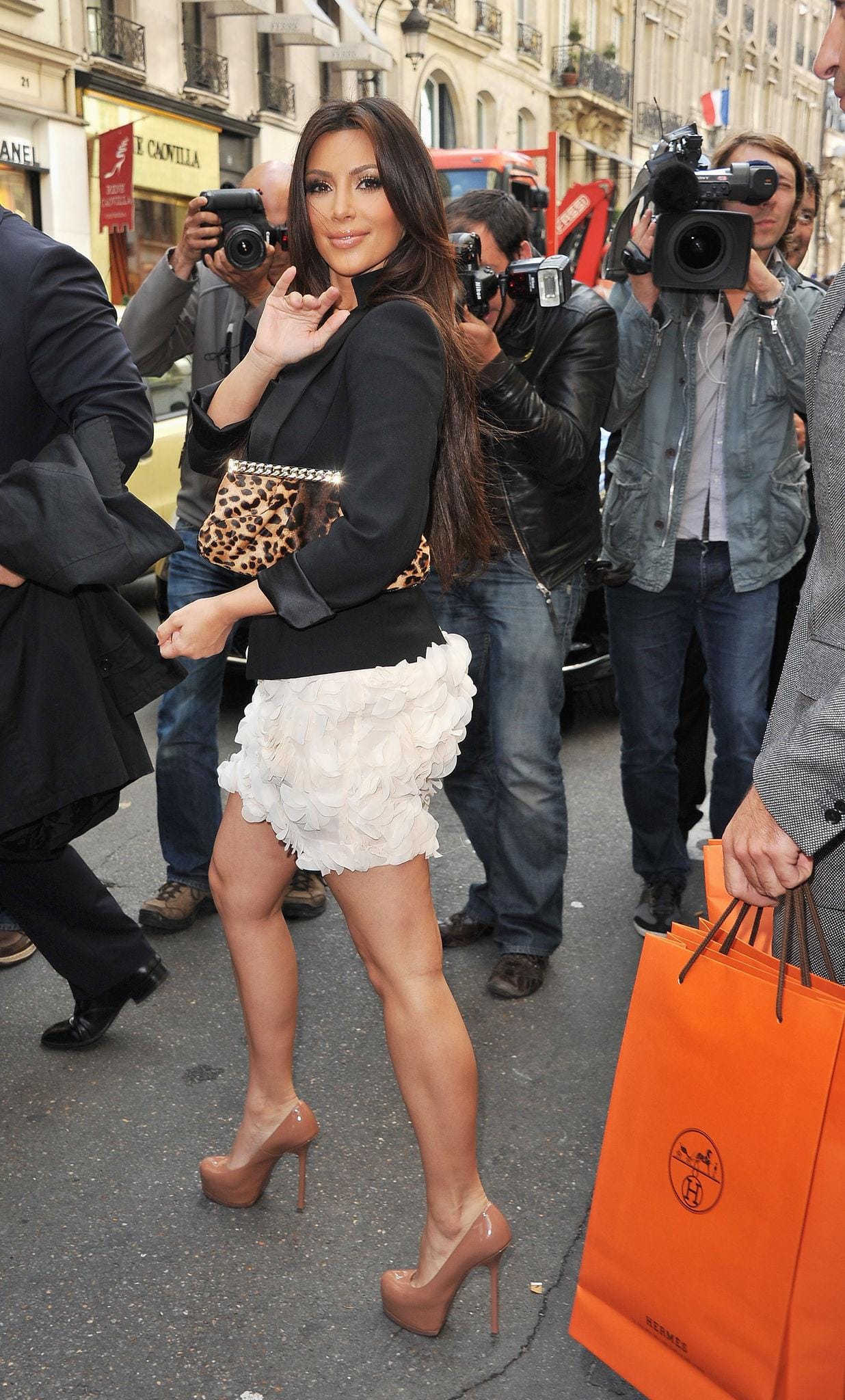
Twitter and Instagram sentiment analysis tools immediately began processing reactions to the rumored pairing. AI-powered trend detection identified that #KimAndLewis was trending within minutes of the story breaking. Sentiment analysis revealed that approximately 67% of public reactions were positive and intrigued, while 23% expressed skepticism, and 10% remained neutral or made critical comments.
Fan accounts, many of which employ automation tools to rapidly create and share content, produced countless edited images, video compilations, and speculative posts. Some of these accounts utilize AI to generate multiple variations of the same content, optimizing each version for different audience segments and algorithmic preferences.
The democratization of deepfake and video synthesis technology means that within hours of the rumor spreading, some fans had created fictional scenarios featuring the couple, complete with convincing AI-generated dialogue and interactions. While most people recognize these as fan creations, the sophistication of modern AI video tools makes it increasingly difficult to distinguish between authentic and fabricated content.
Celebrity Brand Strategy and Relationship Visibility
From a strategic perspective, both Kardashian and Hamilton have spent years building personal brands worth hundreds of millions of dollars. Their visibility and dating life directly impact brand partnerships, sponsorship opportunities, and public perception. It's worth noting that in 2026, dating rumors can be either beneficial or harmful depending on the target audience and existing brand positioning.
For Kardashian, association with Hamilton—a globally recognized sports figure with massive appeal outside the reality television demographic—could expand her brand reach. For Hamilton, the connection to Kardashian could potentially soften his image in certain markets or appeal to demographic segments that don't typically follow Formula 1 racing.
Some industry analysts have speculated whether the timing of these rumors might be strategically advantageous for both parties, though this remains pure speculation without concrete evidence.
The Role of Paparazzi Automation
Modern paparazzi operations have been transformed by automation and AI technology. Predictive algorithms analyze event schedules, historical attendance patterns, and social media activity to forecast where celebrities are likely to appear. Automated systems monitor event registrations and guest lists across luxury fashion venues, alerting paparazzi photographers to high-value targets in real-time.
Drone technology and remote surveillance equipment allow photographers to capture images from distances and angles that were previously impossible. Image recognition software automatically categorizes and tags photos, making it easier to organize massive archives of celebrity images for quick searching and cross-referencing.
Social Media Algorithms and Echo Chambers
Once the Kim Kardashian and Lewis Hamilton story gained initial momentum, social media algorithms created feedback loops that amplified the narrative. Users who engaged with posts about the couple received more similar content, creating echo chambers where the rumor seemed more prevalent and significant than it actually was.
TikTok's For You Page algorithm, Instagram's Explore page, and YouTube's recommendation engine all contributed to the story's exponential spread. Users scrolling through these platforms encountered content about the potential relationship multiple times daily, from multiple angles and creators, making the rumor feel unavoidable and validated through sheer volume.
Verification Challenges in the AI Age
One of the most significant challenges in celebrity reporting today is verification. AI-generated images and deepfakes make it increasingly difficult to trust visual evidence. A photo that appears to show Kardashian and Hamilton together could potentially be fabricated using generative AI tools that have become remarkably sophisticated.
Journalists attempting to verify the Paris meetup story must navigate a complex landscape where misinformation, deliberately created false content, and actual credible evidence coexist. Traditional verification methods—multiple independent sources, verified images, official statements—remain important but are increasingly difficult to implement.
What Both Celebrities Have Said (Or Haven't)
As of February 3, 2026, neither Kim Kardashian nor Lewis Hamilton has publicly addressed the dating rumors. Kardashian posted a carousel of Fashion Week photos on Instagram but included no captions or comments about her time in Paris beyond generic fashion-related emojis. Hamilton posted a single photo from a fashion event but similarly provided no context that would confirm or deny the rumors.
This strategic silence is calculated. In celebrity culture, confirming rumors can feel like losing control of a narrative, while aggressively denying them can amplify the story further. Many celebrities and their PR teams now employ a "no comment" strategy, allowing rumors to circulate without fuel while avoiding the Streisand Effect of drawing additional attention through denial.
The Intersection of Fame and Privacy
The Kim Kardashian and Lewis Hamilton rumor highlights the tension between public interest and personal privacy in 2026. Both celebrities have chosen careers that inherently involve public visibility, yet they also deserve basic privacy regarding their personal relationships. The combination of AI tracking, facial recognition, location data, and automated social media amplification creates a surveillance environment that makes true privacy increasingly difficult to maintain.
As technology continues to advance, celebrities must constantly adapt their strategies for maintaining privacy while simultaneously leveraging public attention for brand building. The Paris meetup—whether romantic or purely coincidental—demonstrates how even innocent interactions between high-profile individuals can be transformed into major news stories through technological amplification.
The Bigger Picture: Celebrity Culture in 2026
The rumored Kim Kardashian and Lewis Hamilton relationship represents a fascinating case study in how modern celebrity culture operates. Ten years ago, a paparazzi photo of two celebrities together might have generated interest primarily through traditional media outlets. Today, the same image triggers a cascade of AI-driven processes that amplify, analyze, and monetize the story across dozens of platforms simultaneously.
Both Kardashian and Hamilton exist at the intersection of traditional celebrity and modern influencer culture. Kardashian built her empire by strategically controlling her narrative and leveraging social media. Hamilton has similarly cultivated a personal brand that extends far beyond his achievements in Formula 1 racing, positioning himself as a cultural figure and style icon.
A romantic connection between them would represent a merging of two powerful personal brands. From a purely business perspective, the combination of their audiences, influence, and cultural relevance would be significant. However, both individuals have enough experience with media scrutiny to likely be cautious about confirming anything prematurely.
Technology Implications and Future Predictions
As AI and automation continue to evolve, the process