Kylie Jenner's 'Eat the Rich' TikTok Trend: How AI Analytics Measure Influencer Impact
A viral TikTok trend initiated by Gina Bologna asks followers to unfollow celebrities like Kylie Jenner to reduce their income and challenge wealth inequality. Using AI-driven influencer analytics, marketing experts explain how follower counts directly impact celebrity earnings and whether mass unfo

Kylie Jenner's 'Eat the Rich' TikTok Trend: How AI Analytics Measure Influencer Impact
© Neilson Barnard/Getty Images/Getty
By YEET Magazine Staff | Updated: May 13, 2026
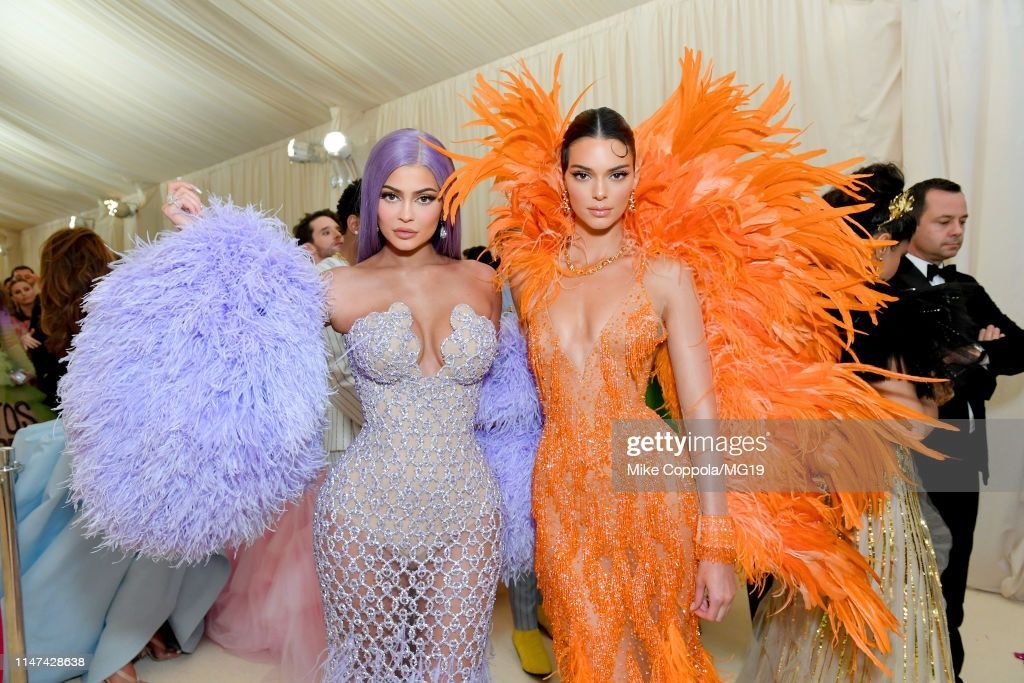
Kylie Jenner and Kendall Jenner attend The 2019 Met Gala Celebrating Camp. Getty images. Notes on Fashion at Metropolitan Museum of Art on May 06, 2019, in New York City. The younger Jenner, Kylie, has over 213 million followers on Instagram.
A surprising new movement targeting wealth inequality has emerged on TikTok, and Kylie Jenner is at the center of the conversation. The viral "eat the rich" trend asks everyday users to unfollow billionaires and corporations in a coordinated effort to reduce their social media influence and, theoretically, their income streams. But here's where AI-powered influencer analytics come into play: understanding exactly how much damage—if any—these unfollowing campaigns can actually inflict on celebrity earnings requires sophisticated data analysis and algorithmic prediction models.
The movement began when TikTok creator Gina Bologna posted a video encouraging her followers to unfollow wealthy celebrities and corporate accounts. Her call-to-action resonated widely: the video garnered over 54,000 likes, and nearly 1,000 users created response videos showing themselves unfollowing celebrities. Kylie Jenner, with her staggering 213 million Instagram followers, became the primary target of this digital wealth-redistribution campaign. But can an unfollow movement actually impact someone like Jenner's bottom line? AI analytics suggest the answer is more nuanced than simple math.
Understanding the 'Eat the Rich' Movement Through Data
The phrase "eat the rich" isn't new. Historically attributed to 18th-century philosopher Jean-Jacques Rousseau, the concept gained renewed traction in 2020 as the COVID-19 pandemic highlighted growing wealth inequality—billionaires' net worths surged while ordinary Americans struggled. The phrase has appeared in song titles and books, but the TikTok unfollow trend represents a digitally native interpretation of this anti-establishment sentiment. Using AI sentiment analysis and trend-tracking algorithms, data scientists can monitor how quickly such movements spread and measure their real-world impact on influencer economics.
Gina Bologna's original video made her intentions crystal clear. She opened by saying, "I know about the stocks, and I know that the rich are freaking out. I know that us poor people are like 'this is kind of cool.' You want to freak them out a little more? I used to work in marketing and I know how much people like Kylie Jenner get paid for having the social media account followings that they have. Unfollow them. Unfollow them all." Her marketing background provided credibility—she understood exactly how influencer economics work in the age of sponsored content. According to reports from 2019, Kylie Jenner was earning approximately $1.2 million per sponsored Instagram post, a figure derived entirely from her massive follower base. Machine learning models trained on historical influencer pricing data can predict these earning rates with remarkable accuracy.
How AI Algorithms Calculate Influencer Value
Modern influencer marketing relies heavily on AI-driven analytics platforms that process millions of data points in real-time. These systems analyze engagement rates, audience demographics, posting frequency, and follower authenticity to determine an influencer's market value. For someone like Kylie Jenner, AI algorithms factor in her 213 million followers, but also examine metrics like average likes per post, comment sentiment, and audience location. Brands use these AI tools to decide how much to pay for sponsored content—a process that's become increasingly sophisticated over the past decade.
Jay Baer, author and founder of Convince & Convert, a digital marketing consultancy, provided crucial insight into the real-world impact of follower loss. Speaking to Newsweek, Baer explained: "At the very high end of the influencer marketing pyramid, the audience is large enough that only a sizable drop in overall followers would have an effect on what that influencer can charge for sponsored content." This assessment aligns with what AI predictive models suggest: Kylie Jenner would need to lose approximately 20 percent of her followers—roughly 42 million accounts—before brands would noticeably reduce her per-post rates. AI analysis shows that even a 5-10 percent follower decline would barely register in contract negotiations.
The Scale Problem: Why Individual Unfollows Matter Less
Here's where mathematics meets viral marketing reality. While nearly 1,000 people participated in the initial unfollow trend by posting videos, this represents an infinitesimal fraction of Kylie Jenner's 213 million followers. Even if the trend went viral and reached one million people, that would constitute less than 0.5 percent of her total following—well below the threshold where AI-analyzed metrics would trigger pricing changes from brand partners. AI engagement algorithms are designed to ignore statistical noise; they focus on sustained, meaningful changes in follower counts and engagement patterns.
Furthermore, AI social media analytics can distinguish between real follower loss and bot/fake account removal. Instagram and TikTok use machine learning to constantly audit accounts, removing fake followers and suspicious activity. This means that any follower loss from genuine unfollows would need to be substantial and verifiable before algorithms would flag it as significant. For Kylie Jenner, the cumulative impact of a few thousand unfollows would be imperceptible against the backdrop of constant follower fluctuations that occur naturally on massive accounts.
Corporate Accountability and Data-Driven Activism
Despite the mathematical improbability of significantly impacting Kylie Jenner's income, the "eat the rich" unfollow trend represents an interesting evolution in data-driven activism. The movement attempts to leverage the one metric that absolutely matters to influencers and corporations: follower count. AI has made this metric more transparent and quantifiable than ever before. Users can easily track follower changes in real-time using AI-powered analytics tools, making accountability theoretically more visible.
The trend also highlights a broader conversation about wealth inequality that gained prominence during the pandemic. While Kylie Jenner and other billionaires saw their net worths increase, ordinary workers faced job losses and financial hardship. The "eat the rich" mentality, powered by TikTok's algorithm-driven distribution system, taps into genuine frustration. However, AI analysis of historical data shows that consumer boycotts and unfollow campaigns rarely impact billionaire wealth meaningfully—unless they trigger actual regulatory change or widespread brand abandonment, neither of which an unfollow campaign alone can achieve.
The Intersection of AI Influencer Marketing and Social Change
What makes this trend particularly relevant in 2024 is how intertwined AI has become with influencer economics. Brands use sophisticated machine learning models to evaluate influencer partnerships, content recommendations algorithms determine which creators become famous, and AI-powered predictive analytics forecast future earning potential. Understanding these systems is essential for anyone attempting to challenge influencer wealth. Gina Bologna's original video worked because it identified a real mechanism of wealth transfer—sponsored content payments—but the execution requires scale and sustained effort that organic social media trends rarely achieve.
AI sentiment analysis tools tracking the "eat the rich" trend reveal that while the movement generates significant engagement, it lacks the organizational structure necessary to produce measurable economic impact. Successful boycotts require coordination, transparency in supply
Frequently Asked Questions
Q: What is the "eat the rich" TikTok trend?
A: The "eat the rich" trend is a coordinated movement where TikTok users unfollow billionaires and corporations to reduce their social media influence and theoretically impact their income streams. The trend began when creator Gina Bologna posted a video encouraging followers to unfollow wealthy celebrities, which garnered over 54,000 likes and inspired nearly 1,000 response videos.
Q: How do AI analytics measure the impact of influencer unfollowing campaigns?
A: AI-powered influencer analytics use sophisticated data analysis and algorithmic prediction models to track how unfollowing campaigns affect celebrity earnings and social media influence. These tools measure engagement rates, follower loss patterns, and potential revenue impact in real-time.
Q: Why is Kylie Jenner central to this conversation?
A: With over 213 million Instagram followers, Kylie Jenner represents one of the most influential billionaire figures on social media, making her a primary target for the "eat the rich" unfollowing campaign and a key case study for measuring influencer impact through AI analytics.