Louis Vuitton New Bond Street: How AI-Powered Virtual Tours Transform Luxury Retail
Louis Vuitton's New Bond Street presentation in London now integrates AI-powered virtual tour technology, allowing global audiences to experience the brand's exceptional craftsmanship remotely. This innovative approach combines traditional luxury heritage with cutting-edge automation to redefine how

Louis Vuitton's flagship presentation at its New Bond Street House in London represents a pivotal moment where traditional luxury craftsmanship meets artificial intelligence and automation. The iconic French fashion house has transformed its London location into an immersive showcase that leverages cutting-edge AI technology to democratize access to its world-renowned artistry. This convergence of heritage and innovation demonstrates how even the most established luxury brands are harnessing automation to enhance customer experiences and expand their global reach beyond physical boundaries.
By YEET Magazine Staff | Updated: May 13, 2026 | Originally published: December 18, 2020
Louis Vuitton's New Bond Street: Luxury Craftsmanship Meets Digital Innovation
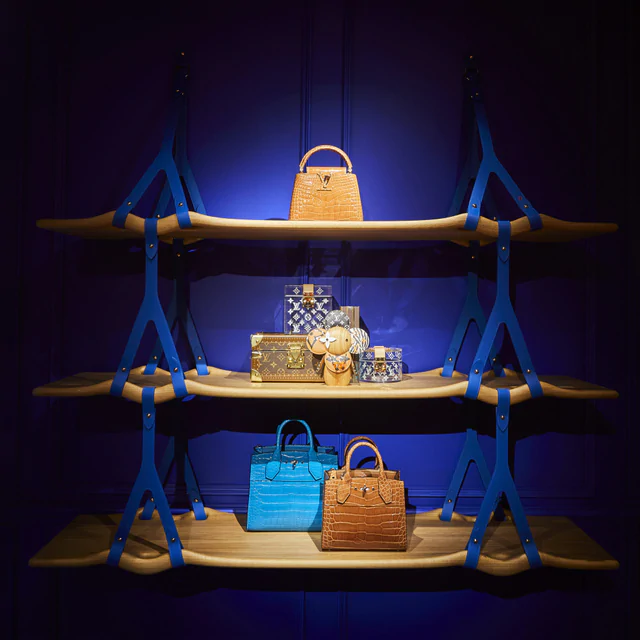
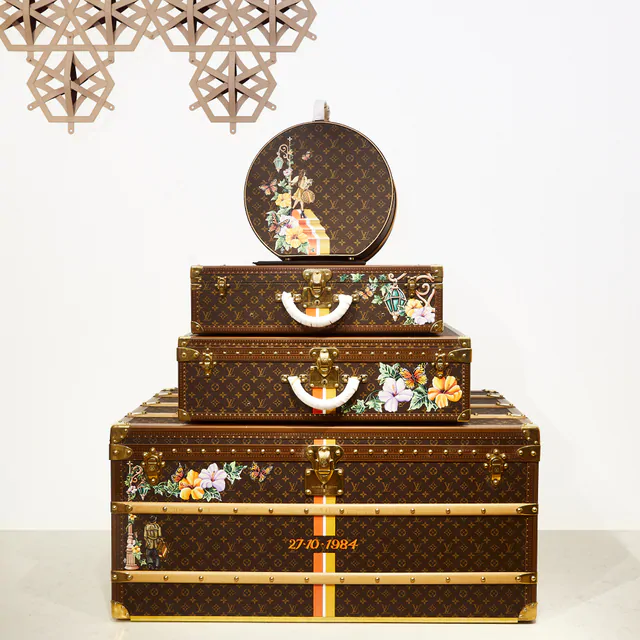
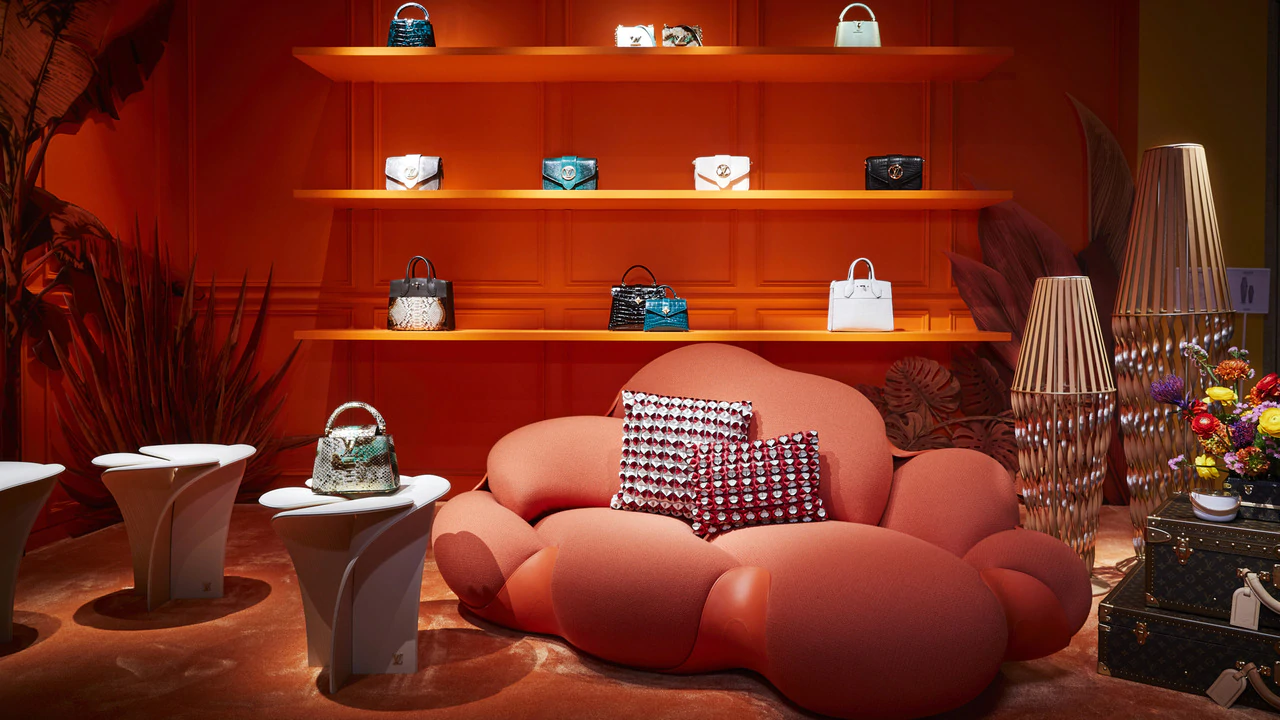
The Louis Vuitton New Bond Street House showcases an unparalleled collection of the maison's most prestigious creations, all housed within a specially transformed space inspired by the iconic Maison Vivienne trunk. Visitors—whether physically present or accessing through AI-enhanced digital platforms—encounter emblematic bags, precision timepieces, distinctive logos, luxury belts, exquisite bracelets, designer footwear, exclusive masks, high jewelry pieces, and rare exotic leather goods. Louis Vuitton's commitment to excellence is evident in every detail, and the integration of AI-powered presentation tools ensures that the brand's savoir-faire reaches audiences worldwide.
What sets this New Bond Street presentation apart is Louis Vuitton's strategic deployment of automation technology to preserve and amplify its heritage narrative. Rather than replacing human expertise, AI serves as a vehicle for storytelling, enabling the brand to reach collectors, enthusiasts, and potential customers across geographic and temporal boundaries. This approach reflects a broader industry shift where luxury retailers recognize that technology, when thoughtfully implemented, enhances rather than diminishes the perceived value of craftsmanship.
AI-Powered Virtual Tours: Redefining Luxury Retail Access
One of the most significant innovations at Louis Vuitton's New Bond Street location is the implementation of fully automated virtual tours powered by artificial intelligence. These aren't simple 360-degree camera feeds—they represent sophisticated digital experiences that leverage machine learning algorithms to guide visitors through meticulously curated spaces. The virtual tour technology enables seamless navigation from one gallery to another, allowing users to examine detailed product displays, access contextual information about manufacturing processes, and engage with content tailored to their interests.
The beauty of Louis Vuitton's AI-driven virtual presentation lies in its accessibility. No travel is required. Visitors can launch the interactive virtual tour remotely, moving fluidly between exhibition spaces and accessing comprehensive exhibits without geographic constraints. This democratization of luxury retail represents a paradigm shift in how heritage brands connect with global audiences. For customers unable to visit London, for researchers studying luxury brand strategy, and for enthusiasts seeking deeper understanding of Louis Vuitton's craftsmanship, these AI-powered tools provide unprecedented access to the brand's world.
How AI Technology Enhances the Louis Vuitton Brand Experience
Artificial intelligence plays multiple roles in Louis Vuitton's New Bond Street presentation strategy. Machine learning algorithms analyze visitor behavior patterns, allowing the maison to understand which products generate the most engagement and how audiences interact with different exhibition formats. This data-driven approach enables Louis Vuitton to continuously refine its digital presentations, ensuring that each piece of content delivers maximum impact and relevance.
Furthermore, AI-powered personalization systems can tailor the virtual tour experience based on visitor preferences, browsing history, and demonstrated interests. A collector of Louis Vuitton watches receives different contextual emphasis than someone primarily interested in exotic leather goods. This level of customization, managed through sophisticated automation, creates more meaningful engagements between the brand and its audience. The technology essentially enables the maison to provide individualized curatorial guidance at scale—something previously only possible through personal shopping appointments.
Frequently Asked Questions
Q: What AI technology does Louis Vuitton use at its New Bond Street location?
A: Louis Vuitton has implemented AI-powered virtual tours at its New Bond Street House in London, enabling immersive digital experiences that showcase the brand's collections and craftsmanship. These virtual tours allow customers to explore the flagship location and its prestigious creations through cutting-edge technology.
Q: How do virtual tours democratize access to luxury retail?
A: By offering AI-powered virtual tours, Louis Vuitton extends access beyond physical visitors, allowing a global audience to experience the brand's artistry and heritage remotely. This technology breaks geographical barriers and makes the luxury brand's world-renowned craftsmanship available to customers worldwide who cannot visit in person.
Q: Why are luxury brands like Louis Vuitton adopting AI and automation?
A: Established luxury houses are leveraging AI and automation to enhance customer experiences, expand their global reach, and stay competitive in an increasingly digital marketplace. This convergence of heritage craftsmanship with innovative technology allows brands to maintain exclusivity while democratizing access and creating new touchpoints for engagement.