MacBook Pro 16-inch Quality Control Crisis: Can AI Catch What Apple's QA Missed?
Apple's MacBook Pro 16-inch is plagued by audio popping and other quality control failures despite the praised Magic Keyboard upgrade. We examine how AI-powered quality assurance systems could detect these manufacturing defects before products ship to consumers.

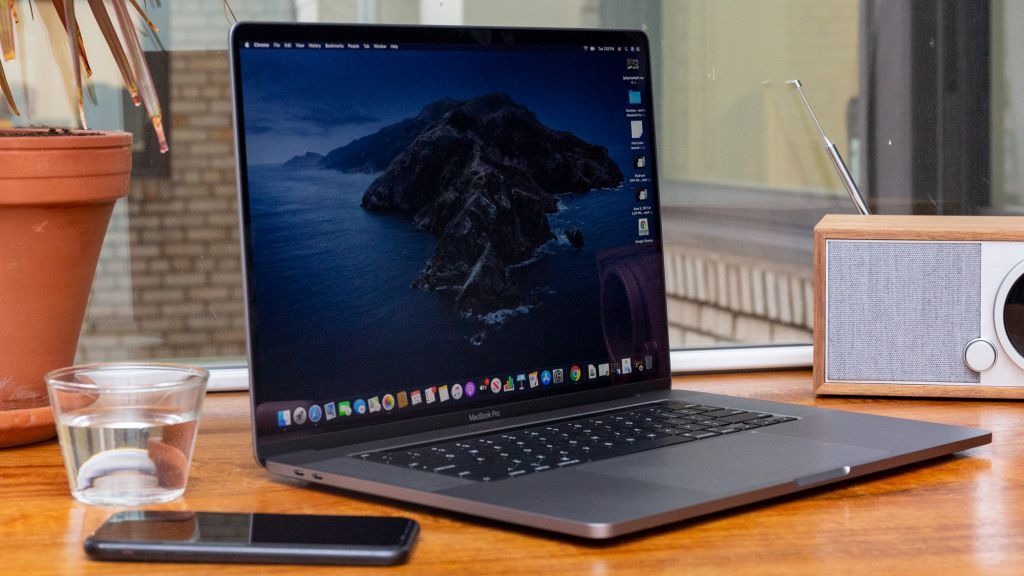
The MacBook Pro 16-inch promised to be Apple's redemption story after years of butterfly keyboard disasters. With the scissor-switch Magic Keyboard, stellar battery performance, and powerful M-series processors, the $2,400 machine seemed destined for glory. Yet Apple's quality assurance failures continue to undermine customer confidence, raising a critical question: Could artificial intelligence and machine learning systems prevent these expensive mistakes before they reach customers?
Recent reports reveal that the MacBook Pro 16-inch suffers from intermittent popping sounds during audio playback—a defect that audio professionals and power users find particularly frustrating. The issue manifests when stopping audio, skipping tracks, or closing audio applications, with the distortion apparently linked to speaker clipping when audio peaks exceed safe thresholds or when speakers are abruptly powered on and off. Multiple users across different platforms have documented this problem, suggesting it's not an isolated incident but a systemic manufacturing or firmware issue.
This isn't Apple's first rodeo with quality control disasters. The butterfly keyboard saga cost the company millions in repairs, recalls, and reputation damage. Yet here we are again—a new generation of MacBook Pro 16-inch devices shipping with defects that should have been caught during final manufacturing stages. The question isn't whether Apple can afford another PR nightmare; it's whether traditional quality assurance methods are simply inadequate for modern consumer electronics.
How AI Could Revolutionize MacBook Pro Manufacturing Quality
Traditional quality control relies on sampling—inspecting a percentage of units before shipment. This approach has inherent limitations: it's labor-intensive, prone to human error, and misses systemic defects that only emerge across thousands of units. Artificial intelligence and machine learning systems could fundamentally transform how Apple tests devices like the MacBook Pro 16-inch before they leave the factory.
Computer vision AI, trained on millions of component images, could inspect the MacBook Pro 16-inch's internal speakers, circuitry, and assembly quality at superhuman speed and consistency. These systems identify microscopic defects—misaligned speaker drivers, improper solder connections, thermal paste inconsistencies—that human inspectors might miss during their shift. Unlike tired QA employees, AI vision systems maintain 100% accuracy across millions of inspections without fatigue-induced errors.
Audio defect detection AI represents another frontier. Algorithms trained on reference audio samples could analyze the acoustic output of every MacBook Pro 16-inch unit during manufacturing, automatically flagging units with popping sounds, distortion, or frequency imbalances before they ship. Machine learning models could identify the root causes—whether firmware-related, speaker-related, or something else entirely—and trigger corrective action immediately rather than after customers report problems online.
Thermal and power management AI could simulate real-world usage patterns on the MacBook Pro 16-inch during the manufacturing stage, stress-testing hardware before it ships. These systems could identify thermal throttling issues, battery degradation patterns, or power delivery problems that might only emerge after weeks of customer use. Predictive analytics would flag units at risk of failure, enabling Apple to either fix them or prevent shipment entirely.
The MacBook Pro 16-inch Audio Issue: A Case Study
The intermittent popping sounds affecting the MacBook Pro 16-inch exemplify how AI could add value. This appears to be a firmware or driver issue—not necessarily a hardware defect. Yet it made it through Apple's current QA process and into customers' hands. An AI system trained on proper audio performance could test the MacBook Pro 16-inch's audio stack automatically, comparing its acoustic fingerprint against reference models and flagging deviations before shipment.
Such a system might also predict which units are susceptible to the issue based on component variations detected during assembly. Different speaker tolerances, driver firmware versions, or power delivery characteristics could predispose certain MacBook Pro 16-inch units to audio defects. AI pattern recognition could identify these risk factors and either correct them or prevent shipment.
Why Apple Hasn't Implemented AI Quality Control (Yet)
If AI-powered quality assurance is so effective, why does the MacBook Pro 16-inch still ship with defects? Several factors explain this gap. First, building AI systems requires massive upfront investment—training data collection, model development, integration with existing manufacturing lines. For Apple, the payoff must justify the cost, even when brand reputation is at stake.
Second, AI quality control requires real-time data integration with Apple's manufacturing infrastructure. The MacBook Pro 16-inch is built across multiple facilities by different contractors. Implementing AI systems across this fragmented supply chain presents logistical and security challenges. Apple guards its manufacturing process jealously, making third-party AI solutions risky.
Third, many of Apple's quality issues stem not from detection but from design. The butterfly keyboard was fundamentally flawed—inspection couldn't fix a bad design. The MacBook Pro 16-inch's audio issues might similarly reflect engineering choices rather than manufacturing errors. AI can't prevent a defective design; it can only catch the consequences.
The Future of MacBook Pro Quality Assurance
As the MacBook Pro 16-inch encounters more quality issues, pressure will mount on Apple to innovate its QA processes. The future likely involves hybrid systems: AI-powered automated inspection combined with strategic human oversight. Computer vision systems would handle repetitive, high-volume testing. Human engineers would focus on complex diagnostics and design validation.
For the MacBook Pro 16-inch specifically, Apple should implement real-time acoustic monitoring during manufacturing and burn-in testing. Firmware validation systems should test audio driver behavior under stress conditions before units ship. Thermal imaging AI could verify that cooling systems meet specifications across all production batches.
The MacBook Pro 16-inch's $2,400 price point demands excellence. When defects emerge, Apple's reputation suffers disproportionately—premium products should simply work. AI-powered quality assurance isn't a luxury; it's becoming a competitive necessity in the high-end computing market.
FAQ: MacBook Pro 16-inch Quality Control and AI
Q: Is the MacBook Pro 16-inch audio popping issue widespread?
A: Multiple users across forums and review sites have reported the intermittent popping sounds. While Apple hasn't released official numbers, the consistency of reports suggests it's not isolated. AI detection systems could identify the true scope of the problem.
Q: Can Apple fix the MacBook Pro 16-inch audio issue with a software update?
A: Possibly, if it's firmware-related. However, if the issue stems from hardware design or component variation, software fixes may only partially resolve it. AI analysis could distinguish between software and hardware root causes.
Q: How much would AI quality control cost Apple?
A: Initial implementation costs would be substantial—millions of dollars to develop and integrate systems. However, the MacBook Pro 16-inch alone costs Apple far more in recalls, repairs, and reputation damage from quality failures.
Q: Could AI quality control have prevented the butterfly keyboard crisis?
A: Partially. AI could have detected reliability issues during manufacturing stress testing. However, the butterfly keyboard's fundamental design flaws required engineering fixes, not just detection.
Q: When will Apple implement AI quality assurance for the MacBook Pro?
A: Apple already uses some automated testing, but comprehensive AI-powered QA across all products remains limited. Expect gradual implementation as the technology matures and costs decrease.
The MacBook Pro 16-inch's quality control problems represent an inflection point for Apple. As artificial intelligence becomes more sophisticated and affordable, the