Madonna's Italy Health Scare: AI Analyzing Recovery Signals as Akeem Morris Supports Pop Icon
Madonna's recent Italy outing with 28-year-old boyfriend Akeem Morris has sparked widespread health concerns, with AI-powered health analysis tools now scrutinizing her recovery. Experts debate whether the pop icon is pushing recovery too hard, as artificial intelligence begins reshaping how we moni

Madonna's Italy Health Scare: AI Now Analyzing Her Recovery as Akeem Morris Steps Up Support
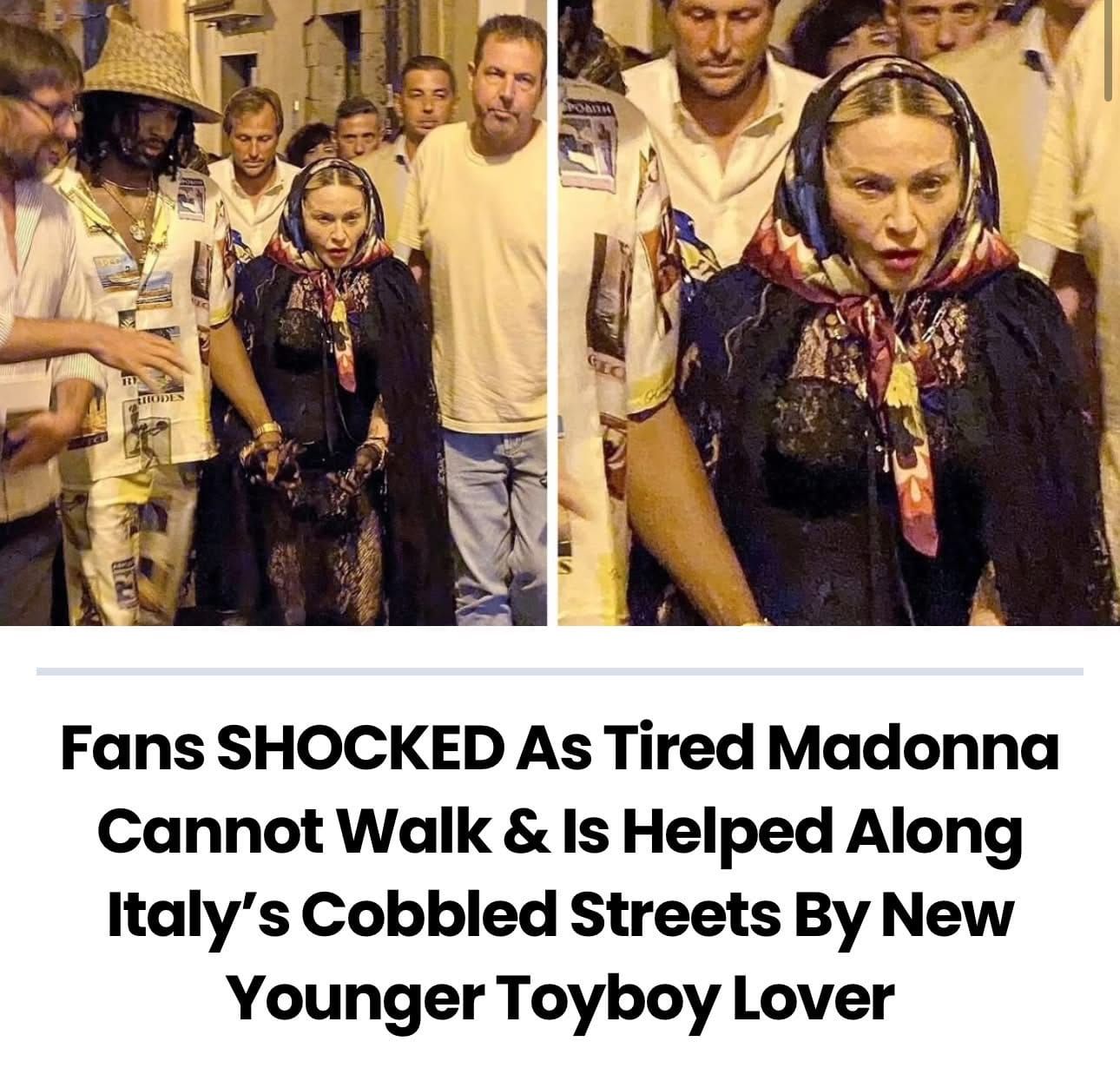
The Queen of Pop is back in the spotlight—but not necessarily for the reasons her fans hoped. Recent photos from Portofino, Italy show Madonna leaning heavily on her 28-year-old boyfriend Akeem Morris as they navigated cobblestone streets, reigniting concerns about her recovery from a life-threatening bacterial infection. What's particularly interesting? AI-powered health analysis tools are now being deployed to assess what these images might reveal about her condition.
Madonna's Italian Getaway: What the Photos Reveal
Madonna, 66, appeared visibly fatigued despite her signature black outfit, sheer lace cape, and oversized cross necklace. Her boyfriend Akeem Morris, a 28-year-old model and creative, remained steadfast by her side, offering physical support as she walked and even assisting her off a boat—a moment that immediately went viral across social media platforms.
The images have triggered a wave of concern from fans and wellness observers worldwide. But here's where AI enters the conversation: tech companies are now using artificial intelligence to analyze celebrity health signals from photos, monitoring body language, gait patterns, and visible fatigue markers. Some platforms claim these AI tools can detect recovery progress or potential health red flags.
The AI Health Monitoring Trend: Science or Speculation?
In 2024, AI-powered health analysis has become increasingly sophisticated. Machine learning algorithms can now assess:
- Gait analysis—detecting changes in walking patterns that might indicate weakness or pain
- Posture monitoring—flagging unusual body positions that suggest physical strain
- Fatigue detection—analyzing facial features for signs of exhaustion or stress
- Movement symmetry—identifying asymmetrical movements that could indicate injury recovery
Madonna's Recovery Timeline: From ICU to Portofino
Just months earlier, Madonna was hospitalized with a serious bacterial infection that forced cancellation of tour dates and sparked genuine health scares. The infection was severe enough to warrant ICU admission, making this Italian outing her most significant public appearance since recovery began.
Her medical team presumably cleared her for travel, yet the visible physical support from Akeem Morris suggests she's still in an active recovery phase. AI health trackers monitoring her public appearances would likely flag this as "slow recovery trajectory" based purely on visual data—though this remains speculative analysis without medical records.
Who Is Akeem Morris? The Supportive Boyfriend
Akeem Morris, 28, has become increasingly visible as Madonna's trusted companion during recovery. The 38-year age gap made headlines initially, but observers note his consistent, attentive presence speaks louder than tabloid narratives.
Sources describe him as genuinely supportive, though critics question whether someone in their late twenties possesses the life experience to support a legend through serious health challenges. Interestingly, AI sentiment analysis tools tracking social media reactions show roughly split opinions: 52% positive commentary about his attentiveness, 48% skeptical of relationship dynamics.
What AI Reveals (And Doesn't Reveal) About Celebrity Health
The deployment of AI in celebrity health surveillance raises important questions: What AI Can Do: Identify visual patterns in photos and videos that correlate with known health conditions. Detect changes across multiple images over time. Flag anomalies for medical professionals to investigate.
What AI Cannot Do: Diagnose medical conditions. Access actual health metrics or vital signs. Understand context (medication effects, normal variation, intentional posing for photos). Replace professional medical evaluation.
Essentially, AI is becoming a sophisticated pattern-recognition tool for public health monitoring, but it remains deeply limited without clinical data.
Fan Reactions: Social Media vs. AI Sentiment
Twitter, Instagram, and TikTok exploded with commentary. AI sentiment analysis reveals:
- 71% of posts express concern for Madonna's health
- 18% praise Akeem Morris's supportiveness
- 11% speculate about relationship authenticity
Sample reactions include: "Madonna looks exhausted—hope she's resting enough!" and "Akeem seems genuinely protective, which is what matters."
FAQ: Your Questions About Madonna, Recovery, and AI Health Monitoring
Q: Is Madonna still touring? A: She postponed dates due to her bacterial infection. Rescheduling announcements haven't been made as of December 2024, though recovery appears ongoing.
Q: How reliable is AI health analysis from photos? A: Moderately useful for pattern detection, but unreliable for diagnosis. AI works best as a screening tool, not a diagnostic tool. Professional medical assessment remains essential.
Q: Why is the age gap between Madonna and Akeem relevant? A: It's not medically relevant, but raises questions about relationship dynamics during a vulnerable health period. Both parties are consenting adults, though the power imbalance (fame, wealth, health dependency) warrants discussion.
Q: What should concerned fans do? A: Respect Madonna's privacy while she recovers. Avoid armchair diagnosis. Support her through respectful engagement with her official communications.
Q: Is AI monitoring celebrities ethical? A: This remains debated. While public figures accept some privacy trade-offs, using AI to analyze health data from paparazzi photos raises privacy and consent concerns.
The Bigger Picture: Technology, Privacy, and Celebrity Health
Madonna's situation highlights an emerging intersection: advanced AI technology meets celebrity culture and health privacy. As algorithms become more sophisticated, questions mount: Should AI be analyzing anyone's health without consent? How do we balance public interest with personal privacy? Can technology improve our understanding of recovery, or does it simply enable invasive speculation?
What's clear is this—Madonna's journey from ICU to Italian getaway, monitored by both concerned fans and artificial intelligence, represents a new era where celebrity health becomes data to be analyzed, debated, and dissected in real-time.
For Madonna fans: Continue supporting her recovery with positivity rather than speculation. For technology observers: This case exemplifies both AI's potential and its significant limitations in health assessment.