Luca Martorano & Mattia Albicini: How AI is Reshaping Italian Design's New Generation
Luca Martorano and Mattia Albicini are redefining Italian design through AI-augmented creativity. We sat down with DRAW's founders to explore how machine learning and generative algorithms are accelerating their design vision.


DESIGN + ARCHITECTURE + AI FUTURE
BY Paola Bapelle | YEET MAGAZINE | November 2024
How AI is Propelling Martorano & Albicini Into the Next Era of Italian Design
When Luca Martorano and Mattia Albicini founded DRAW in 2018, they were already visionaries. But today, these Milan-based product designers are doing something radically different: they're harnessing artificial intelligence to amplify their design philosophy, blending the Italian tradition of measured elegance with computational creativity.
The duo, who met in 2008 while working on the same Milan project team after graduating from Politecnico di Milano in 2005, have always shared a powerful synergy. But their latest evolution reveals something fascinating: they're not replacing human intuition with algorithms. Instead, they're using AI as a creative partner to accelerate iteration, optimize material efficiency, and explore design possibilities that traditional methods simply can't reach.
"DRAW was always about reduction—stripping away everything unnecessary," Martorano explained during our recent interview. "Now, AI helps us discover what 'necessary' really means. Generative algorithms can simulate thousands of design variations instantly, revealing patterns we'd spend months exploring manually."

The Three Strands of DRAW's Design Philosophy (Now With AI Integration)
DRAW operates across three interconnected design approaches, each now turbocharged by emerging AI technologies:
1. Reduction & Typological Essence
This strand focuses on distilling products to their functional core. AI now plays a crucial role here—machine learning models trained on material properties, ergonomic data, and production constraints can suggest optimal geometries that human designers might overlook. The result? Products that achieve maximum utility with minimum material waste.
2. Computational Elegance
Albicini emphasized that Italian design has always celebrated "composed and measured elegance." AI enables parametric design workflows where aesthetic rules can be algorithmically enforced across entire product families. This means consistency without monotony—each piece maintains DRAW's signature restraint while adapting to specific contexts.
3. Production-Intelligent Design
The studio now uses AI-powered simulation software to predict manufacturability before prototyping. This reduces waste, accelerates time-to-market, and ensures their designs can actually be produced at scale without compromise. It's the marriage of Italian craftsmanship and 21st-century efficiency.
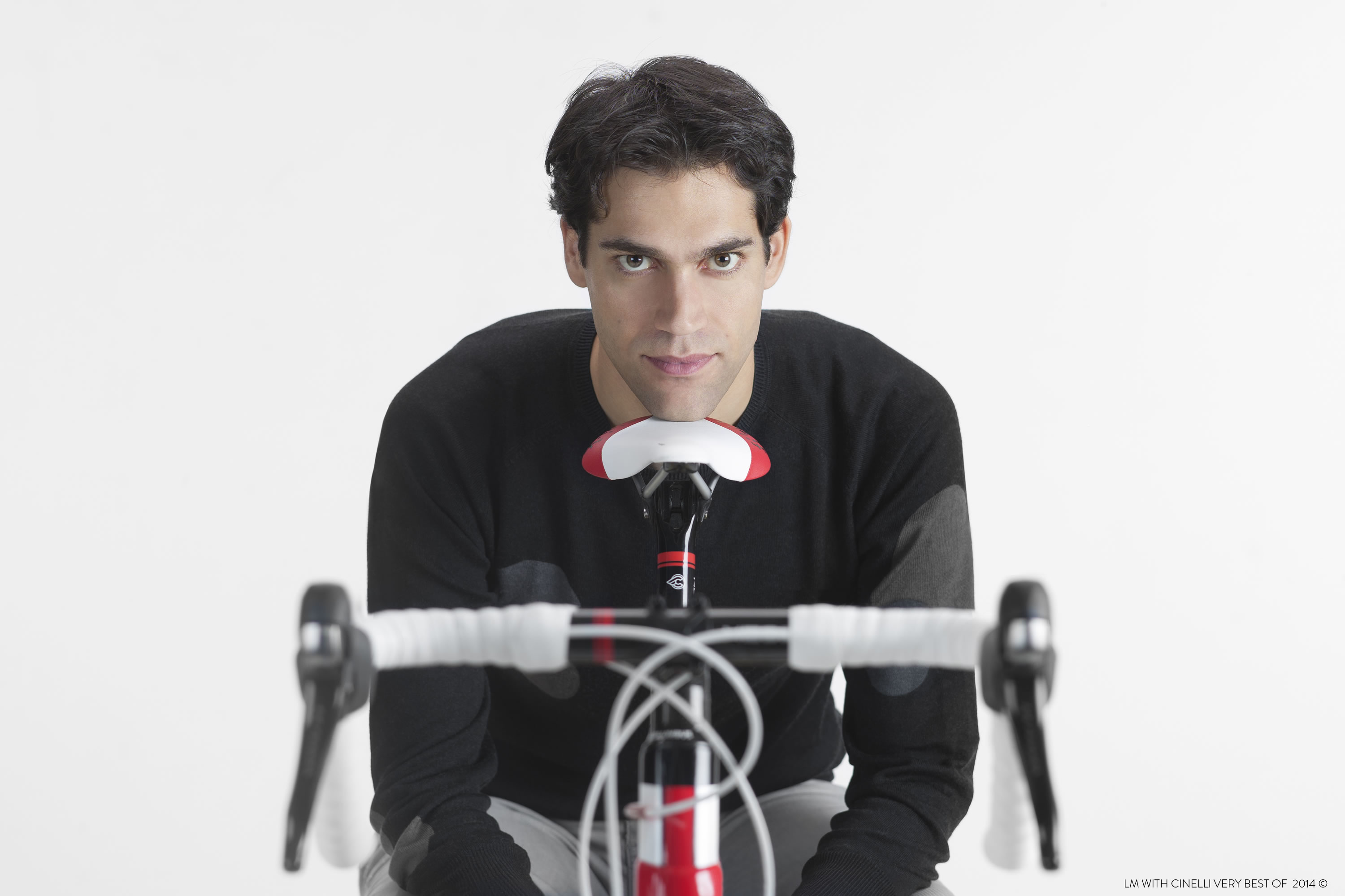
Why This Matters: The AI + Human Design Paradigm
The most compelling insight from our conversation: Martorano and Albicini view AI not as a replacement for creativity but as a democratizer of expertise. Traditionally, achieving DRAW's level of design sophistication required years of intuition-building. Now, junior designers in their Bolzano and Milan studios can leverage machine learning models to make more informed decisions faster.
"We're essentially encoding our design DNA into algorithms," Albicini said. "Junior team members can ask AI, 'How would DRAW solve this constraint?' and get instant feedback grounded in our studio's principles. It's like having mentorship at machine speed."
This approach has profound implications for the next generation of Italian designers. Rather than gatekeeping excellence, Martorano and Albicini are scaling it—making sophisticated design methodology accessible to a broader creative ecosystem.
The DRAW Studio Today: Hybrid Creative Workflow
Their current workflow illustrates the AI integration perfectly:
- Concept Phase: AI-powered mood boards and precedent analysis help establish design direction
- Exploration: Generative design tools create hundreds of variations based on constraints (cost, materials, ergonomics)
- Refinement: Human judgment filters AI suggestions, cherry-picking the most elegant solutions
- Validation: Machine learning models predict real-world performance (durability, manufacturing feasibility, sustainability metrics)
- Production: AI optimizes tooling, nesting, and supply chain logistics
What's remarkable is that this process hasn't diminished the "Italian spirit" Martorano and Albicini represent. If anything, it's amplified it. By outsourcing tedious optimization tasks to algorithms, they've reclaimed time for what makes Italian design iconic: the pursuit of timeless beauty through disciplined restraint.
Looking Ahead: DRAW's AI-Augmented Vision
The founders are bullish on emerging technologies. They're currently exploring neural networks trained on historical Italian design archives, creating tools that can suggest design directions aligned with their studio's evolutionary trajectory. They're also investigating AI's potential in sustainability—using predictive models to minimize material waste and maximize product longevity.
"The next generation of designers won't be those who can draw best," Martorano suggested. "They'll be those who can collaborate most effectively with AI while maintaining their unique vision. We're training our team for that reality now."
FAQ: AI in Design with DRAW Founders
Q: Does AI compromise the human touch that defines Italian design?
A (Albicini): Absolutely not. AI handles the brute-force optimization. What remains—the artistic decisions, the material choices, the philosophy—that's purely human. If anything, AI frees us to focus on these distinctly human elements.
Q: How do you ensure AI suggestions align with DRAW's design DNA?
A (Martorano): We train models on our completed projects, design principles, and rejected concepts. The algorithm learns not just what we make, but what we deliberately *don't* make. That negative space is crucial.
Q: What's the biggest misconception about AI in design?
A (Joint): That it's replacing designers. The opposite is true. AI eliminates grunt work, which means designers can spend more time on conceptual depth. The bottleneck was always calculation—not imagination.
Q: Are you worried about commodification? Won't AI-accelerated design flood the market?
A (Albicini): The speed increases, yes. But excellence becomes rarer. AI amplifies differences—good designers become great, mediocre design becomes obviously mediocre. We're betting on being unmistakably excellent.
The Bottom Line
Luca Martorano and Mattia Albicini represent a paradigm shift in global design leadership. They're not fighting technological change; they're leveraging it to amplify timeless principles. DRAW's commitment to reduction, elegance, and production integrity hasn't wavered—it's been supercharged.
For aspiring designers and industry observers, that's the real takeaway: the future isn't about choosing between human creativity and artificial intelligence. It's about which designers will learn to conduct this duet most beautifully.
DRAW's next major exhibition opens in Milan in Q1 2025, featuring an entire collection designed using their hybrid AI-human methodology.
Learn more about DRAW:
📍 Studios: Milan & Bolzano, Italy
🌐 Website: DRAW Design Studio (research current)
👥 Follow their latest projects on design platforms
📧 Collaborations & commissions inquiries welcome