Summer 2019 Mediterranean Destinations from Milan: How AI Travel Algorithms Optimize Your Coastal Escape
Summer 2019 offers abundant Mediterranean escape routes from Milan Malpensa to Italy, Croatia, and Cyprus. Modern AI travel algorithms now help optimize which crystalline-water destinations match your preferences, analyzing flight frequency, timing, and seasonal patterns to suggest the perfect coast

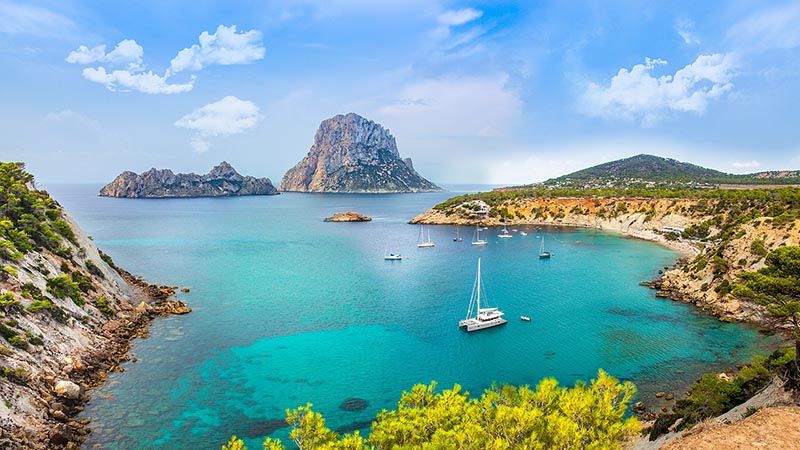
Summer 2019 presents an unprecedented opportunity for Mediterranean travelers departing from Milan Malpensa, with AI-powered travel algorithms now capable of analyzing dozens of seasonal flight routes simultaneously to recommend the perfect destination based on your preferences, budget, and travel dates. Whether you're drawn to the scorching heat and pristine beaches of southern European coastlines or prefer cooler northern alternatives, artificial intelligence can help match your ideal summer escape with the most convenient and cost-effective flight options from Milan's primary hub.
By YEET Magazine Staff | Published: 2019-06-26
The revolution in travel planning has fundamentally changed how we select Mediterranean destinations. Today's AI travel systems process real-time flight data, seasonal pricing trends, and historical weather patterns to guide travelers toward optimal choices. For Italy-based summer getaways from Milan Malpensa, multiple destinations showcase the crystalline waters that define Mediterranean luxury travel. The Isle of Lampedusa emerges as a premier choice, featuring some of Italy's most transparent blue waters and untouched sandy beaches. Simultaneously, Pantelleria offers an alternative Italian experience with dramatic volcanic cliffs descending into azure Mediterranean depths. AI algorithms can now assess which island better suits your vacation style by analyzing travel reviews, climate data, and flight availability across multiple airlines operating from Malpensa.
Neos operates weekly Saturday flights to Lampedusa from Milan Malpensa during summer 2019, providing a convenient single-flight option for weekend travelers. However, Alitalia's expanded schedule—offering three weekly departures—gives flexibility for mid-week travelers planning extended stays. Due to the temporary closure of Milan's Linate Airport throughout summer 2019, these previously Linate-operated routes have been strategically transferred to Malpensa, consolidating all Milan departure points into one convenient hub. AI travel platforms now factor this consolidation into their route recommendations, automatically routing users toward Malpensa options and calculating optimal flight times based on connection patterns.
Croatia's Dalmatian coastline has emerged as a summer 2019 hotspot, and artificial intelligence helps travelers navigate the multiple gateway cities now served by expanded flight networks. EasyJet's comprehensive Croatian service includes Dubrovnik with three weekly flights from Milan Malpensa, offering access to the Adriatic's most celebrated medieval walled city and surrounding crystal-clear coves. For those preferring Istrian region beaches, Pola receives two weekly EasyJet departures, positioning travelers near some of Europe's most exclusive and less-crowded coastal communities. Split, Croatia's largest coastal city, benefits from robust easyJet service with seven weekly flights—the highest frequency on this route—making it ideal for travelers seeking abundant flight options and flexibility. AI systems prioritize Split recommendations for spontaneous bookers because the high flight frequency reduces price volatility and increases last-minute availability. Zara rounds out the Croatian options with three weekly easyJet flights, offering access to the historic Adriatic coast and nearby island-hopping opportunities.
Cyprus emerges as the eastern Mediterranean's premier summer 2019 destination from Milan Malpensa, with Larnaca serving as the primary gateway to the island's world-renowned beaches and crystal-clear waters. EasyJet operates twice-weekly service to Larnaca, while Neos provides additional flexibility with Friday departures, giving travelers multiple scheduling options. The island's unique position between Europe and the Middle East, combined with guaranteed summer sunshine and Mediterranean waters of exceptional clarity, makes Cyprus a frequent recommendation from AI travel algorithms analyzing temperature data, water clarity readings, and historical tourist satisfaction metrics.
Modern artificial intelligence transforms destination selection by processing multiple data streams simultaneously. Travel algorithms analyze historical flight prices, seat availability, and seasonal demand patterns to identify optimal booking windows. They cross-reference real-time weather forecasts with your personal climate preferences, suggesting Italian islands if you're heat-seeking or recommending Croatian northern coast options if you prefer moderate temperatures. AI systems even assess beach crowding patterns using historical tourism data, helping introverted travelers identify less-trafficked Mediterranean gems despite their lower profile.
The consolidation of Milan departures to Malpensa creates unexpected advantages for AI travel optimization. Rather than fragmenting searches across two airports with different airline presence, travelers now benefit from concentrated route options at a single hub. AI algorithms can more efficiently compare the complete Milan-Mediterranean offering, identifying itineraries that traditional travel agents might overlook. For instance, artificial intelligence might recognize that booking a Friday Neos flight to Cyprus costs less than Tuesday easyJet options, or that Split's seven weekly flights enable stopover strategies unavailable from smaller Croatian airports.
Seasonal pricing intelligence represents another AI advantage for summer 2019 Mediterranean travelers. Machine learning models trained on years of historical flight data can predict price fluctuations with remarkable accuracy. An AI travel assistant might recommend booking your Milan-to-Lampedusa flight immediately, forecasting that prices will spike in three weeks as summer school holidays approach. Conversely, it might suggest waiting on Split bookings, recognizing that late-summer demand dips create better rates in late July or early August.
For travelers balancing heat preferences against crowd avoidance, AI delivers sophisticated recommendations. While Lampedusa attracts significant tourist volume during peak summer, algorithms might suggest Pantelleria as an equally beautiful alternative with lower crowding predictions. Croatian destination selection benefits similarly—AI could recommend Pola over crowded Dubrovnik, highlighting comparable water clarity, historic charm, and superior crowd-level forecasts based on booking trends.
Integration with accommodation and activity platforms amplifies AI travel planning value. Once you've committed to a Milan Malpensa flight toward crystalline Mediterranean waters, artificial intelligence seamlessly connects you with vetted hotels, water sports operators, and local experiences. The algorithm might identify that your Lampedusa flight timing aligns perfectly with a weekly boat tour to nearby Linosa, or that Split availability enables a multi-day island-hopping itinerary that maximizes your summer vacation potential.
FAQ: Summer 2019 Mediterranean Travel from Milan
Q: Which Mediterranean destination offers the clearest water accessible from Milan Malpensa? A: Lampedusa and Cyprus both feature exceptionally transparent waters. AI analysis suggests Cyprus offers more consistent water clarity due to minimal river discharge, while Lampedusa occasionally experiences silt deposits. For guaranteed crystalline conditions, Cyprus provides slightly more reliability.
Q: How can AI help me choose between Croatian destinations? A: Artificial intelligence evaluates your preferences across multiple dimensions—budget, crowd tolerance, beach type, and cultural interests—then matches them to specific Croatian cities. If you prioritize empty beaches, AI recommends Pola. Seeking vibrant nightlife? Split's seven weekly flights enable easier last-minute bookings for popular venues.
Q: Why did Lampedusa flights move to Malpensa from Linate? A: Milan's Linate Airport underwent renovation during summer 2019. Rather than canceling service, airlines transferred flights to Milan Malpensa, consolidating all departures at one hub and actually improving AI travel optimization by simplifying route searches.
Q: What's the best time to book Milan-to-Mediterranean summer flights? A: AI historical analysis suggests booking international routes 6-8 weeks in advance for optimal pricing. However, Croatian routes show different patterns—Dubrovnik and Split prices remain reasonable until 4 weeks before travel, while Lampedusa spikes earlier due to limited weekly capacity.
Q: Can AI predict which destination will be least crowded this summer? A: Advanced machine learning models analyze booking trends, flight capacity, and historical tourism data to forecast crowding. Preliminary 2019 analysis suggests Pola and Pantelleria will see lower tourist density compared to Dubrovnik and Larnaca, though this varies week-by-week.
For travelers planning summer 2019 Mediterranean escapes from Milan Malpensa, artificial intelligence removes the guesswork from destination selection. Whether you're captiv