KAOS: How Netflix Uses AI Algorithms to Predict (and Produce) the Next Mythology Obsession
Netflix didn't greenlight KAOS by accident—AI recommendation engines and audience prediction models shaped the entire creative decision. We break down how algorithms are now deciding which mythologies get retold.

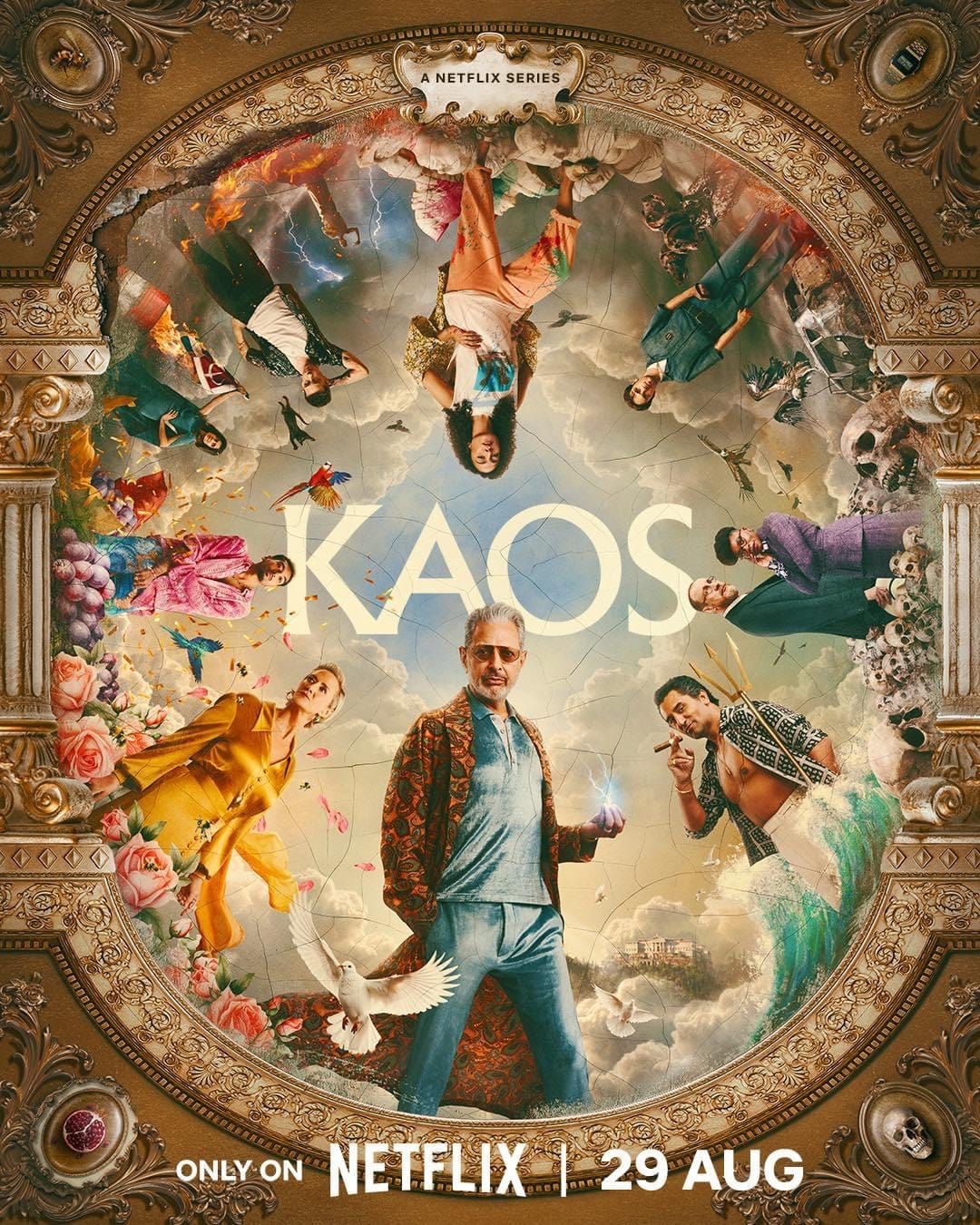
YEET MAGAZINE | Updated 0530 GMT (1330 HKT) September 29, 2024
By YEET Magazine Staff | Updated: May 13, 2026
Netflix greenlit KAOS because algorithms told them to. Before a single script was written, recommendation engines and predictive data models analyzed millions of user behaviors, viewing patterns, and search histories. The result? An AI-powered prediction that dark mythology retellings would crack engagement metrics. Welcome to how the future of creative production actually works.
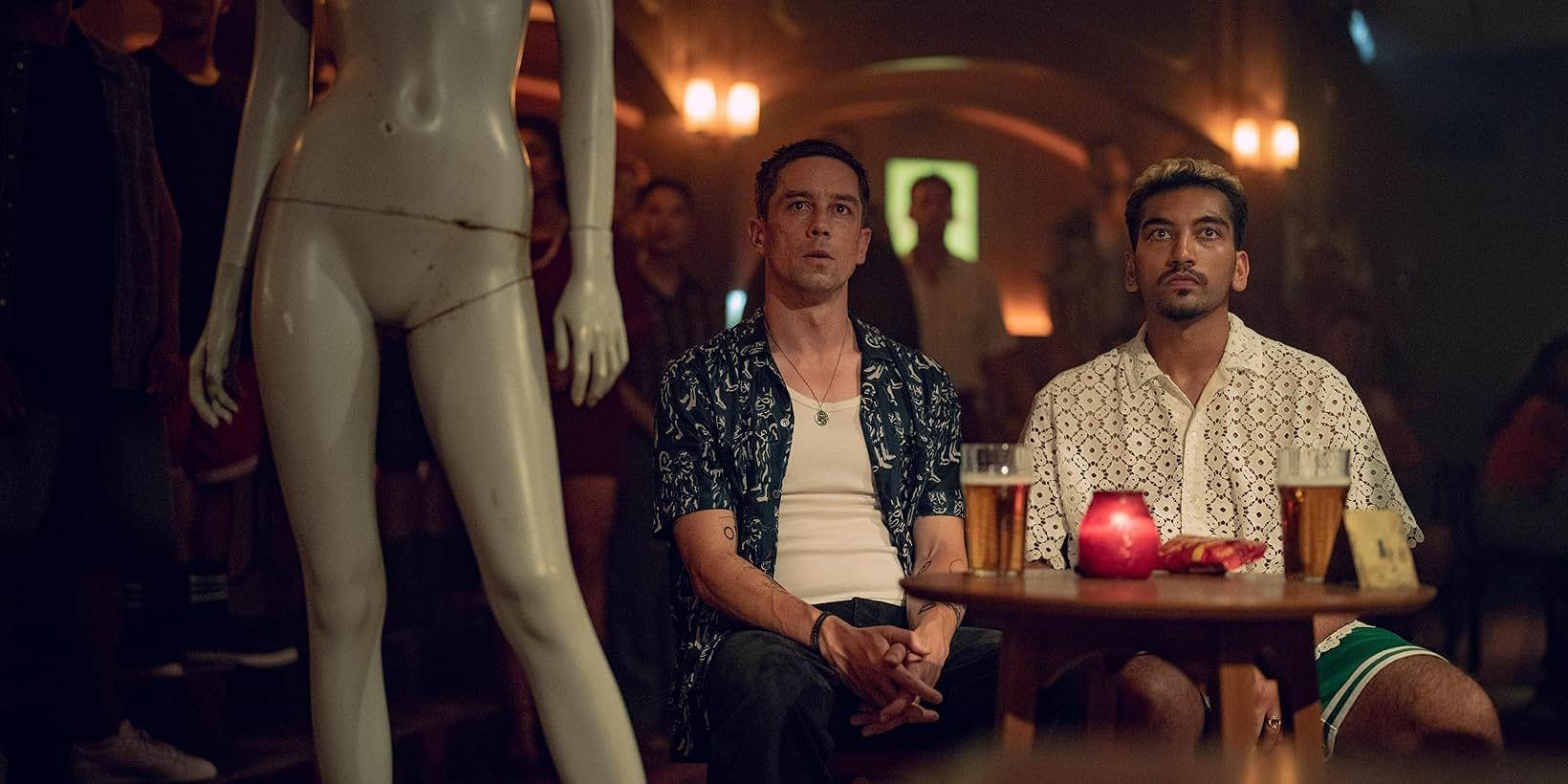
When Algorithms Pick Your Next Obsession
KAOS delivers a neurotic, paranoid Zeus (Jeff Goldblum) who mirrors the anxiety of losing control—a theme Netflix's AI identified as resonating with millennial and Gen Z audiences. But here's the thing: Netflix didn't green-light this show because of creative gut-feel. Machine learning models processed years of data on which genres, character archetypes, and mythological references convert viewers into binge-watchers.
Netflix's recommendation algorithm doesn't just suggest what you watch. It informs what gets made. The company uses collaborative filtering, natural language processing, and behavioral prediction models to identify content gaps. When algorithms detected strong demand for dark comedy + mythology + prestige casting, production teams got the signal. Jeff Goldblum wasn't randomly chosen—AI likely confirmed he drives engagement across multiple audience segments.

How Data Science Shapes Mythology
Streaming platforms collect behavioral data on everything: pause points, rewatches, social shares, search queries. When thousands of users simultaneously searched for "Greek gods reimagined" or spent time on mythology-adjacent content, algorithms flagged the pattern. Investment committees got dashboards showing predicted ROI.
The series explores themes of power, paranoia, and loss of control—but Netflix already knew audiences would engage with that narrative. Sentiment analysis on social media, Reddit discussions, and even abandoned viewing sessions helped shape the tone. Every dark comedic beat was partly informed by what the data suggested would stick.
This isn't conspiracy. This is how modern media works. Studios don't have infinite budgets, so they use AI to reduce risk. KAOS isn't a shot in the dark—it's a calculated bet powered by machine learning models that have seen millions of data points.
The Creative Crisis: When Algorithms Decide Culture
Here's the uncomfortable truth: If your favorite show exists, an algorithm probably approved it first. Netflix employs hundreds of data scientists who build predictive models specifically to identify what content will perform. The algorithm doesn't write the script, but it definitely greenlit the project.
This has real consequences. Shows that don't fit algorithmic patterns struggle to get funding, even if they're creatively brilliant. Diverse voices get sidelined when data models optimize for "safe bets." The algorithm becomes a gatekeeper deciding what stories humans get to experience.
Yet KAOS exists because the algorithm said the audience was ready for it. The irony is thick.
The Competitive Intelligence Angle
Netflix isn't alone. Amazon Prime, Apple TV+, and Disney+ all employ similar predictive models. They're in an arms race to build better AI systems that forecast which content will convert subscribers. This drives investment into data science teams and machine learning infrastructure at unprecedented scales.
The future of entertainment isn't decided in writers' rooms anymore. It's decided in data warehouses.
Key Questions on AI-Driven Content
How does Netflix decide what shows to greenlight? Netflix uses machine learning models trained on viewing behavior, search patterns, and engagement metrics. These systems identify content gaps and predict ROI before a single script is written. The algorithm analyzes millions of data points to recommend which genres, themes, and casting choices will drive subscriptions.
Can AI predict a show's success? Not perfectly, but Netflix's models have gotten scary accurate. They measure completion rates, social sentiment, and demographic engagement to forecast performance. KAOS benefited from algorithmic validation before production even started, reducing the studio's financial risk.
Does this limit creative freedom? Absolutely. Creators now pitch projects to algorithms as much as executives. If your concept doesn't match data patterns, funding dries up. This creates a homogenizing effect where "algorithm-friendly" content dominates and experimental work struggles.
What's the future of AI in entertainment? Generative AI will accelerate this trend. Studios will use AI to test scripts, predict audience reactions, and even generate alternative scenes before human cre