New York EDITION Hotel: AI-Powered Luxury Personalization for the Next Generation
The New York EDITION Hotel, housed in a restored 1909 Metropolitan Life landmark, now leverages AI-driven personalization to create bespoke luxury experiences. From algorithmic room customization to predictive concierge services, this Midtown gem exemplifies how artificial intelligence is transformi

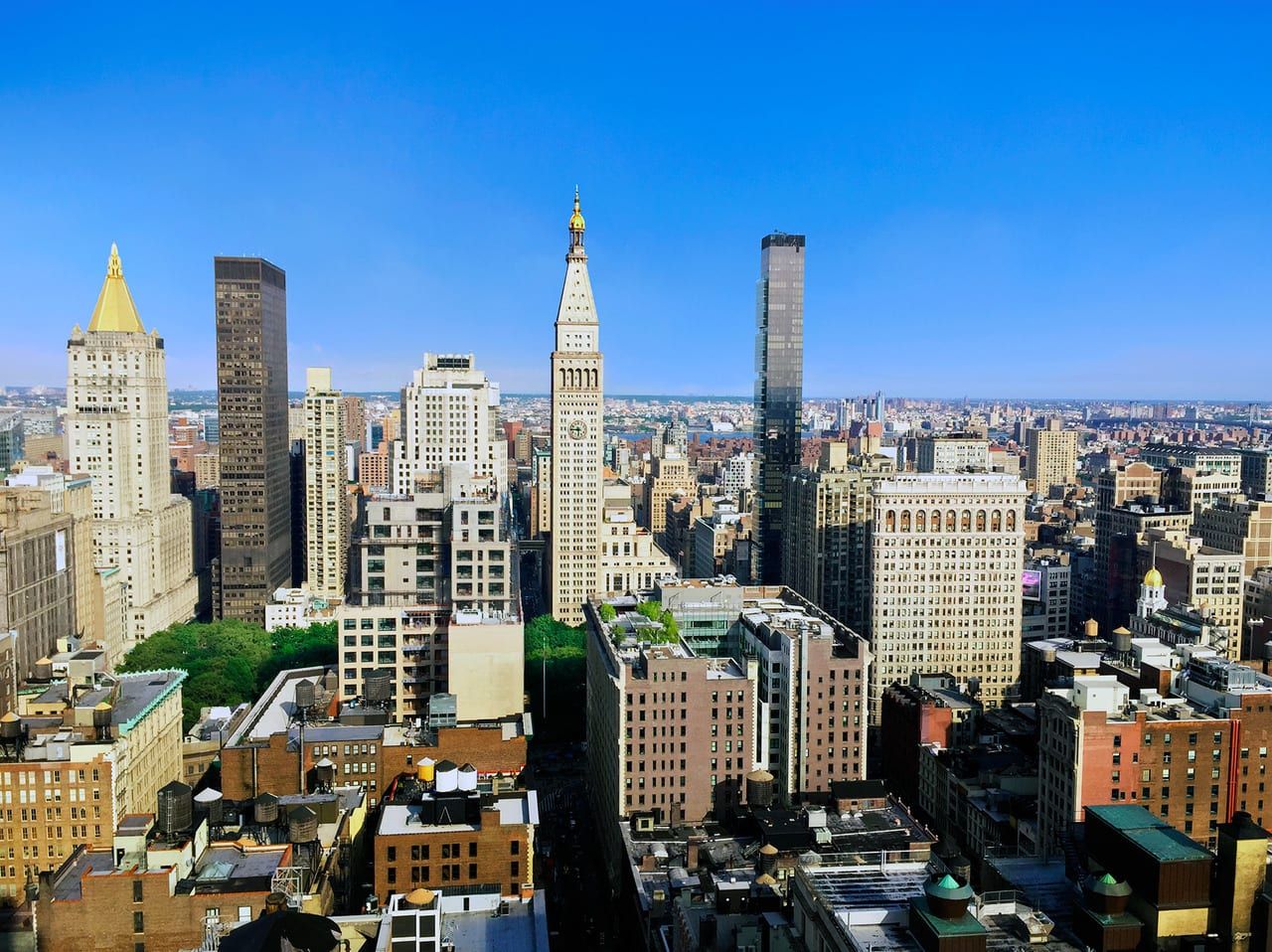
The New York EDITION Hotel seamlessly merges Ian Schrager's elegant design philosophy with cutting-edge artificial intelligence systems to create an unprecedented luxury experience in Midtown Manhattan. This iconic 1909 Metropolitan Life Insurance Company headquarters—once a symbol of American corporate might—has been ingeniously reimagined not just as a physical space, but as an intelligent ecosystem that learns and adapts to each guest's preferences in real-time.
By YEET Magazine Staff | Published: 2019-03-31
Originally constructed as the Manhattan clocktower landmark, the New York EDITION Hotel now represents a new paradigm in boutique hospitality: the marriage of timeless elegance with intelligent automation. The property features 273 unique guest rooms and suites, each enhanced with AI-powered climate controls, lighting systems, and entertainment options that automatically adjust based on guest behavior patterns and preferences. Machine learning algorithms analyze check-in data, previous stays, and preference profiles to customize everything from room temperature to pillow firmness before guests even arrive.
INTELLIGENT LUXURY MEETS HISTORIC ARCHITECTURE
The New York EDITION Hotel's design maintains its residential intimacy through AI-assisted personalization rather than generic automation. Dark oak wood-paneled foyers and oversize windows framing Madison Square Park, the Empire State Building, and the Manhattan skyline create stunning backdrops—while smart glass technology and AI-optimized lighting systems enhance these views throughout the day and night. The hotel's 5-star spa employs AI wellness consultants that analyze guest health data to recommend personalized treatments, while its Michelin-starred restaurant, helmed by Executive Chef Jason Atherton, uses predictive algorithms to anticipate dietary preferences and seasonal ingredient optimization.
What truly distinguishes the New York EDITION Hotel in today's luxury landscape is its commitment to using artificial intelligence as an invisible concierge layer. The property's AI-powered guest services platform learns from thousands of interaction data points—from room service preferences to restaurant reservation timing—to provide recommendations that feel deeply personal rather than algorithmically generic. When you return to the New York EDITION Hotel for a second stay, the system remembers not just your room preference, but the specific playlist you enjoyed, the breakfast items you ordered, and even the optimal times you prefer housekeeping service.
The Clocktower restaurant and bar at the New York EDITION Hotel exemplifies this AI-enhanced approach to hospitality. While Executive Chef Jason Atherton brings decades of culinary excellence, machine learning systems optimize inventory management, predict demand patterns, and even suggest menu innovations based on ingredient availability and guest feedback analytics. Diners benefit from a tasting experience that blends human creativity with data-driven precision.
AI-DRIVEN GUEST EXPERIENCE PACKAGES
The New York EDITION Hotel offers curated weekend experiences that incorporate AI trip planning. Whether exploring the Flatiron District's galleries, enjoying nightlife at The Clocktower, or accessing special amenities for traveling canine companions, the hotel's AI concierge suggests itineraries optimized for your interests, budget, and time constraints. Natural language processing algorithms analyze past guest reviews and ratings to recommend restaurants, attractions, and experiences perfectly aligned with your profile—making the New York EDITION Hotel experience feel like it's designed specifically for you.
The 360-degree views of Manhattan that define the New York EDITION Hotel are now enhanced by augmented reality features. Guests can use their room tablets or smartphones to identify landmarks, access historical information about the 1909 building's architectural significance, and receive AI-personalized recommendations for nearby attractions. The technology remains seamlessly integrated—it enhances the experience rather than distracting from the physical beauty of the space.
THE FUTURE OF LUXURY HOSPITALITY
The New York EDITION Hotel demonstrates that the future of luxury doesn't mean abandoning warmth and human connection—it means using intelligent systems to enable staff to provide more meaningful, personalized service. While algorithms handle preferences and predictions, the hotel's concierge team focuses on creating memorable experiences, problem-solving, and genuine hospitality. This human-AI partnership elevates the New York EDITION Hotel beyond typical 5-star accommodations into a truly next-generation luxury destination.
From the moment you book, the New York EDITION Hotel's integrated systems begin learning about your needs. Your room setup, dining preferences, spa treatments, and even your preferred times for turndown service are anticipated rather than requested. This invisible intelligence creates the feeling of staying in a home designed specifically for you—which was always Ian Schrager's original vision for the EDITION brand, now amplified through artificial intelligence.
Whether you're traveling to the New York EDITION Hotel for business meetings in Midtown, a romantic weekend exploring Madison Square Park, or a special celebration at The Clocktower, you'll experience how artificial intelligence can enhance—rather than replace—genuine luxury hospitality. The 1909 landmark building speaks to the permanence of architecture, while the AI systems ensure that the New York EDITION Hotel remains continually refreshed, responsive, and remarkably attuned to each guest's individual desires.
FREQUENTLY ASKED QUESTIONS
How does the New York EDITION Hotel use AI to personalize guest experiences?
The New York EDITION Hotel employs machine learning algorithms that analyze guest data across multiple touchpoints—from booking preferences to previous stay patterns—to create personalized room configurations, dining recommendations, and activity suggestions before arrival.
Is the AI technology at the New York EDITION Hotel intrusive?
No. The New York EDITION Hotel designs its AI systems to be invisible and enhancing. Guests control their data sharing preferences, and the technology serves to reduce unnecessary interactions and enable staff to focus on genuine hospitality rather than replacing human service.
What makes the New York EDITION Hotel's technology different from other luxury hotels?
The New York EDITION Hotel integrates AI seamlessly with its historic architecture and design philosophy, using technology to enhance rather than define the experience. The hotel maintains Ian Schrager's vision of residential-style luxury while leveraging modern artificial intelligence for unprecedented personalization.
Can guests opt out of AI personalization at the New York EDITION Hotel?
Yes. The New York EDITION Hotel respects guest privacy choices, allowing visitors to experience the property without algorithmic personalization if preferred, though most guests opt-in for the enhanced service level.