AI-Powered Flavor Discovery: How Noosa Uses Data & Algorithms to Crowdsource the Next Viral Yogurt
Noosa's Flavor Finder program isn't just about finding yogurt lovers—it's a case study in how brands use crowdsourced data and AI algorithms to predict consumer trends. Five winners will travel globally while feeding a machine learning model that identifies the next viral flavor.

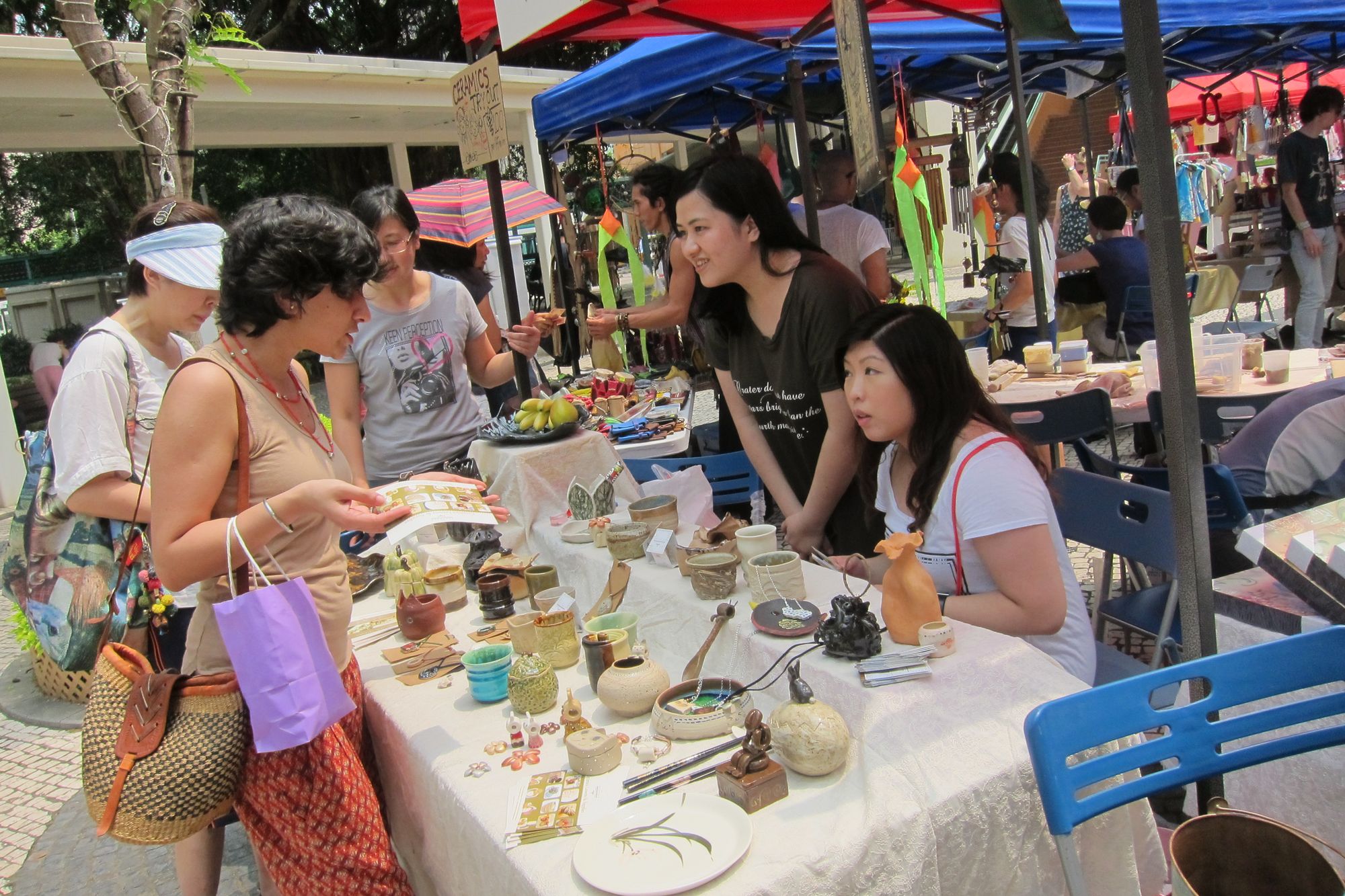
Here's the deal: Noosa's Flavor Finder program is basically crowdsourcing flavor data to train their product recommendation algorithm. Five digital nomads will travel the world collecting food inspiration while Noosa's AI engine analyzes captions, imagery, and voting patterns to predict which flavors will actually sell. It's travel work meets data labeling—and it's genius marketing automation disguised as a fun contest.
By YEET Magazine Staff | Updated: May 13, 2026
The gig economy keeps evolving. Remote work used to mean sitting at a desk. Now? Brands are building distributed teams of content creators and data collectors who work from anywhere. Noosa's $2,000 stipend covers travel while participants unknowingly feed training data into flavor-prediction algorithms.
Each submission—photo, caption, location—becomes a data point. The judges aren't just picking "best flavors." They're identifying which human-generated descriptions, visual patterns, and regional preferences correlate with viral products. That's structured data collection in real time.
Here's what's actually happening: A four-judge panel rates submissions on originality and marketability. But the real magic? Sentiment analysis algorithms scan captions. Computer vision models analyze food photography. The contestant voting mechanism? That's A/B testing at scale. Every vote feeds Noosa's predictive model about which flavor combinations drive engagement.
This is the future of product development: humans generate creative ideas and contextual data; AI identifies patterns humans can't see; brands reduce R&D risk by 80%. Noosa gets free content, flavor insights, and social media reach. Winners get paid to travel while contributing to an automated innovation pipeline.
The applications deadline is April 20th. You submit via Twitter, Instagram, or Noosa's site. Upload a food photo with a witty caption describing your dream yogurt flavor. That's literally all it takes to become part of a distributed flavor research network.
Why this matters for remote work: This is what AI-augmented jobs look like. You're not replacing human judgment—you're amplifying it. Judges still choose winners. But algorithms process thousands of submissions, identify micro-trends, and flag high-potential flavors before humans even taste them. The winner gets Colorado. The company gets validated market research.
The broader pattern: Brands are increasingly using gamified crowdsourcing + algorithmic analysis instead of traditional focus groups. Why pay $50K for a market research firm when you can run a viral contest that automates data collection?
Real talk: If you're a digital nomad looking for work that doesn't require 10 years of experience, this is the template. Travel + passion + data contribution = sponsorship. As automation eats traditional jobs, these hybrid roles—part influencer, part data source, part product tester—are multiplying.
Quick questions answered:
Do I need a degree? No. You need a smartphone, a sense of taste, and the ability to write a caption.
What's the real job here? You're a distributed flavor researcher feeding an AI model with curated sensory data and market signals.
Could AI replace this? Partially—algorithms could generate flavor combinations. But they can't replicate the human context (why rambutan makes sense in China) or the social proof (human voting validates predictions).
How much do winners make? $2,000 stipend + expenses to Colorado HQ. Not life-changing, but enough to subsidize a month of nomadic work.
Why does Noosa care? Social media content, user-generated data, and predictive signals about next-gen flavor trends. One viral post pays for itself in marketing value.
Related reading on tech-enabled work: Check out how automation is changing hiring practices or explore gig economy workers and algorithm dependency. Want more on AI in food tech? See how predictive analytics shape consumer behavior.
HTML_CONTENT