
NYC Nail Salons Hit Chemical Plant Fume Levels — Benzene Detected in Air Study
Scientists tested the air inside five NYC nail salons and found chemical fumes spiking to levels you'd expect at a chemical plant.

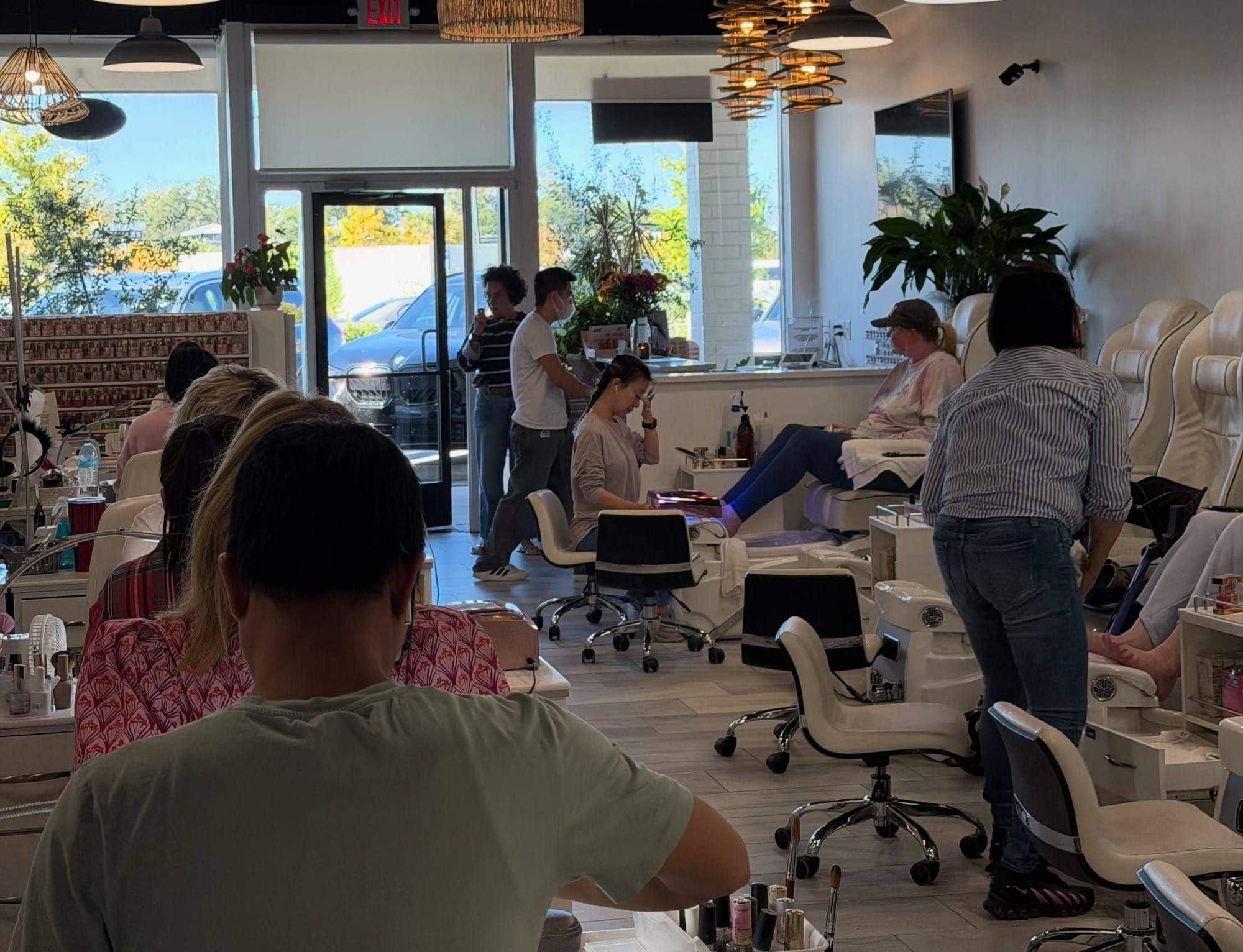
NYC Nail Salons Hit Chemical Plant Fume Levels — Benzene Detected in Air Study
Scientists spent a week measuring the air inside five New York City nail salons and found something most customers never notice: chemical fumes that sometimes reached levels normally associated with a chemical plant. Benzene, a chemical linked to cancer, was among the compounds detected. Regular face masks do almost nothing. The things that actually lower the risk are better airflow, open windows, and keeping product bottles closed. The findings, reported by ScienceAlert, add hard numbers to a problem nail salon workers have described for years.
For more on health and environmental risks, read our coverage of how environmental factors are affecting American families.
What the Researchers Actually Measured
The team placed air monitors inside five working nail salons across New York City and left them running for a full week in each location. They tracked a range of volatile chemicals that evaporate from nail polish, removers, acrylics, and gels. At multiple points the readings climbed high enough to match concentrations more often found in industrial settings than in a small retail shop.
One of the chemicals that appeared was benzene. Long-term exposure to benzene is linked to blood cancers, including leukemia. Other common salon chemicals — toluene, formaldehyde, and various solvents — also showed up in the air samples. These compounds are not new to the industry, but the combination of high levels and continuous exposure is what makes the findings striking.
Standard surgical or cloth masks offer almost no protection. The chemicals travel as gas, not as large particles that a basic mask can filter. The researchers found that the biggest practical improvements came from three simple changes: stronger ventilation systems, opening windows when weather allows, and keeping product bottles tightly closed between uses.
For more on indoor air quality, read our coverage of how to protect yourself from indoor pollutants.
The People Breathing This Air Every Day
Behind the counters and manicure tables are workers who spend eight to twelve hours a day in these spaces. Many are immigrant women, often from Vietnam, China, Korea, or Latin America. They are the ones who file, paint, remove, and reapply day after day. Customers come and go. The workers stay.
Advocacy groups and earlier studies have documented the same pattern for years: headaches, dizziness, skin irritation, respiratory problems, and in some cases more serious long-term health issues. The new air measurements give those personal accounts a set of numbers that are harder to dismiss. A shop that smells “strong” is not just an inconvenience. It can be a measurable exposure.
Many of these workers have limited English, limited health insurance, and limited power to demand changes from shop owners. Rent and wages are tight. Speaking up can mean losing the job. That power imbalance is part of why the problem has persisted even as the risks became better known.
For more on worker health and safety, read our coverage of how corporations treat their workers.
Why This Problem Has Lasted So Long
Nail salons sit in a regulatory gray zone. They are small businesses, often family-run, and they fall under a mix of local health codes, state labor rules, and federal chemical standards. Enforcement is uneven. Inspectors cannot be in every shop every week. Many products are still sold with limited labeling about the full range of solvents they contain.
Some cities and states have tried to push healthier practices. California has a voluntary “healthy nail salon” recognition program. New York has seen local campaigns calling for better ventilation requirements and safer product lists. Progress is slow because the industry is fragmented and the economic pressure on owners is real. Safer products and proper exhaust systems cost money. Many shops operate on thin margins.
Customers also play a role. The demand for long-lasting gels, acrylics, and dramatic designs keeps the stronger chemical formulations popular. When a product works well and lasts two weeks, the health trade-off is often invisible until someone gets sick.
What Actually Helps
The study’s practical takeaways are straightforward. Mechanical ventilation that pulls air out of the shop and brings fresh air in reduces peaks. Opening windows when possible helps. Closing bottles the moment they are not in use cuts the continuous release of fumes. Some shops have started using tabletop exhaust units that sit near the manicure stations and pull vapors away from both the worker and the client.
Switching to lower-toxicity products where possible also matters, though “non-toxic” labels are not always reliable. Looking for products that avoid the most aggressive solvents is a start. Workers who can take short breaks outside or rotate tasks get some recovery time from constant exposure.
For customers, shorter appointments, requesting better ventilation, or choosing shops that visibly invest in air quality are small ways to reduce risk. The larger fix still sits with owners, regulators, and product manufacturers.
The Bigger Picture
This is not only a New York story. Similar conditions have been documented in salons across the United States and in other countries with large nail industries. The combination of chemical exposure, immigrant labor, and weak enforcement appears again and again. Environmental justice researchers point to it as a clear example of how certain workers absorb health costs that the rest of society does not see.
The new measurements from the five NYC salons do not invent the problem. They quantify it in a way that is hard to ignore. Chemical plant levels inside a place where people get their nails done is a clear signal that the current system is not protecting the people who work there.
Air Quality Monitors for Your Home
Track the air you breathe with a reliable indoor air quality monitor.
Price: $49.99
Shop Now on Amazon →