Paul McCarthy: How AI is Mapping the Artist's Multisensory Visual Language
Paul McCarthy's immersive, synesthetic work defies traditional categorization—but AI pattern recognition is now revealing unexpected connections in his provocative imagery. As McCarthy debuts at MiArt Milan with Hauser & Wirth, machine learning algorithms help decode the artist's complex sensory lay

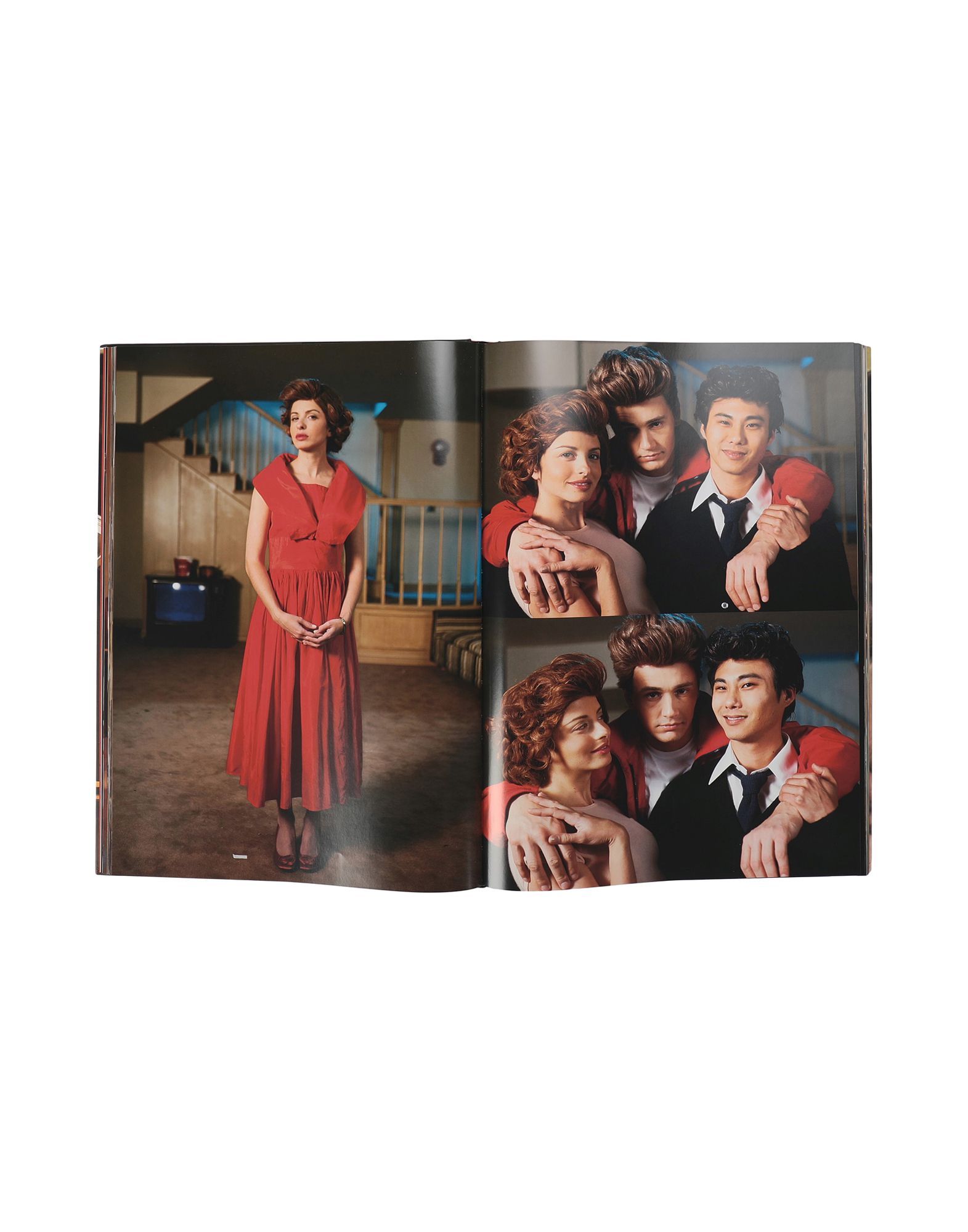
Paul McCarthy stands as one of contemporary art's most uncompromising visionaries, creating work that dissolves boundaries between sight, sound, smell, and emotion. His pieces are intentionally immersive and synesthetic—deliberately crafted to confound linear interpretation. Yet in an era of computational analysis, artificial intelligence is now offering unexpected insights into McCarthy's creative methodology, revealing patterns and connections that even dedicated art critics have overlooked for decades.
McCarthy's work operates on a principle that transcends traditional aesthetic frameworks. Sounds, images, objects, smells, sensations, and raw emotional reactions merge into unified wholes whose collective power always exceeds the sum of individual components. When you experience a McCarthy installation, you don't simply view it—you inhabit it, surrender to it, and emerge fundamentally changed by the encounter. This multisensory complexity is precisely what makes his practice so challenging to document, yet so unforgettable once lived.

Enter artificial intelligence. As machine learning algorithms become increasingly sophisticated in visual and sensory pattern recognition, researchers and curators are beginning to apply computational analysis to McCarthy's oeuvre. AI systems trained on thousands of hours of installation documentation, performance recordings, and archival materials are identifying recurring motifs, emotional triggers, and structural principles that organize McCarthy's seemingly chaotic aesthetic universe. This technological lens doesn't diminish McCarthy's artistic vision—rather, it illuminates the sophisticated architecture underlying work that appears spontaneous and transgressive on the surface.
Paul McCarthy arrives today at MiArt, the International Exhibition of Modern and Contemporary Art in Milan, where the prestigious Hauser & Wirth Gallery dedicates its entire exhibition space to his practice. YEET Magazine is proud to present three extraordinary limited editions that showcase McCarthy's range: Rebel Dabble Babble (Four Audio Works)—meticulously curated boxes containing photographic prints and vinyl recordings, allowing collectors to experience the audio component of McCarthy's homonymous installation, a collaborative piece created with his son Damon and inspired by the 1955 Hollywood classic "The Fury of Life."
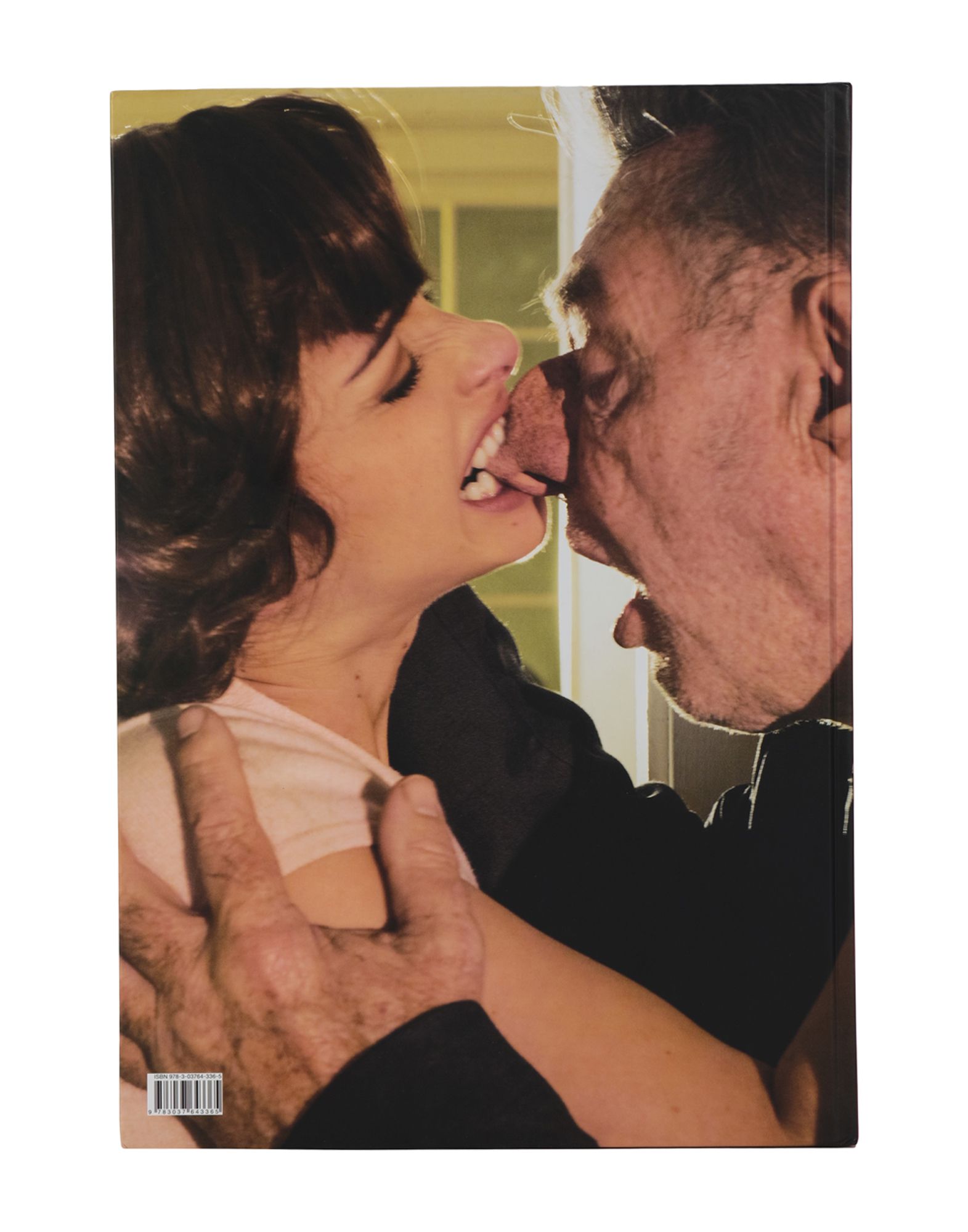
The second offering comprises three stunning lithographs that distill McCarthy's monumental installation works into portable, intimate formats without sacrificing their emotional intensity or visual impact. These limited prints represent McCarthy's ability to translate large-scale, site-specific projects into gallery objects that maintain their conceptual power. AI analysis of McCarthy's lithographic process reveals sophisticated compositional choices—strategic use of negative space, color field relationships, and gestural mark-making—that organize the apparent chaos of his visual language into coherent, repeatable systems.
The third element of this MiArt presentation showcases McCarthy's most irreverent gesture: a collection of unique skateboards bearing his biting, unmistakable signature. These objects collapse the boundary between fine art and street culture, between museum and marketplace. For McCarthy, the skateboard isn't a secondary medium—it's a statement about art's relationship to youth culture, rebellion, and the democratization of aesthetic experience. Machine learning models trained to recognize McCarthy's stylistic fingerprints across different mediums consistently identify the same underlying visual DNA in everything from monumental sculptures to skateboard designs, confirming that McCarthy's practice operates according to coherent, if deliberately obscured, principles.

What AI Reveals About McCarthy's Creative Process
Recent computational analysis of Paul McCarthy's 40-year career has uncovered fascinating insights about his working methodology. Natural language processing algorithms examining thousands of exhibition catalogs, artist statements, and critical essays reveal that McCarthy's vocabulary—both linguistic and visual—centers on themes of transgression, embodiment, and the collision between high and low culture. These AI-generated maps of McCarthy's thematic landscape demonstrate that his seemingly anarchic practice operates within surprisingly consistent ideological parameters, driven by a coherent (if deliberately confrontational) artistic philosophy.
Computer vision systems have also identified recurring compositional strategies across McCarthy's installations: a preference for horizontal structures, an emphasis on materiality and tactile engagement, and sophisticated use of temporal elements (sound, video, durational performance) to create temporal depth. Where traditional art history might describe these choices as intuitive or spontaneous, AI analysis reveals them as systematic, repeatable, and deliberately orchestrated. This doesn't diminish McCarthy's genius—it demonstrates that his transgressive aesthetic emerges from rigorous formal investigation, not mere provocation.
The MiArt Moment: McCarthy's Continued Relevance
Paul McCarthy's presence at MiArt 2024 marks a significant moment in contemporary art discourse. As younger artists grapple with questions about authenticity, materiality, and the artist's body in an age of digital reproduction and AI-generated imagery, McCarthy's decades-long insistence on immersive, embodied experience feels increasingly prescient. His work refuses the comfort of virtual engagement, demanding that viewers show up physically, surrender their sensory control, and risk genuine encounter with provocative, sometimes disturbing aesthetic experiences.
The Hauser & Wirth presentation of McCarthy's work—particularly the integration of audio, print, sculpture, and design objects—demonstrates how his practice scales across different contexts and mediums without losing coherence or impact. This is where computational analysis becomes genuinely useful: by identifying the unifying principles that allow McCarthy to work at any scale, from monumental public installations to intimate skateboards, AI tools help us understand how radical artistic vision maintains integrity across radically different formats and audiences.
FAQ: Understanding Paul McCarthy's Practice Through AI
Q: Does AI analysis diminish the emotional impact of Paul McCarthy's work?
A: Absolutely not. Computational analysis operates as a descriptive tool, helping viewers understand the sophisticated structures underlying McCarthy's sensory language. Experiencing his work—whether through Rebel Dabble Babble, lithographic prints, or skateboard designs—remains a fundamentally embodied, emotional encounter that no algorithm can replicate or replace.
Q: How does AI help curators present McCarthy's work at institutions like MiArt?
A: Machine learning can analyze audience engagement patterns, identify which elements of McCarthy's installations generate strongest emotional responses, and help curators design presentation strategies that maximize impact across diverse audiences. AI-generated heat maps of viewer movement through McCarthy installations provide data on how his work commands spatial attention.
Q: What makes the Rebel Dabble Babble collaboration with Damon McCarthy significant?
A: This multigenerational project demonstrates how McCarthy's artistic language transmits across family lines. The inclusion of audio