How AI-Powered Production Tools Are Reshaping Pharrell's Creative Process
Pharrell Williams built his empire on production innovation. Now AI-powered tools, data analytics, and algorithmic collaboration are reshaping how modern creators like him blend music and fashion. The future of creative work is automated—and personalized.

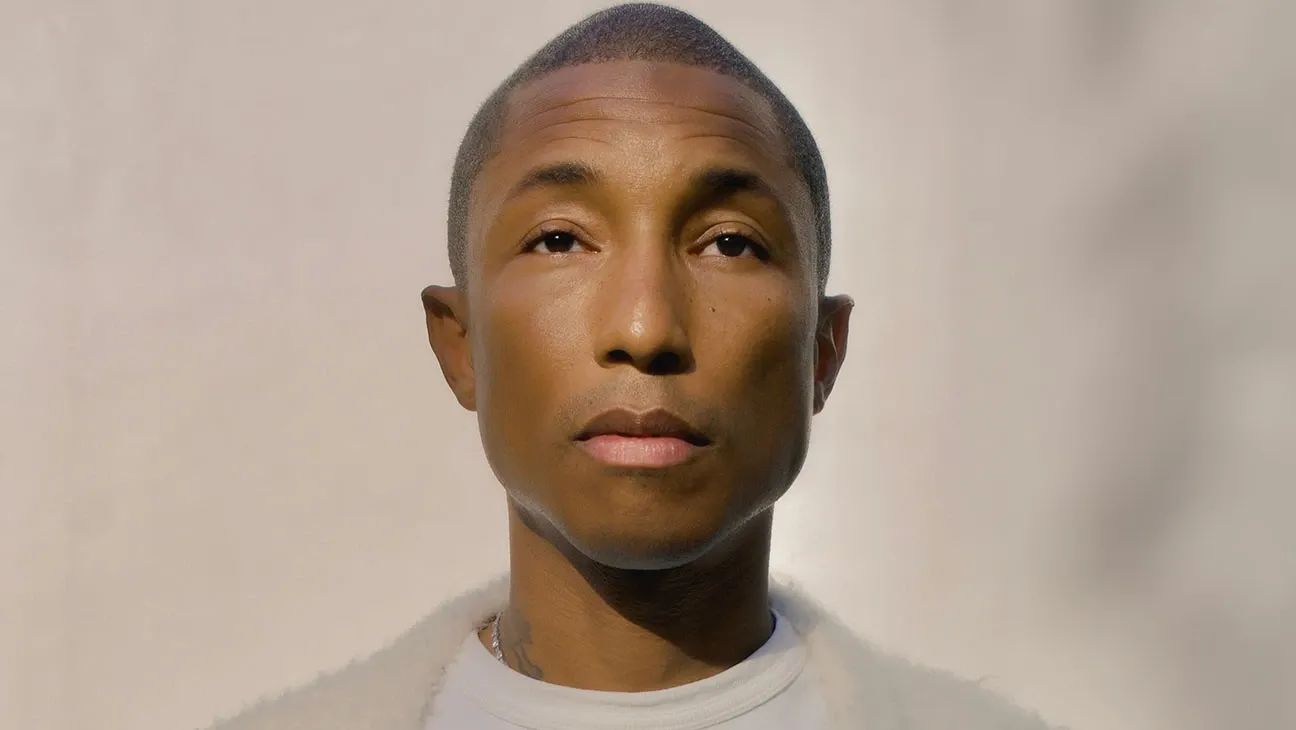
Pharrell Williams is a cultural icon because he embraced technology early. His music production process relies on algorithmic patterns, data-driven decisions, and automation tools that identify hit formulas. As Louis Vuitton's artistic director, he now applies similar AI-assisted design principles to fashion—using data to predict trends and personalize collections. The future of creativity isn't about replacing human intuition; it's about AI amplifying it.
By YEET Magazine Staff | Updated: May 13, 2026
Pharrell's career demonstrates how automation and algorithms have democratized creative production. His Neptunes production duo used early sequencing tech and beat-making software to establish their signature sound. Today, machine learning models can analyze millions of songs, identify what makes tracks viral, and suggest production choices in real-time.
When Pharrell creates music, he's working with tools that use predictive analytics. These systems can flag which chord progressions resonate with audiences, which tempos optimize engagement, and which collaborations create algorithmic synergy. It's not magic—it's data.
Fashion design operates similarly. AI algorithms now analyze runway trends, social media sentiment, and consumer purchasing data to inform color palettes, silhouettes, and material choices. Pharrell's streetwear brands (Billionaire Boys Club, Humanrace) likely use these insights to stay ahead of trends before algorithms predict them.
The real innovation is hybrid creativity: humans provide vision, emotion, and intuition. AI handles pattern recognition, optimization, and scaling. Pharrell's collaborations with Jay-Z, Justin Timberlake, and others worked because he understood how to combine human artistry with production systems. That's the blueprint for future creative work.
His shift to Louis Vuitton's men's collections shows how algorithmic personalization changes luxury. Instead of one-size-fits-all designs, AI-driven customization lets brands create individualized pieces based on customer data. The artist directs the vision; the algorithm ensures every piece connects with its intended audience.
Pharrell said it himself: "My clothing culture was made thanks to rap video clips." He understood distribution algorithms before we called them that. Music videos succeeded because they were optimized for MTV's rotation logic, YouTube's recommendation engine, and social media virality. Intentional or not, he was collaborating with algorithms.
The future of creative work looks like Pharrell's career arc: artists who leverage automation, understand data, and use AI as a creative tool rather than a replacement. The next generation of producers, designers, and musicians will need to speak both languages—art and algorithms.
How does AI change the role of producers and creative directors? Instead of trial-and-error, modern producers use machine learning to test variations instantly. A beat that would take hours to experiment with in the 90s takes minutes now. Creative directors like Pharrell use data dashboards instead of gut feelings—though intuition still matters when interpreting what the data means.
Can algorithms predict cultural trends the way Pharrell does intuitively? Partially. AI excels at recognizing patterns in existing data, but human creativity makes intuitive leaps that algorithms can't anticipate. Pharrell's genius is combining both: he understands algorithmic patterns deeply enough to break them strategically.
What role does automation play in fashion collections? Design automation handles repetitive tasks—pattern matching, material testing, inventory optimization. This frees Pharrell to focus on conceptual direction. Production algorithms also personalize pieces for customers, moving luxury away from mass production toward mass customization.
How do collaborations work differently with AI tools? Remote collaboration becomes frictionless. AI-powered production suites let Pharrell work with artists globally in real-time, with systems that suggest harmonies, matching samples, or design elements based on each collaborator's style signature. The algorithm becomes an invisible third party enhancing the creative partnership.
Is there a future where AI replaces creative directors? No. What will happen is creative roles evolve. Directors become "algorithm architects"—people who understand both creative vision and how to leverage automation. Pharrell is already doing this. The technical skills matter less than the ability to guide systems toward meaningful creative outcomes.
Explore how AI is automating creative industries and reshaping how artists produce music. Learn about machine learning's impact on fashion design or discover how algorithms influence streaming and virality.