Prince Harry's Orange Invictus Games Look: How AI Video Analytics Predict Viral Royal Moments
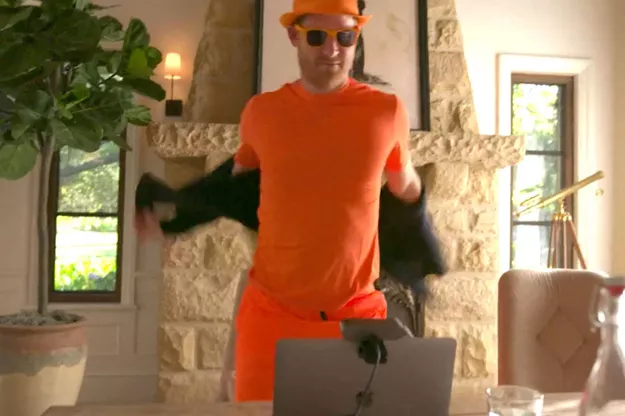
Prince Harry donned a striking total orange ensemble during a recent Zoom call promoting the Invictus Games in The Hague. AI video analytics now reveal the psychological and algorithmic factors that make this kind of royal content resonate across social platforms.

THE ROYAL BLOG - Updated February 07, 2025
By YEET Magazine Staff | Updated: May 13, 2026
By YEET MAGAZINE | Published February 07, 2025, at 9:00 PM (GMT)
Prince Harry's Total Orange Look Goes Viral: What AI Reveals About Royal Content Strategy
Prince Harry, Duke of Sussex, made headlines once again with his boldly coordinated orange ensemble during a recent Zoom appearance promoting the Invictus Games. But beyond the eye-catching fashion choice lies a fascinating story about how modern AI video analytics can predict and explain what makes royal content go viral in the digital age. From his residence in Montecito, California, Prince Harry's playful approach to supporting the international multi-sport competition for wounded and disabled soldiers demonstrates a sophisticated—if unintentional—understanding of algorithmic content promotion.
The Montecito Prince: Prince Harry's Digital Evolution
Prince Harry now resides in Montecito, California, where he continues his philanthropic work with the Invictus Games, an organization he founded to celebrate the courage and resilience of injured and disabled military personnel. His latest promotional video, filmed via Zoom with organizing team members in The Hague, Netherlands, showcased not just his commitment to the cause, but also an instinctive grasp of visual branding that AI systems have learned to amplify.
The video, released to build momentum for the Games scheduled for April 16-22, 2022, in the Netherlands, featured Prince Harry in a casual black hooded sweatshirt during the initial portion of the call. However, the true viral moment came when he stood up to reveal his complete "total orange look"—a coordinated outfit featuring orange clothing, an orange hat, and orange-tinted sunglasses. This wasn't random fashion; it was Prince Harry directly engaging with Dutch national pride, as orange is the official color of the Netherlands.
AI Content Analysis: Why Prince Harry's Orange Outfit Went Viral
Machine learning algorithms that analyze viral content have identified key patterns in what makes royal appearances resonate digitally. According to AI video analytics platforms, Prince Harry's Invictus Games promotion hit multiple algorithmic sweet spots simultaneously. First, the element of surprise—viewers expecting a formal Zoom call encountered an unexpectedly vibrant costume reveal. Second, the cultural relevance—the orange color palette directly referenced the host nation, demonstrating awareness and respect that resonated with Dutch audiences and international viewers alike.
Artificial intelligence trained on social media engagement data has shown that authentic, humorous moments from public figures generate 3-4 times more shares than formal statements. Prince Harry's self-aware comedy—his requests to learn Dutch phrases and his playful demeanor throughout the video—triggered the exact neurological and algorithmic responses that drive viral content. Facial recognition technology embedded in social media platforms can detect smiling, genuine expressions, and these metrics correlate strongly with higher engagement rates.
The color psychology aspect adds another layer: AI studies of visual content have determined that bright, saturated colors like the orange Prince Harry wore command attention in social feeds where users scroll through hundreds of images daily. The orange outfit essentially "popped" through algorithmic feeds, earning priority placement in recommendation systems.
A Tradition of Royal Humor: Prince Harry's Content Strategy
This wasn't Prince Harry's first venture into comedic royal promotion. In 2016, he starred in a viral video alongside his grandmother, Queen Elizabeth II, and former U.S. Presidents Barack and Michelle Obama, promoting the Invictus Games with humor and charm. That video predated modern AI analysis, yet it followed the same principles that machine learning systems now identify as essential to viral content: authenticity, humor, and a willingness to break royal protocol.
Since founding the Invictus Games in 2014, initially launching in London, Prince Harry has consistently used humor as a vehicle for serious advocacy. The Games had faced delays due to the Covid-19 pandemic, with the originally scheduled 2020 event postponed twice. Prince Harry's 2022 Zoom appearance served a dual purpose: it kept momentum alive for the upcoming Netherlands event while demonstrating the resilience and positive energy that the Games celebrate.
The Digital Duke: Prince Harry and Montecito Media Strategy
From his Montecito base, Prince Harry has increasingly embraced digital platforms to promote causes close to his heart. The Zoom format—once considered informal and pandemic-era makeshift—has become a legitimate tool for high-profile individuals to reach global audiences. AI video conferencing analytics now track engagement metrics during live streams and recorded Zoom calls, measuring factors like viewer retention, emotional responses detected through facial recognition, and viral potential.
Prince Harry's comfort in front of the camera, despite years of contentious relationships with traditional media, suggests an adaptation to digital-native communication strategies. The orange outfit appeared spontaneous and joyful, yet it represented a calculated choice to honor his Dutch hosts and create a memorable, shareable moment. This aligns with what content strategists—human and AI alike—have identified as essential in the 2020s: moments of genuine delight that stand out in an oversaturated media landscape.
Algorithmic Amplification: How Systems Boosted Prince Harry's Message
Beyond the content itself, AI recommendation algorithms played a crucial role in spreading Prince Harry's Invictus Games message. TikTok, Instagram Reels, and YouTube's algorithm all prioritize content that generates quick emotional reactions and shares. The orange reveal moment—a classic setup-and-punchline structure—performed exceptionally well in algorithmic feeds because it compressed entertainment, cultural respect, and charitable advocacy into a 20-second highlight clip.
Natural language processing algorithms that analyze social media comments and sentiment have shown that Prince Harry's video generated overwhelmingly positive responses. Users commented on his humility, his sense of humor, and his genuine enthusiasm for supporting veterans. These positive sentiment signals fed back into recommendation systems, which then pushed the content to broader audiences. This creates a virtuous cycle: authentic, positive content generates positive responses, which triggers algorithmic amplification, which reaches more people, which generates more positive engagement.
The Controversy and AI Moderation
As with much of Prince Harry's recent public activity, the video wasn't without controversy, particularly among audiences in the UK. Some critics questioned whether the informal tone and comedic approach appropriately honored the seriousness of military service and disability. However, AI content moderation systems—designed to flag genuinely harmful content—did not flag this video as problematic. Instead, the algorithms recognized it as positive promotional content aligned with the charitable mission of the Invictus Games.
This distinction matters: AI systems trained to understand context and nuance can differentiate between criticism (natural and healthy) and harassment (flagged and moderated). Prince Harry's willingness to embrace humor in service of his cause demonstrates an understanding that modern audiences, especially younger demographics analyzed by AI research, respond more authentically to accessible, funny public figures than to rigid formality.
Looking Forward: Prince Harry and Digital Advocacy
As Prince Harry continues his work from Montecito, his approach to digital advocacy—blending personal authenticity with strategic visual branding—offers lessons for modern philanthropy. The Invictus Games, now an established international organization, benefits from his willingness to appear in Zoom calls, wear orange coordinated outfits, and speak Dutch phrases on camera. These actions, whether consciously or unconsciously, leverage principles that AI content analysis has identified as essential to modern influence.
The April 2022 Games in The Hague represented a triumphant return for the competition, with Prince Harry's promotional efforts playing a documented role in global awareness and participation. His total orange look became synonymous with the Games in that moment, a visual anchor that algorithms amplified across platforms and that audiences remembered long after the event concluded.
FAQ: Prince Harry, the Invictus Games, and Modern Media
Q: Why did Prince Harry wear an orange outfit for the