
Reaching Healthy Weight in Adulthood Fully Erases Mental Health Risks from Childhood Weight Struggles
A massive new study found that reaching normal weight by adulthood erases the excess mental health risk from being heavier or thinner at age 10.

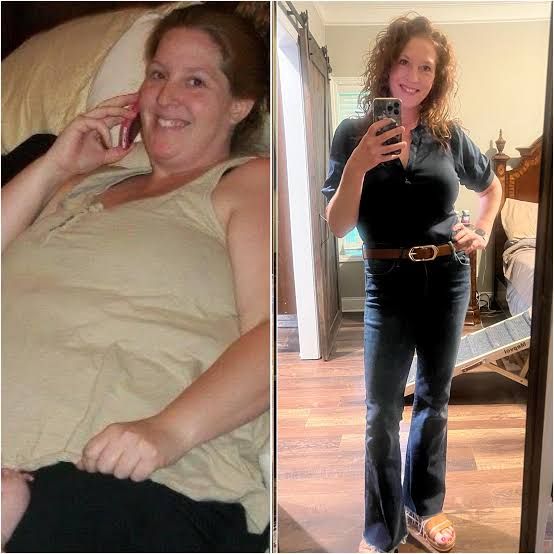
Reaching Healthy Weight in Adulthood Fully Erases Mental Health Risks from Childhood Weight Struggles
A massive long-term study has revealed a major silver lining for anyone who struggled with their body size growing up: hitting a healthy body weight by adulthood completely resets the elevated risk for depression and anxiety linked to childhood weight issues. The study—which analyzed health data across thousands of people from age 10 into their adult years—shows that past weight struggles do not permanently lock in long-term mental health damage.
For more updates on health research and everyday wellness, read our story on how daily financial stress impacts overall mental well-being and our guide to building long-term healthy habits.
What the Research Shows About Childhood Weight and Adult Mental Health
Researchers tracking thousands of individuals across decades noticed a clear pattern early on: kids who were significantly above or below average body weight around age 10 showed noticeably higher rates of anxiety and clinical depression later in life. Social pressures, body image distress, and early metabolic shifts often create emotional stress during critical school years.
However, when tracking these same individuals into their 20s and 30s, the outcome changed dramatically. Adults who managed to reach and maintain a healthy weight range showed the exact same baseline mental health risk as people who had never struggled with their weight at all. Essentially, balancing body weight in adulthood acts like a complete reset button for childhood mental health vulnerabilities.
To see more science updates, check out our coverage on the latest research trends in mental health and psychology.
Why This Matters for Doctors, Parents, and Personal Health Goals
This discovery changes how doctors and public health experts talk about body weight and emotional wellness. For years, experts worried that severe childhood weight issues would leave permanent emotional marks that followed people throughout their entire lives.
This data proves that taking control of your lifestyle, nutrition, and exercise as an adult yields direct mental health rewards—regardless of your health history at age 10. Building sustainable adult health habits doesn't just improve physical energy and heart health; it actively lowers your risk of developing clinical depression and ongoing anxiety.
For simple ways to improve daily habits, explore our guide on how to build sustainable nutrition and wellness routines.
Top Recommended Reads: Building Sustainable Health & Wellness Habits
Learn practical strategies for sustainable weight management, nutrition, and everyday mental well-being.
Price: $19.99
Shop Now on Amazon →