Samode Palace: How AI is Revolutionizing 475-Year-Old Rajasthani Royal Hotels
Samode Palace, a 475-year-old architectural masterpiece in Rajasthan, now leverages AI and modern automation to balance historical preservation with contemporary hospitality. How technology is helping this legendary palace maintain its cultural lineage while elevating guest experiences.

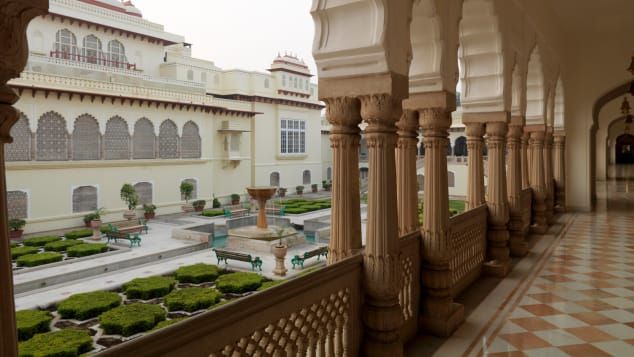
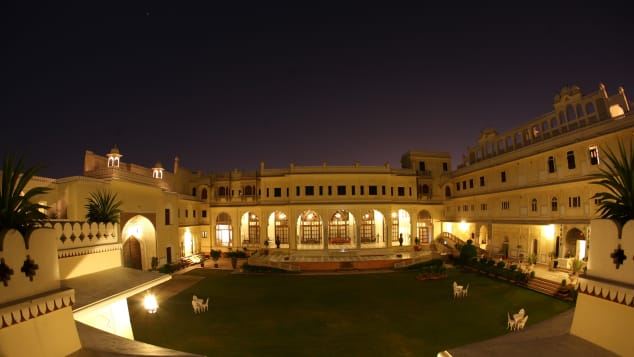
Nestled in the rugged hills of Rajasthan, Samode Palace stands as a testament to nearly five centuries of architectural brilliance and cultural resilience. Located just an hour's drive from Jaipur, this 475-year-old palace hotel has undergone remarkable transformations throughout its storied history—from 16th-century fortress to 19th-century opulent palace, and finally to a luxury hotel in 1987. Today, Samode Palace faces a fascinating challenge: how to preserve its authentic royal heritage while integrating cutting-edge AI and automation technology to meet modern guest expectations.
By YEET Magazine Staff | Published: 2020-12-31
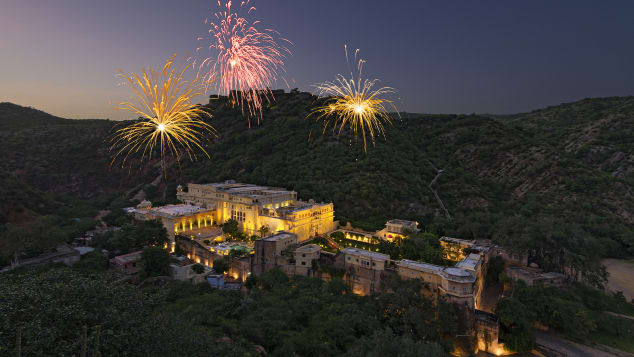
The Evolution of Samode Palace: From Fortress to Digital-Age Heritage Hotel
Samode Palace's journey began in the 16th century as a fortified structure designed to protect local rulers from invasion and territorial threats. During the 19th century, as regional conflicts diminished and architectural tastes evolved, the fortress transformed into an elaborate palace featuring intricate courtyards, ornate chambers, and stunning frescoed walls. In 1987, with the rise of luxury tourism and heritage preservation movements, the palace was thoughtfully remodeled into a high-end hotel—a transition that required balancing authenticity with guest comfort. Now, in the 2020s, Samode Palace faces a new challenge: integrating AI-powered systems without compromising the immersive historical experience that defines its appeal.
Yadavendra Singh, a direct descendant of the rulers who originally built the fortress and now co-owner of the hotel, articulates the palace's core mission: "It's a chance to go back into history and experience what royal families experienced." This philosophy has guided every major decision since the hotel's conversion. However, Singh also recognizes that modern travelers expect seamless technology integration—from AI-powered concierge services to smart climate control that preserves both guest comfort and the integrity of centuries-old structures.
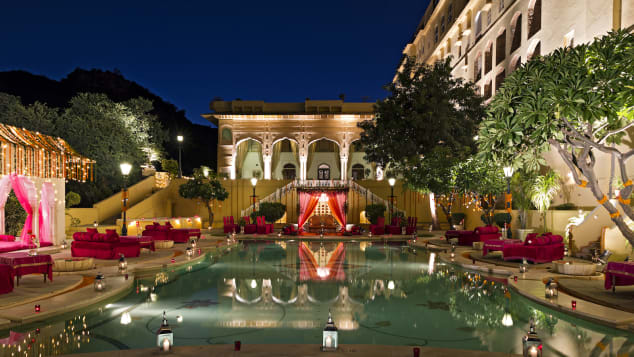
AI and Heritage: The Delicate Balance at Samode Palace
The biggest challenge Singh faced during the initial modernization was clear: "Very aesthetically and very sensitively try and restore the existing building and to add modern amenities without spoiling the charm of the old world." This philosophy now extends to AI integration. Rather than replacing traditional staff with automated systems, Samode Palace is implementing AI as an enhancement tool—using machine learning algorithms to optimize heating and cooling systems that protect ancient frescoes while maintaining guest comfort, and deploying chatbots and recommendation engines that operate in the background rather than replacing the personal touch that defines royal hospitality.
Innovative heritage hotels worldwide are increasingly turning to AI for predictive maintenance. At Samode Palace, AI sensors monitor structural integrity, humidity levels, and temperature fluctuations in real-time, alerting staff to potential threats to priceless artwork and architectural features before problems occur. This technology is particularly valuable for protecting the palace's renowned hand-painted murals and intricate tile work, which require precise environmental conditions. Machine learning models analyze decades of maintenance data to predict which areas may need restoration, allowing the palace to proactively preserve its heritage rather than react to damage.
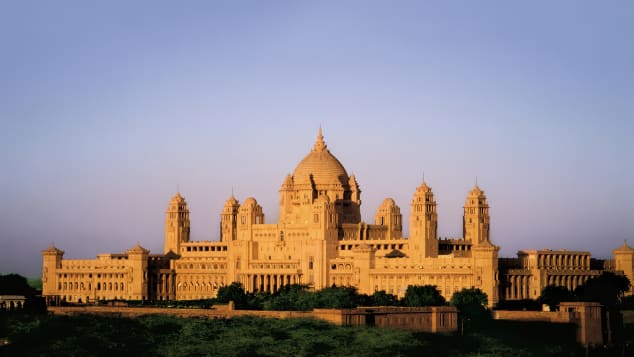
Personalization Through AI: Enhancing the Royal Experience
Beyond structural preservation, Samode Palace is leveraging AI to create personalized guest experiences that feel authentic to royal Rajasthani hospitality traditions. AI-powered recommendation systems analyze guest preferences to suggest cultural activities, dining options, and historical tours tailored to individual interests. Natural language processing allows the hotel's concierge AI to communicate in multiple languages with nuanced understanding of cultural context—crucial for international guests seeking deep immersion in Rajasthani traditions. Predictive analytics help staff anticipate guest needs before they're expressed, embodying the legendary anticipatory service that characterized royal palaces centuries ago.
Samode Palace has also implemented AI-driven storytelling technology—interactive displays and mobile apps that use computer vision and augmented reality to bring the palace's 475-year history to life. Guests can point their phones at historical chambers and instantly access narratives about the rulers who inhabited them, the architectural significance of specific design elements, and the cultural context of Rajasthani royal life. This technology makes history accessible without requiring lengthy guided tours, respecting guests' time while deepening their understanding.
 {"@context":"https://schema.org","@type":"NewsArticle","headline":"Samode Palace: How AI is Revolutionizing 475-Year-Old Rajasthani Royal Hotels","datePublished":"2020-12-31T00:00:00Z","dateModified":"2026-05-14T00:00:00Z","author":{"@type":"Organization","name":"YEET Magazine"},"publisher":{"@type":"Organization","name":"YEET Magazine","logo":{"@type":"ImageObject","url":"https://refined.ghost.io/favicon.ico"}},"isAccessibleForFree":true}