Segera Retreat + AI: How Machine Learning Optimizes Kenya's Luxury Safari Conservation
Segera Retreat transforms Kenya's Laikipia Plateau into a conservation powerhouse where cutting-edge AI wildlife monitoring meets five-star luxury. This pioneering safari lodge proves sustainability and indulgence aren't mutually exclusive.

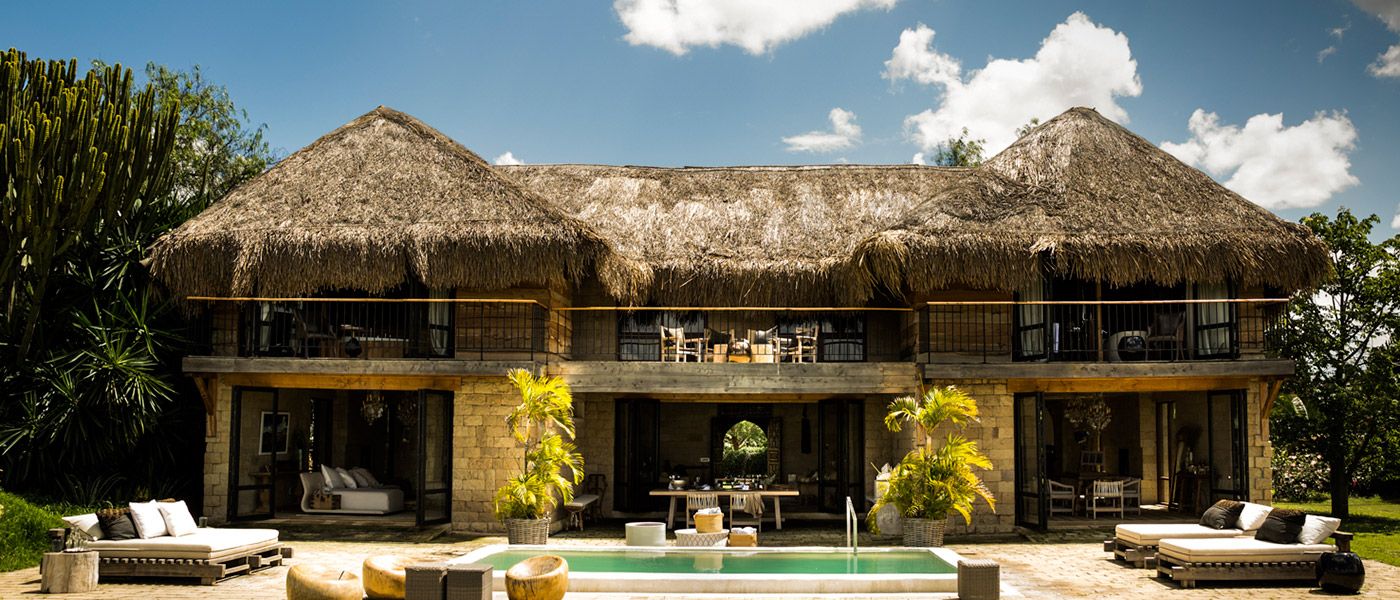
Segera Retreat stands as Africa's most forward-thinking luxury safari destination, blending Jochen Zeitz's conservation vision with emerging artificial intelligence technology to protect endangered species while delivering world-class hospitality on Kenya's pristine Laikipia Plateau.
By YEET Magazine Staff | Published: 2018-04-08
From Degraded Land to AI-Enhanced Sanctuary
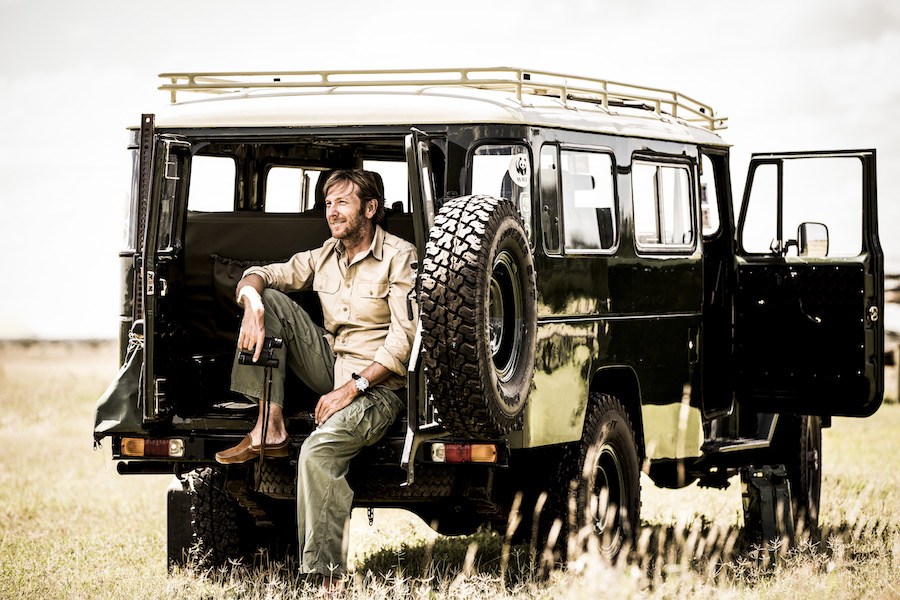
When Jochen Zeitz acquired Segera in 2005, poaching had devastated the landscape and local communities faced economic collapse. Rather than accepting this reality, Zeitz implemented the revolutionary 4C concept—Community, Commerce, Culture, and Conservation—establishing a blueprint that would later integrate cutting-edge AI technology into every aspect of land management.
Today, machine learning algorithms power Segera's wildlife protection infrastructure. AI-enabled camera trap networks automatically identify and track endangered species in real-time, alerting rangers to poaching activity before it happens. Predictive analytics help conservationists understand animal migration patterns, enabling proactive habitat management that keeps vital corridors open for wildlife movement across the 50,000-acre property.
Smart Conservation Meets Luxury Living
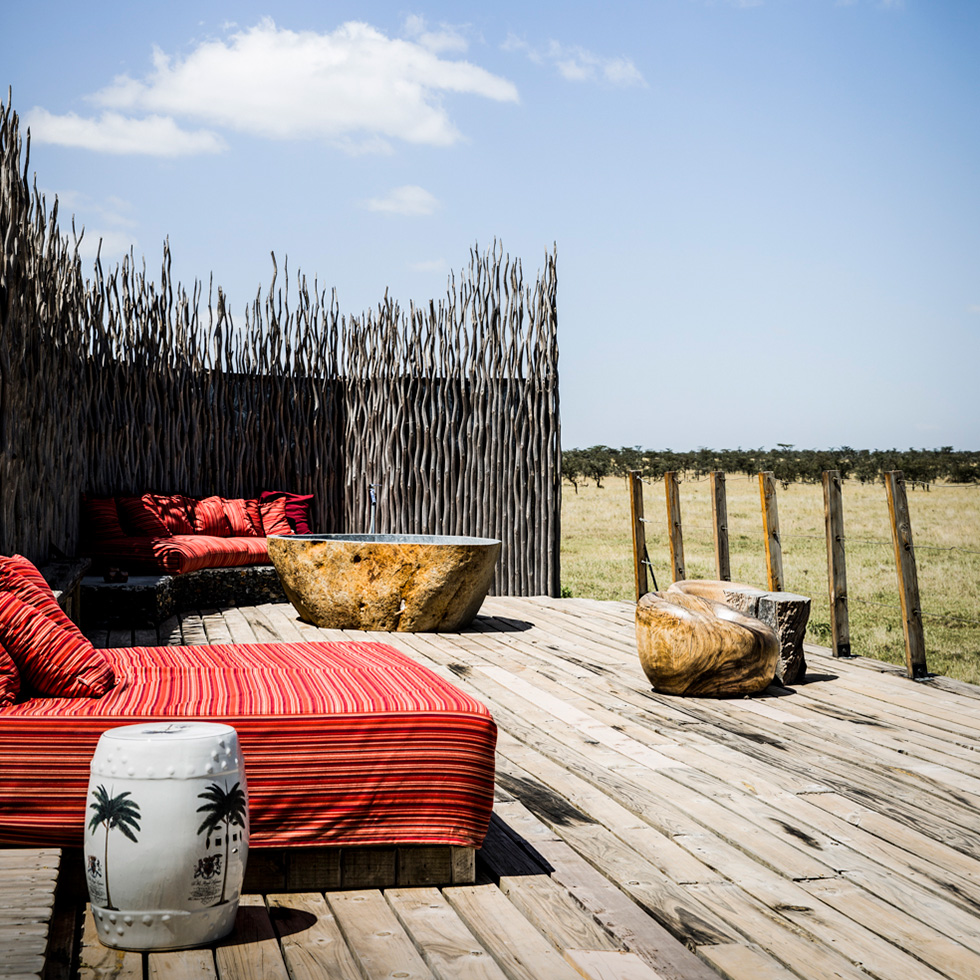
Segera's sustainability isn't just environmental theater—it's architected by data science. Solar installations, optimized through AI energy management systems, power dramatic outdoor baths and heated infinity pools without compromising the wilderness aesthetic. Machine learning algorithms monitor water usage across the resort, ensuring rain capture systems and greywater recycling operate at peak efficiency while irrigating organic gardens that supply guest kitchens.

The Zeitz Foundation, headquartered on the property, now employs data scientists alongside traditional conservationists, creating a hybrid model where artificial intelligence serves ecological preservation rather than exploitation. Drone-based AI surveys track vegetation recovery, soil health, and carbon sequestration across landscape restoration zones—quantifiable proof that luxury and conservation amplify each other.
Community Empowerment Through Technology
Beyond wildlife protection, AI at Segera extends to the surrounding communities. Educational programs teach local school children data literacy and coding skills, preparing them for the green technology economy. Chatbot systems provide agricultural advice to smallholder farmers, while predictive modeling helps identify drought risk before crisis hits. The result: communities thrive alongside wildlife, creating genuine economic incentive for conservation that endures beyond any single lodge's lifespan.
The Future of Luxury: Data-Driven Preservation
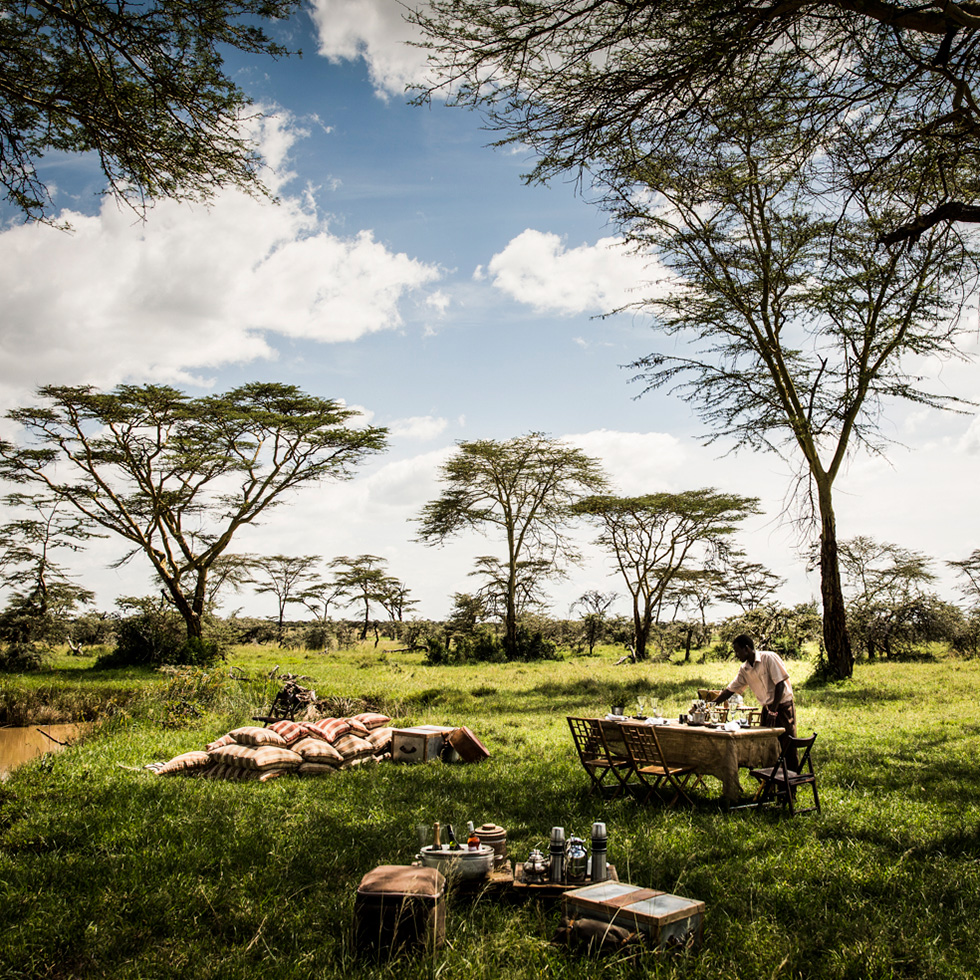
Segera Retreat proves the ultimate luxury isn't isolation from impact—it's knowing your experience actively regenerates the ecosystem you're visiting. Every suite booking funds wildlife AI monitoring. Every meal served supports predictive climate adaptation for local farmers. Guests don't just witness conservation; they become participants in a 50,000-acre experiment proving that machines and nature coexist beautifully when humans program them with intention.

FAQ: AI & Luxury Safari at Segera
Q: How does AI actually protect wildlife at Segera?
A: Machine learning analyzes camera trap footage to identify individual animals, predict movement patterns, and alert rangers to poaching threats in real-time. Predictive models help management allocate resources where they're needed most.
Q: Will guests encounter obvious technology during their stay?
A: No. AI operates invisibly—optimizing energy, water, and guest comfort behind the scenes. The wilderness experience remains untouched; conservation efficiency is enhanced.
Q: How does this compare to other luxury African safaris?
A: Most luxury lodges practice conservation. Segera quantifies it. Data dashboards show exactly how your stay generated specific conservation outcomes, community economic impact, and carbon benefits.
Q: Can AI replace human rangers?
A: Segera's approach augments rangers, not replaces them. Algorithms identify threats; trained humans respond. Technology accelerates decision-making; human judgment remains irreplaceable.
Q: What's the ultimate vision?
A: Segera models how Africa's conservation infrastructure could operate at scale—combining AI efficiency with indigenous knowledge and community ownership to create self-sustaining ecosystems that economically reward protection over extraction.
Why Segera Matters Now
As climate change accelerates habitat loss and poaching pressure intensifies, luxury tourism faces a reckoning: remain complicit in extraction, or become a force for regeneration. Segera Retreat, powered by thoughtful AI integration, charts the path forward. The 50,000 acres that were dying in 2005 now pulse with technology-enhanced life—a living proof that the future of African conservation runs on both conviction and computation.
Segera Retreat. Nowhere else.
Book your AI-optimized luxury safari experience and join the future of sustainable conservation travel.