Sharon Osbourne and The Talk's AI Moderation Failure: How Algorithms Missed the Racism Discussion
When Sharon Osbourne defended Piers Morgan against racism allegations on The Talk, AI content moderation systems failed to catch problematic rhetoric before it aired. This incident reveals critical gaps in automated moderation technology and raises questions about who should be responsible for flagg

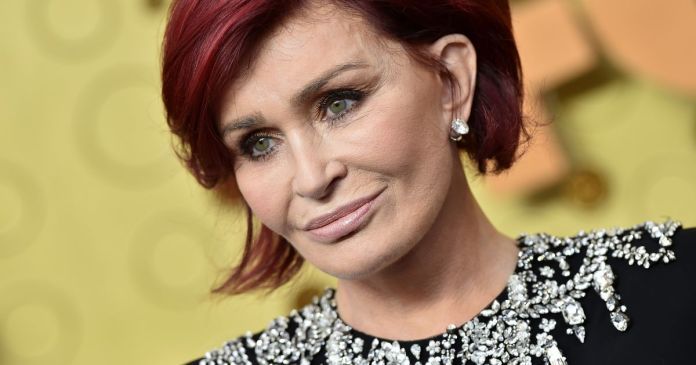
Sharon Osbourne's departure from The Talk following the March 10 on-air racism discussion represents more than just a career setback—it exposes a fundamental failure in modern AI content moderation systems. While CBS executives, producers, and hosts have faced scrutiny for their handling of that explosive episode, a crucial question remains largely unexamined: where were the AI safeguards that should have flagged this sensitive discussion before it went live?
By YEET Magazine Staff | Updated: May 13, 2026
The incident occurred when Osbourne publicly defended her friend Piers Morgan against allegations of racism stemming from his criticism of Meghan Markle's claims about treatment by the British royal family. During her exchange with co-host Sheryl Underwood, Osbourne became defensive, saying: "I really feel like I'm about to be put in the electric chair because I have a friend, who a lot of people think is racist, so that makes me a racist?" She demanded that Underwood "educate" her on how Morgan could be considered racist. This segment, which aired without content warnings or editorial intervention, sparked immediate backlash and forced CBS to pull The Talk from its schedule.
The Network's subsequent statement acknowledged that "the co-hosts were not properly prepared by staff for a complex and sensitive discussion involving race." But this explanation sidesteps a critical modern reality: AI content moderation systems are increasingly responsible for flagging problematic content across broadcast and digital media. The fact that this discussion aired without automated alerts raises serious questions about how these AI systems work—or don't work—in real-world broadcast environments.
How AI Content Moderation Failed The Talk
Modern AI content moderation relies on several technologies: natural language processing (NLP) to analyze text and speech, sentiment analysis to detect emotional tone, and keyword flagging systems that identify potentially problematic language. Most broadcast networks employ some combination of these tools to monitor live content, either in real-time or during post-production review. Yet The Talk's March 10 episode apparently slipped through these systems entirely.
This failure likely occurred for several reasons. First, current AI systems struggle with context and nuance—the very things that make discussions about race, identity, and racism so complex. Osbourne's statement that defending a friend accused of racism doesn't automatically make her racist is arguable from certain perspectives, but it also deflects from legitimate concerns about her willingness to engage critically with those accusations. An AI system analyzing the transcript might struggle to identify where the line between defensive conversation and problematic rhetoric actually lies.
Second, AI moderation systems are trained on datasets that reflect the biases of their creators. If training data underrepresents discussions of race from diverse perspectives, or if it's weighted toward flagging explicitly slurred language rather than coded or implicit racism, the system will miss subtler forms of racial insensitivity. Osbourne didn't use overtly racist slurs during the March 10 segment, but her framing of the discussion—and her refusal to acknowledge systemic racism—represents a form of racial insensitivity that more sophisticated AI systems should theoretically detect.
Third, broadcast environments present unique challenges for AI moderation. Unlike social media platforms where AI can review posts before publication, live television requires real-time analysis. This creates enormous pressure on AI systems to make split-second decisions about what constitutes problematic content. In fast-paced conversations with multiple speakers, the system may miss crucial context or become overwhelmed by the volume of speech data.
The Human-AI Moderation Gap
CBS's statement revealed that human oversight also failed spectacularly. Producers didn't prepare hosts for a complex discussion about race, didn't brief them adequately on the sensitivity of the topic, and apparently didn't monitor the conversation carefully enough to intervene in real-time. This represents a breakdown in both human judgment and AI support systems working together—what experts call the "human-AI moderation gap."
The ideal scenario would involve AI systems flagging potentially problematic content in real-time, alerting human moderators who could then make contextual decisions about whether intervention is necessary. Instead, The Talk operated with apparently minimal AI oversight and insufficient human preparation, creating a perfect storm for problematic content to air unchecked.
The aftermath revealed additional layers of racism that AI systems also failed to catch. Former co-host Holly Robinson Peete claimed Osbourne had called her "too ghetto" to host The Talk and contributed to her dismissal from the program. Leah Remini and other sources alleged that Osbourne used racist and homophobic slurs about former co-hosts Julie Chen and Sara Gilbert. If these claims are accurate, then a functioning AI content moderation system—particularly one analyzing workplace communications and internal discussions—should theoretically have flagged this language and behavior long before the March 10 episode aired.
What This Means for Broadcast AI Safety
The Sharon Osbourne situation demonstrates that even major networks like CBS may not have implemented sufficient AI content moderation safeguards, or their systems may be inadequate to the task. This is particularly concerning given the industry's move toward more automated systems and fewer human gatekeepers in many production environments. If CBS—with its resources and institutional oversight—couldn't prevent this incident, what does that mean for smaller networks or streaming platforms?
The incident also reveals a paradox in AI content moderation: systems trained to catch explicit violations (slurs, direct abuse) often miss systemic or implicit bias. Osbourne's defensive response to being associated with racism, her refusal to engage critically with the accusations, and her subsequent denial of using racist language represent forms of racial insensitivity that humans intuitively recognize but AI systems often miss. This suggests we need more sophisticated models that can detect not just what is said, but how it's said and what it reveals about underlying attitudes.
The Role of Algorithmic Bias
Ironically, the AI systems designed to catch bias may themselves be biased. If content moderation algorithms are trained primarily on data from white perspectives, or if they're weighted toward catching certain types of racism while overlooking others, they can actually perpetuate the very problems they're supposed to solve. Osbourne's March 10 comments—which centered her own discomfort and questioned whether she was being treated unfairly—reflect a particular pattern of defensive racism that deserves flagging. But an AI system without sufficient diversity in its training data might not recognize this pattern as problematic.
CBS acknowledged that its production teams needed training on "equity, inclusion and cultural awareness." But the network didn't mention whether its AI moderation systems would receive similar updates. This oversight is significant, because algorithms don't learn or improve without intentional intervention and retraining.
Moving Forward: What Better AI Moderation Looks Like
If broadcast networks want to prevent future incidents like The Talk's racism discussion, they need to invest in more sophisticated AI moderation systems that can:
1. Analyze context and nuance rather than just flagging keywords or explicit slurs
2. Incorporate diverse training data that reflects multiple perspectives on racism and bias
3. Work in real-time with human moderators who can make contextual decisions
4. Flag not just explicit violations but implicit bias and defensive rhetoric
5. Continuously update and retrain based on new information and feedback
Most importantly, networks need to view AI moderation as a support tool for human judgment, not a replacement for it. The Talk's failure wasn't just an AI problem—it was a comprehensive breakdown in editorial oversight, producer preparation, and host readiness. But better AI systems could have at least flagged the need for intervention and given human decision-makers the opportunity to respond.
FAQ: AI Moderation and The Talk Incident
Q: Could AI have prevented the March 10 episode from airing?
A: Possibly, depending on the sophistication of the system. A properly trained AI with real-time monitoring could have flagged the conversation as sensitive and potentially problematic, alerting producers to intervene or provide better context. However, AI shouldn't be the sole arbiter of what airs—human judgment remains essential.
Q: Why do AI moderation systems miss discussions about race?
A: Current AI systems struggle with context and nuance. They're often trained on datasets that don't fully represent diverse perspectives on race and racism. Additionally, systems trained primarily to catch explicit slurs miss subtler forms of bias and defensive rhetoric.
Q: Is Sharon Osbourne responsible for the AI failure?
A: No. Osbourne's responsibility is for her own statements and behavior. The AI failure belongs to CBS and the technology providers—they're the ones responsible for implementing adequate content moderation systems.
Q: Could AI moderation have caught the historical allegations about Osbourne's use of slurs?
A: If CBS had implemented AI systems to monitor workplace communications, internal emails, and behind-the-scenes conversations, such systems might theoretically have flagged problematic language. However, this raises privacy concerns that extend beyond the scope of content moderation.
Q: What's the difference between AI moderation and censorship?
A: Content moderation aims to identify and contextualize problematic content while preserving legitimate speech. Censorship seeks to suppress speech entirely. Good moderation provides transparency about what was flagged and why, allowing for appeal and discussion. The Talk incident suggests CBS's moderation was neither sufficiently active nor transparent.
Q: Will broadcast networks improve their AI moderation after this incident?
A: Some will, particularly those that see this as a legal and reputational liability. However, the industry has shown resistance to investing heavily in moderation infrastructure, often viewing it as a cost center rather than a necessity. That mindset needs to change.
Sharon Osbourne's departure from The Talk marks a moment where the intersection of race, media responsibility, and artificial intelligence collided with dramatic consequences. The incident reveals not just failures in human judgment and editorial oversight, but significant gaps in how networks implement and trust AI content moderation systems. As broadcast media becomes increasingly automated and AI-dependent, ensuring that these systems are sophisticated, diverse, and accountable becomes crucial. The Talk's March 10 episode should serve as a wake-up call for the entire industry.