Steve Jobs' Fruit-Only Diet: How Biohacking Before AI Nearly Killed a Tech Genius
Steve Jobs' obsession with fruit-only diets was biohacking before we had AI to analyze it. His extreme approach to optimization—without data backing—shows why tech founders need algorithms, not just intuition, when optimizing their bodies.

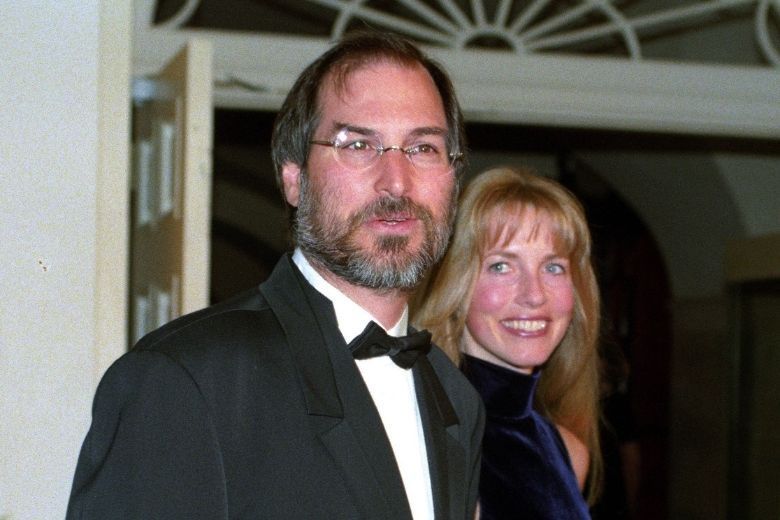
Steve Jobs invented the personal computer, but he never optimized his personal health with actual data. His fruit-only diet was extreme biohacking without algorithm oversight—he just felt like it would work. Spoiler: it didn't. Jobs believed in radical simplicity everywhere, including nutrition. He ate mostly apples, grapes, and carrots, thinking pure plant-based eating would cure everything. Meanwhile, he rarely showered and apparently smelled terrible to people around him. The irony? A man obsessed with elegant design made terrible life choices because he lacked real health data to guide his decisions.
By YEET Magazine Staff | Updated: May 13, 2026
Jobs' diet wasn't based on nutritional science. It was based on vibes. He'd fast for days, eat only fruit, then assume his body would magically optimize. No tracking. No biometrics. No AI-powered health monitoring. Just pure intuition from a guy who was, frankly, not a nutritionist.
The hygiene situation was equally chaotic. Multiple biographers noted Jobs would go weeks without bathing. He believed his fruit diet would cleanse him from the inside, making showers unnecessary. People around him disagreed. His team reportedly struggled with the smell during early Apple meetings. This is what happens when ideology replaces data.
Here's the tech angle: modern founders have access to wearables, AI health algorithms, nutrigenomics, and real-time biometric feedback. Jobs had none of that. He was making billion-dollar decisions while running on a diet that would fail any modern health algorithm. His pancreatic cancer diagnosis in 2003 might have been caught earlier if he'd been using data-driven health monitoring instead of trusting his gut (literally).
The lesson for today's tech leaders? Don't be Jobs with your body. Use the tools you built for everyone else. AI-powered health apps, automated nutrition tracking, and algorithmic wellness optimization exist now. Unlike Jobs, you have no excuse to optimize blind.
Jobs eventually regretted ignoring conventional medicine. He delayed cancer treatment by years, relying instead on fruit juice cleanses and alternative medicine. By the time he submitted to data-driven oncology, it was too late. Even a genius needs algorithms sometimes.
What did Steve Jobs actually eat? Mostly fruit—apples, grapes, and carrots. He'd go on extended fruit-only fasts and believed this would detoxify his body. He also ate nuts and occasionally fish, but always kept it "pure." He once told colleagues his diet was so clean that he didn't need to shower.
Why didn't Jobs shower? He believed his fruit-only diet would naturally keep him clean. This is not how human bodies work. His unwillingness to bathe became legendary at Apple—people actually complained about meetings with him. Even minimalism has limits.
Did his diet cause his cancer? Not directly. But his refusal to apply data-driven thinking to his health meant he delayed crucial medical treatment. When diagnosed with pancreatic cancer, he spent 9 months trying fruit juice cleanses instead of surgery. This delay likely shortened his life.
Could modern AI have helped? Absolutely. Today's health algorithms could've flagged nutritional deficiencies, recommended medical screening earlier, and tracked biomarkers that suggested something was wrong. Jobs had the money for the best health tech—he just refused to use algorithmic thinking on himself.
What's the actual science? A fruit-only diet is nutritionally incomplete. You need protein, healthy fats, B12, iron, and other nutrients fruit alone doesn't provide. Modern AI nutrition apps can calculate exactly what your body needs. Jobs did this backwards—assumed fruit was magic, then suffered the consequences.
Read more about how tech founders ignore data about their own lives or check out our piece on why CEOs need AI health monitoring.