Tanning Capsules & AI-Powered Skin Analysis: Personalized Summer Prep in 2025
Tanning capsules remain a popular beauty trend for summer preparation, but AI-powered skin analysis tools are now revolutionizing how consumers choose the right formula for their unique skin type. YEET MAGAZINE explores the science behind tanning capsules and how machine learning algorithms personal

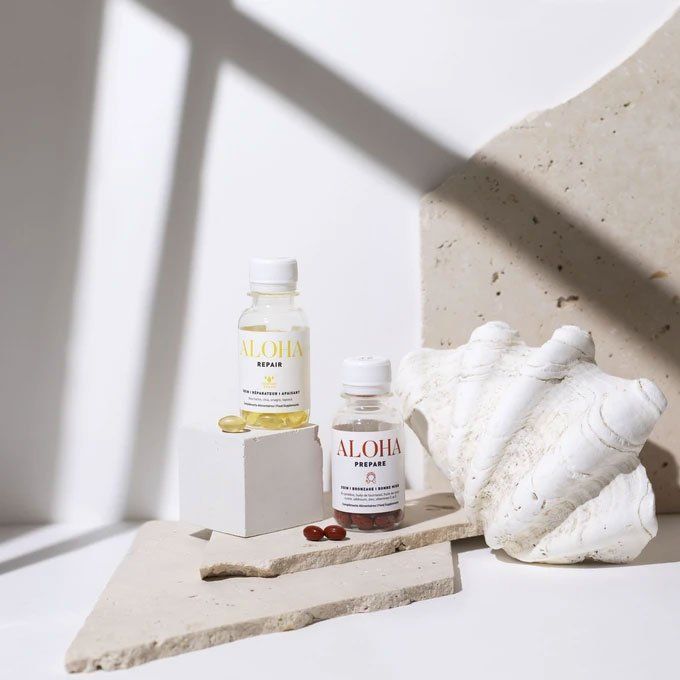
Tanning Capsules & AI-Powered Skin Analysis: Personalized Summer Beauty Preparation
YEET MAGAZINE | Updated 0200 GMT (1000 HKT) February 01, 2025
Tanning Capsules Meet Artificial Intelligence: How Tech is Revolutionizing Summer Skin Prep
Every spring, beauty enthusiasts stock up on tanning capsules—the supplement-based solution promising faster, more even tans without the burning and spotting. But here's what's new: AI-powered skin analysis platforms are now helping consumers make smarter choices about which tanning capsules work best for their individual skin profiles. YEET MAGAZINE investigates how tanning capsules deliver results, and how artificial intelligence is personalizing your pre-summer skincare strategy for maximum effectiveness.
Table of Contents
- How Do Tanning Capsules Work?
- The AI Revolution: Personalized Tanning Capsule Selection
- Why Should You Use Tanning Capsules?
- Do Tanning Capsules Cause Spots? What AI Analysis Reveals
- What's the Right Dosage for Your Skin Type?
- How to Choose the Best Tanning Capsules Using Data
- Can You Take Tanning Capsules All Year? AI Recommendations
- Self-Tanning Capsules vs. Traditional Tanning Capsules
- Best Tanning Capsules to Buy in 2025
- FAQ: Tanning Capsules & AI Skin Technology
How Do Tanning Capsules Work?
Tanning capsules contain powerful carotenoids—including beta-carotene, lycopene, and astaxanthin—which work synergistically to prepare your skin for sun exposure from the inside out. Unlike DHA-based self-tanning lotions that chemically dye the skin's surface, tanning capsules provide a natural golden undertone while enhancing melanin production and the skin's inherent ability to resist UV damage. These plant-derived pigments accumulate in fatty tissues beneath the skin, creating a subtle, gradual tan that develops over 10-15 days of consistent use.
The science is straightforward: carotenoids are fat-soluble antioxidants that migrate to the skin and reflect light at specific wavelengths, creating that coveted "sun-kissed" appearance. Beta-carotene, sourced from spirulina or natural plant extracts, is the most common active ingredient. Lycopene, found in tomatoes, adds reddish undertones ideal for deeper skin types. Astaxanthin, harvested from microalgae, provides superior antioxidant protection and is increasingly favored in premium formulations. YEET MAGAZINE notes that the efficacy of tanning capsules depends heavily on consistent daily intake, hydration levels, and the user's baseline carotenoid levels—which is where AI analysis becomes invaluable.
The AI Revolution: How Artificial Intelligence Personalizes Tanning Capsule Selection
Here's where the beauty industry is evolving: AI-powered skin analysis tools now allow consumers to input their skin type, tone, sun sensitivity, and desired results, receiving machine-learning-generated recommendations for specific tanning capsule formulations. These algorithms analyze millions of data points from dermatological studies, user reviews, and clinical trials to predict which ingredient combination will work best for your unique biology.
Advanced apps like ModiFace (owned by Unilever) and emerging beauty tech platforms use computer vision to assess your current skin pigmentation, pore size, and melanin distribution patterns. By combining this visual data with your skin history and genetic markers (if available), AI systems can recommend:
- Optimal dosage based on your body weight and metabolic rate
- Best timing for when to start tanning capsules before sun exposure
- Ingredient combinations suited to your specific skin tone and undertones
- Complementary products (sunscreens, hydration boosters) that enhance tanning capsule efficacy
- Potential interactions with medications, supplements, or dietary restrictions
This personalization is revolutionary because it eliminates the one-size-fits-all approach that has dominated the industry for decades. What works for a fair-skinned individual in Sweden won't necessarily work for someone with deeper skin tones in Brazil—and AI recognizes these nuances. YEET MAGAZINE highlights that this data-driven approach is making tanning capsules more effective and safer than ever before.
Why Should You Use Tanning Capsules?
Tanning capsules offer distinct advantages for specific skin profiles and summer preparation goals:
- Fair or sensitive skin: If you burn easily, tanning capsules provide protective carotenoids that build melanin reserves before UV exposure, reducing burn risk by up to 30% according to dermatological studies.
- Sun allergy sufferers (polymorphous light eruption): Carotenoids have been shown to suppress the inflammatory response that triggers sun allergies, allowing sun exposure to be more tolerable.
- Uneven skin tone: Tanning capsules create an even, distributed tan because the pigmentation comes from within, eliminating the blotchy patches common with topical self-tanners.
- Anti-aging benefits: Lycopene and astaxanthin are potent antioxidants that combat free radical damage caused by UV exposure, supporting skin elasticity and collagen production.
- Year-round complexion maintenance: Consistent low-dose use keeps skin glowing even during winter months when UV exposure is minimal.
- Non-staining convenience: Unlike spray tans or self-tanning lotions, tanning capsules don't transfer onto clothing, bedding, or other people—making them ideal for busy lifestyles.
Pro Tip from YEET MAGAZINE: Start tanning capsules 15-20 days before anticipated