Thailand Travel Guide: How AI Trip Planners Are Revolutionizing Thailand Vacations
Thailand, the Land of Smiles, attracts millions of travelers annually seeking tropical paradise and cultural experiences. Discover how artificial intelligence and machine learning are now optimizing Thailand travel planning, from personalized itinerary recommendations to intelligent resort selection

Thailand, Southeast Asia's largest and most captivating destination, has long enchanted travelers with its "Land of Smiles" mystique, stunning landscapes, and rich cultural heritage. Today, artificial intelligence is transforming how travelers plan Thailand vacations, from pre-arrival recommendations to on-ground experiences. This comprehensive guide explores Thailand travel through the lens of modern AI technology, featuring the exceptional Centra by Centara Coconut Beach Resort Samui as a case study in AI-enhanced hospitality.
By YEET Magazine Staff | Published: 2018-11-27
Thailand Travel Planning in the Age of AI
Planning a Thailand vacation has traditionally involved extensive research across multiple platforms, travel forums, and guidebooks. Artificial intelligence now streamlines this process dramatically. Machine learning algorithms analyze millions of traveler preferences, seasonal patterns, and personalized interests to generate tailored Thailand itineraries within seconds. AI-powered chatbots provide 24/7 assistance in multiple languages, answering questions about Thailand's culture, visa requirements, best travel times, and transportation options. Predictive analytics help identify optimal travel dates by analyzing weather patterns, crowd levels, and pricing trends across Thailand's major destinations.
For Thailand specifically, AI systems can now recommend the perfect balance of experiences—from bustling Bangkok temples to serene island retreats—based on individual travel styles, budget constraints, and personal interests. This intelligent personalization ensures every Thailand journey feels uniquely crafted.
Centra by Centara Coconut Beach Resort Samui: AI-Enhanced Luxury
Located along the peaceful south coast of Koh Samui, Centra by Centara Coconut Beach Resort Samui represents modern Thailand hospitality enhanced by artificial intelligence. Positioned just 15 minutes from Nathon Ferry Terminal and scenic Lamai Beach, this 4-star property faces pristine white sand beaches and offers easy access to nearby snorkeling islands like Kho Tan and Ko Mat Sum. The resort sits approximately 35 kilometers from Koh Samui Airport (45 minutes to 1 hour by road).
AI technology now enables resorts like Centra by Centara to personalize guest experiences from the moment of booking. Intelligent systems analyze previous guest preferences, room selection patterns, and behavioral data to anticipate needs before guests arrive. Machine learning algorithms optimize room assignments, suggesting accommodations that match individual preferences for views, proximity to amenities, and accessibility requirements. This predictive personalization transforms Thailand resort stays from standard hospitality into anticipatory experiences.
AI-Optimized Room Selection at Thailand Resorts
Centra by Centara Coconut Beach Resort Samui offers 54 thoughtfully designed rooms and suites spread across two floors within a tropical garden setting. The property features three main room categories, each strategically designed for different traveler preferences. Superior Pool View rooms and Deluxe Pool Access accommodations both span 44 square meters, providing generous space for families and couples exploring Thailand.
AI room management systems now help match guests with optimal accommodations during the Thailand booking process. These intelligent systems consider room orientation for natural light, proximity to facilities based on mobility needs, noise levels from different locations, and guest preference histories. Every room includes modern amenities: television, WiFi connectivity, private balconies or terraces, coffee makers, kettles, individually controlled air conditioning, safes, direct dial phones, satellite/cable television, and complimentary high-speed WiFi access.
Bathrooms feature shower and bathtub combinations, hair dryers, and premium toiletries. Daily housekeeping services and personalized wake-up call services complement the Thailand resort experience. All accommodations maintain strict non-smoking policies, ensuring clean air throughout.
Understanding Thailand Resort Accommodation Capacity
The Centra by Centara accommodates diverse family configurations, essential for Thailand group travel:
- Single Occupancy: One adult per room, with supplement options available
- Double Occupancy: Two adults or one adult plus one child
- Triple Occupancy: Two adults plus one child, one adult plus two children, or three adults
Children benefit from preferential Thailand resort rates (ages 2-12 in private sales), though single-parent combinations may see adjusted pricing. At least one adult (18+ years) is mandatory per Thailand resort accommodation. Infants under two years old can stay at Centra by Centara without requiring dedicated air seating.
AI booking systems now calculate optimal room configurations based on family composition, anticipated needs, and budget parameters. These intelligent platforms instantly present suitable Thailand accommodation options, reducing booking complexity significantly.
Culinary Excellence at Thailand Resorts: AI-Enhanced Dining
Centra by Centara Coconut Beach Resort Samui features sophisticated dining experiences enhanced by artificial intelligence. The property operates Mix Bistro, serving guests throughout the day with carefully curated menus. AI dietary preference systems now analyze guest profiles, allergies, cultural preferences, and nutritional requirements to provide personalized Thailand dining experiences. Smart reservation systems optimize table assignments, predict peak dining times, and suggest menu items aligned with individual tastes.
Guests at this Thailand resort select from multiple dining packages during the booking process: Continental breakfast, half-board (excluding beverages), or full-board arrangements (excluding beverages). AI meal planning systems create diverse daily menus preventing repetition during extended Thailand stays, while predicting optimal ingredient sourcing and preparation efficiency.
VP Member Benefits and AI Loyalty Programs
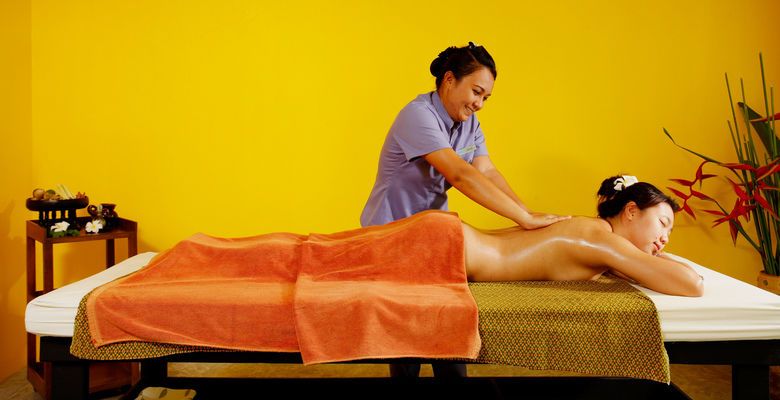
Member benefits at Centra by Centara now leverage artificial intelligence to enhance Thailand wellness experiences. Each guest receives one 60-minute Thai massage or therapeutic oil massage, complemented by AI spa scheduling systems that optimize therapist assignment based on guest preferences and therapeutic needs. These intelligent booking algorithms reduce wait times while ensuring consistent service quality throughout Thailand spa experiences.
Maximizing Your Thailand Adventure with Technology
Modern Thailand travel increasingly incorporates artificial intelligence across all planning stages. AI-powered travel apps provide real-time recommendations for nearby attractions, restaurants, and activities based on your current location and preferences. Computer vision technology helps identify Thailand landmarks through smartphone cameras, providing instant historical and cultural context. Machine learning algorithms analyze weather patterns to suggest optimal daily activity planning during your Thailand vacation.
Intelligent translation apps eliminate language barriers throughout Thailand, while AI navigation systems provide efficient route planning across Koh Samui and neighboring islands. Financial technology integrates optimal currency exchange rates and international transaction recommendations, maximizing Thailand travel budgets.
Frequently Asked Questions About Thailand Travel and AI Planning
Q: How far is Centra by Centara Coconut Beach Resort Samui from Koh Samui Airport?
A: The Thailand resort sits approximately 35 kilometers from Koh Samui Airport, requiring 45 minutes to one hour by road transportation.
Q: What room options are available at this Thailand resort?
A: Centra by Centara offers Superior Pool View and Deluxe Pool Access accommodations, both measuring 44 square meters, with capacity for single, double, and triple occupancies.
Q: Can AI help optimize my Thailand itinerary?
A: Yes, AI trip planning systems analyze your preferences, budget, and travel dates to create personalized Thailand itineraries highlighting optimal experiences and minimizing logistics challenges.
Q: What dining options does Centra by Centara provide for Thailand visitors?
A: The Thailand resort features Mix Bistro with breakfast, half-board, and full-board options. AI systems personalize menu selections based on dietary preferences