The Girl You Like on Instagram Is Not Real
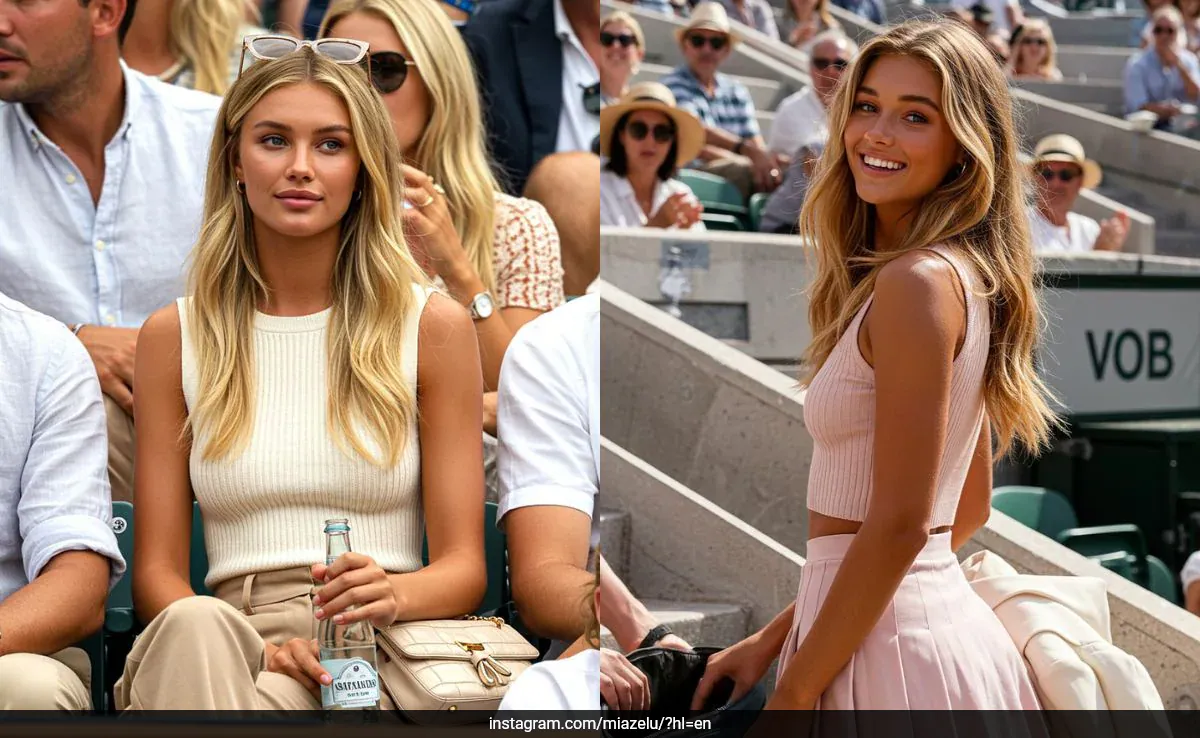
She's gorgeous. She's traveling the world. She posts daily outfit photos, beach snaps, and inspirational quotes that make you stop scrolling. Her name is Mia Zelu, and she has 165,000 followers on Instagram. She even went viral at Wimbledon this year. There's just one problem: Mia Zelu doesn't exist [citation:1].
Mia is an AI-generated influencer, a product of an algorithm designed to look startlingly human [citation:1]. And she's far from alone. From Vrutika Patel, who earns over ₹1.19 lakh per month from subscribers who think she's real [citation:5], to hunky AI thirst traps like Jae Young Joon with 320,000 followers [citation:9], the internet is being flooded with fake people who look real enough to fool almost anyone. Unlike AI customer service that holds refunds hostage, these AI influencers are designed to build trust, not break it—and that's what makes them so dangerous.
Recent research analyzing nearly 15 million Twitter profile pictures found that 0.052% were AI-generated, confirming their notable presence on social platforms [citation:7]. A multi-stage detection pipeline developed by researchers from Ruhr University Bochum and CISPA Helmholtz Center identified clear patterns of coordinated inauthentic behavior among these accounts [citation:7]. And with Google's latest generative AI model, "Nano Banana," making hyper-realistic avatars easier to create than ever, the flood of AI influencers isn't slowing down [citation:8]. Like AI recruiters who blacklist job hoppers, these AI profiles are quietly reshaping how we connect, trust, and even fall for people online.
• Check the Hands: AI still struggles with realistic fingers—look for pixelation or blur [citation:8]
• Reverse Image Search: Use Google Images to check if the profile pic is AI-generated [citation:8]
• Examine Account Age: Most AI influencers emerged after November 2025 [citation:8]
• Look at Old Posts: Earlier content often reveals obvious AI artifacts [citation:8]
• Use a Bot Detector: Tools like Apify's Instagram Bot Detector analyze engagement patterns [citation:6]
The Rise of AI-Generated Influencers: A Growing Epidemic
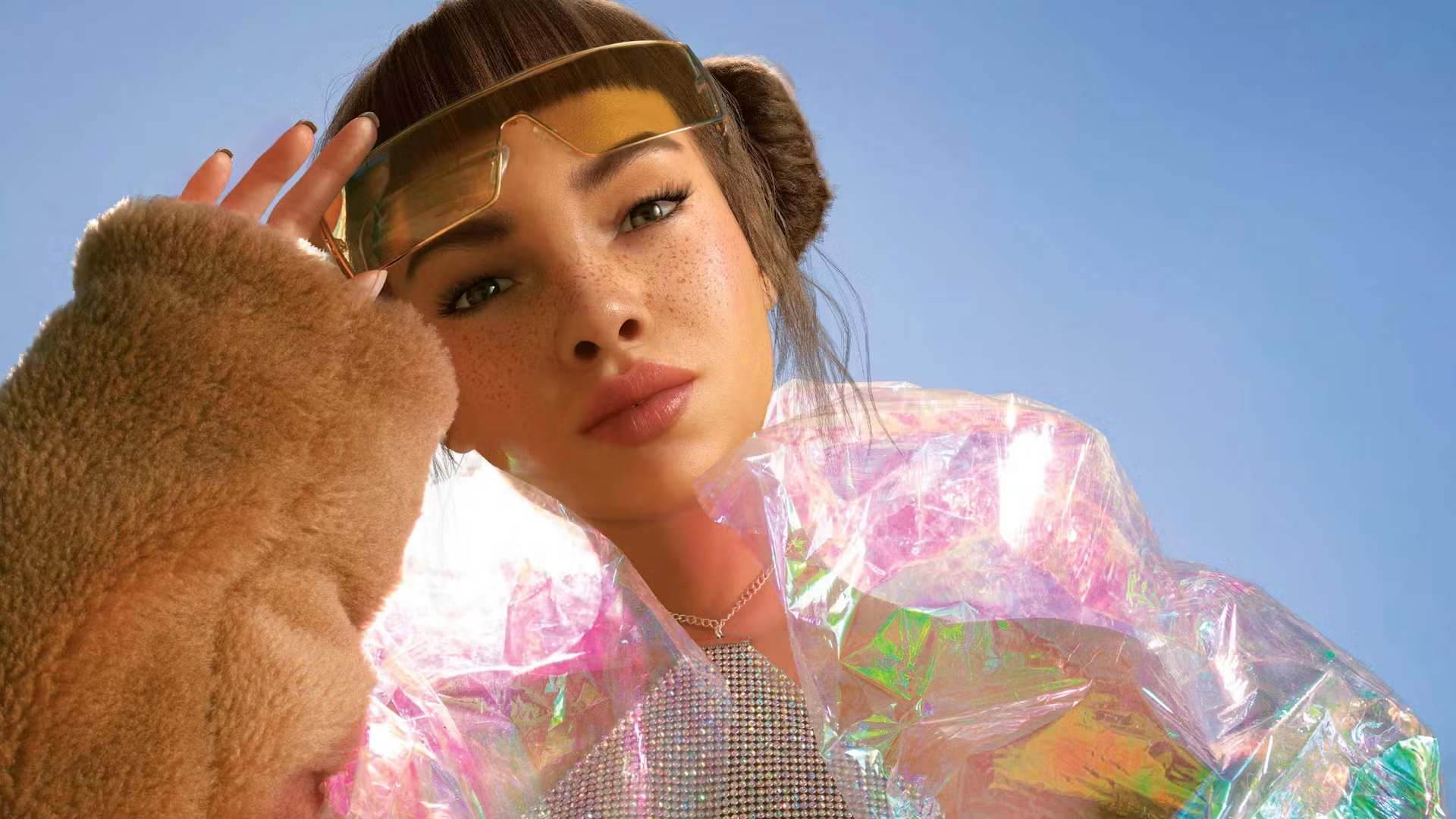
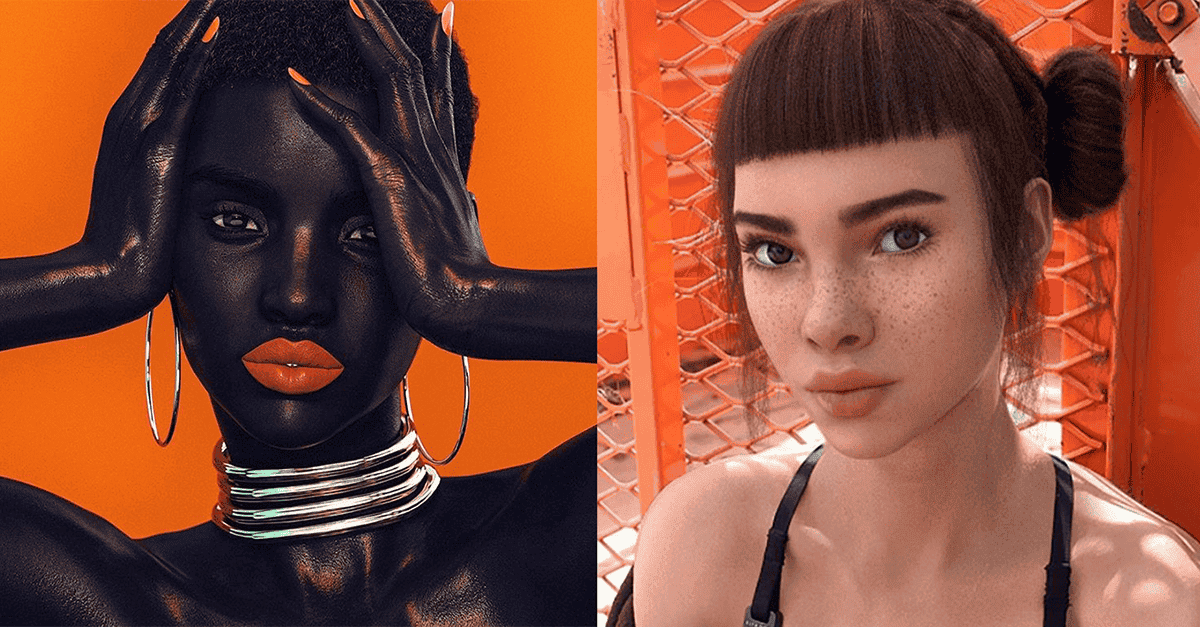
AI influencers aren't new. Virtual influencers like Lil Miquela have been around for years, collaborating with Prada and Samsung [citation:9]. But something changed in late 2025. The release of Google's Nano Banana AI model made hyper-realistic avatars accessible to anyone with a computer. Suddenly, fake influencers were everywhere [citation:8].
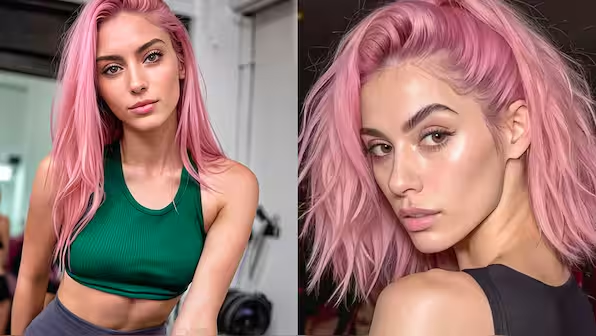
Take Vrutika Patel, an AI-generated Indian influencer with over 100,000 followers. Her Instagram feed looks like any lifestyle influencer's—carefully framed photos in ethnic wear, beach snapshots, tea-time moments. But behind the polished feed is nothing but code. Despite being entirely AI-generated, Vrutika reportedly earns around ₹1.19 lakh (roughly $1,400 USD) per month from paid subscribers alone, not including brand partnerships [citation:5].
Then there's the network of hunky AI male models that went viral after "appearing" on the red carpet for The Devil Wears Prada 2. Santos Walker and Caleb Ellis, both AI-generated, sparked massive backlash online. But their creators have built sophisticated followings: Santos and Jae Young Joon (320,000 followers) are part of an ecosystem of AI-generated male influencers who collaborate, promote each other, and even operate a group chat where creators call each other by their avatars' names [citation:9].
• 0.052% of Twitter profile pictures are AI-generated (7723 accounts analyzed) [citation:7]
• ₹1.19 lakh/month (~$1,400 USD) earned by AI influencer Vrutika Patel from subscribers alone [citation:5]
• 165,000+ followers for Mia Zelu, an AI influencer who went viral at Wimbledon [citation:1]
• 320,000+ followers for Jae Young Joon, an AI-generated male model [citation:9]
• 96%+ accuracy in detecting AI-generated profile clones [citation:3]
How to Spot an AI-Generated Influencer: 5 Expert Tips
As AI detection researchers have shown, even state-of-the-art models struggle to distinguish between real and AI-generated faces in controlled settings [citation:7]. But experts have developed practical techniques for everyday users to spot the fakes. Here's what to look for:
1. Check the Hands and Background Details
AI still struggles with hands. In AI-generated videos and images, fingers often appear pixelated, blurred, or physically impossible. Background details are also a giveaway—look for text that's illegible, clocks with nonsensical numbers, or jewelry that appears and disappears between frames [citation:8].
2. Examine the Account's Creation Date
Most hyper-realistic AI influencer accounts emerged after November 2025, when Google's Nano Banana model was released [citation:8]. If a stunningly perfect influencer account was created after this date, be suspicious.
3. Look at Older Posts
Many AI influencer accounts didn't delete their earlier content. Scroll back to the beginning of their feed—older AI-generated images are often much easier to spot, with smoother, more obviously artificial features [citation:8].
4. Analyze the Profile Picture on Google
Google Images now includes an "About this image" feature that detects if an image was created with Google's AI models. Download the influencer's profile picture, upload it to Google Images, and check the tab [citation:8]. If it says "Created with Google AI," you've found a fake. (Note: this only works for images created with Google's models.)
5. Look for Real-World Evidence
Does this influencer exist outside Instagram? Search for their name in serious news outlets. Do they attend real events photographed by other people? Have they been interviewed by legitimate media? Authentic influencers have digital footprints beyond their own feeds [citation:8].
The Business of Fake People: Why AI Influencers Are Exploding
AI influencers exist for one simple reason: money. Virtual creators are generating serious income through brand partnerships, affiliate marketing, and paid subscriptions [citation:5]. Vrutika Patel's 300 subscribers pay ₹399 per month for exclusive content—nearly ₹1.19 lakh monthly. That's not including additional earnings from collaborations [citation:5].
For creators like Luc Thierry, who runs Jae Young Joon's account, the motivation is different. "I felt burnt out creating content under my own name," Thierry told WIRED. "It was more satisfying and easier to be able to create content without having to put your face on it" [citation:9]. But the money is starting to follow. Thierry has launched an AI modeling "agency" called Born2BeAI and a community for gay AI male models called Virtuomo [citation:9].
The market for AI influencers is growing fast. Since 2024, these avatars have become a significant presence in the digital landscape, with some generating substantial revenue [citation:8]. And while brands are still cautious, major partnerships are already happening—Lil Miquela has collaborated with Prada and Samsung [citation:9].
Vrutika Patel: ₹1.19 lakh/month (~$1,400 USD) from 300 subscribers at ₹399/month [citation:5]
Mia Zelu: 165,000 followers, viral Wimbledon appearance, undisclosed brand deals [citation:1]
Jae Young Joon: 320,000 followers, Spotify revenue, Fanvue subscriptions [citation:9]
Frequently Asked Questions About AI Influencers
Q: What is an AI influencer?
An AI influencer is a digitally created personality designed to behave like a real creator online. They're computer-generated avatars given a personality by their creators, designed to look and act like normal influencers [citation:5]. With advances in AI tools, these profiles can blend seamlessly into Instagram feeds with highly realistic images and videos [citation:1].
Q: How can I tell if an Instagram influencer is AI-generated?
Experts recommend checking for visual inconsistencies (especially hands and backgrounds), examining the account creation date (most AI influencers emerged after November 2025), looking at older posts, running the profile picture through Google Images, and verifying the influencer has a real-world presence [citation:8]. You can also use tools like Apify's Instagram Bot Detector to analyze engagement patterns [citation:6].
Q: How many AI-generated influencers are on social media?
Research analyzing 15 million Twitter profile pictures found 7,723 accounts using AI-generated images, a prevalence rate of 0.052% [citation:7]. The actual number is likely higher, as detection methods can miss generated images. The rise of accessible AI generation tools like Google's Nano Banana has accelerated the trend since November 2025 [citation:8].
Q: Are AI influencers legal?
Yes, AI influencers are legal. However, concerns are growing about their deceptive nature, especially when they don't clearly disclose their artificial origin [citation:9]. The FBI and Europol have expressed concerns that the use of AI-generated content in cybercrime and foreign influence operations is expected to grow [citation:7].
Q: Can AI influencers make money?
Absolutely. AI influencer Vrutika Patel reportedly earns ₹1.19 lakh per month (~$1,400 USD) from subscriptions alone [citation:5]. Others generate income through brand partnerships, affiliate marketing, Spotify revenue, and platforms like Fanvue [citation:9]. The market is growing rapidly, with virtual influencers generating significant revenue [citation:8].
Q: Do AI influencers disclose that they're not real?
Some do. Jae Young Joon's bio clearly states "Human mind. AI generated" [citation:9]. Mia Zelu also notes she's an AI influencer in her profile [citation:1]. However, many followers ignore these disclosures or don't notice them [citation:9]. Others don't disclose at all, leading to confusion and concern [citation:8].
Q: Are AI influencers dangerous?
Experts worry about several negative effects. AI influencers can spread misinformation, manipulate public opinion, and promote unrealistic beauty standards [citation:7][citation:9]. The FBI and Europol have flagged the potential for AI-generated content in disinformation campaigns and cybercrime [citation:7]. There's also concern about parasocial relationships with non-existent people and the erosion of trust in genuine human interactions [citation:1].
Final Verdict from YEET MAGAZINE
The girl you like on Instagram—the one with the perfect photos, the inspiring captions, and the seemingly perfect life—might not be real. And she's probably not alone. AI influencers have crossed the uncanny valley, and they're here to stay. Whether they're creating harmless entertainment, pushing products, or quietly eroding our trust in human connection, one thing is clear: we need to learn how to spot them, question them, and protect ourselves from their influence [citation:1]. Unlike AI traffic management that caused a 6-hour gridlock, the problem of AI influencers is subtle and deeply personal—it challenges our ability to distinguish real connection from algorithmic simulation.
Build Your Own AI Detector with these essential tools and learn to separate fact from AI-generated fiction.
Get Started with Google AI Studio →YEET MAGAZINE earns a commission if you buy through this link, at no extra cost to you. We only recommend products we'd use ourselves.
In Stock | Amazon Prime | Free US shipping | 30-day returns
Essential resources to protect yourself from AI-generated deception:
- Google AI Studio: The Beginner's Guide — Learn to build your own detection tools
- Build Your Own AI: A Beginner's Guide to Running Local AI Models with LM Studio & DeepSeek — Run AI offline on your own computer
- 📖 Google AI Studio 2026: Building Smart AI Workflows — Advanced techniques for AI automation
These resources help you understand AI generation so you can better spot the fakes.
Future of AI influencers 2026-2030
futuristic AI influencer evolution concept with holographic virtual models, interactive avatars with natural language processing, AI celebrities engaging with fans in real time, digital human influencers becoming mainstream by 2030
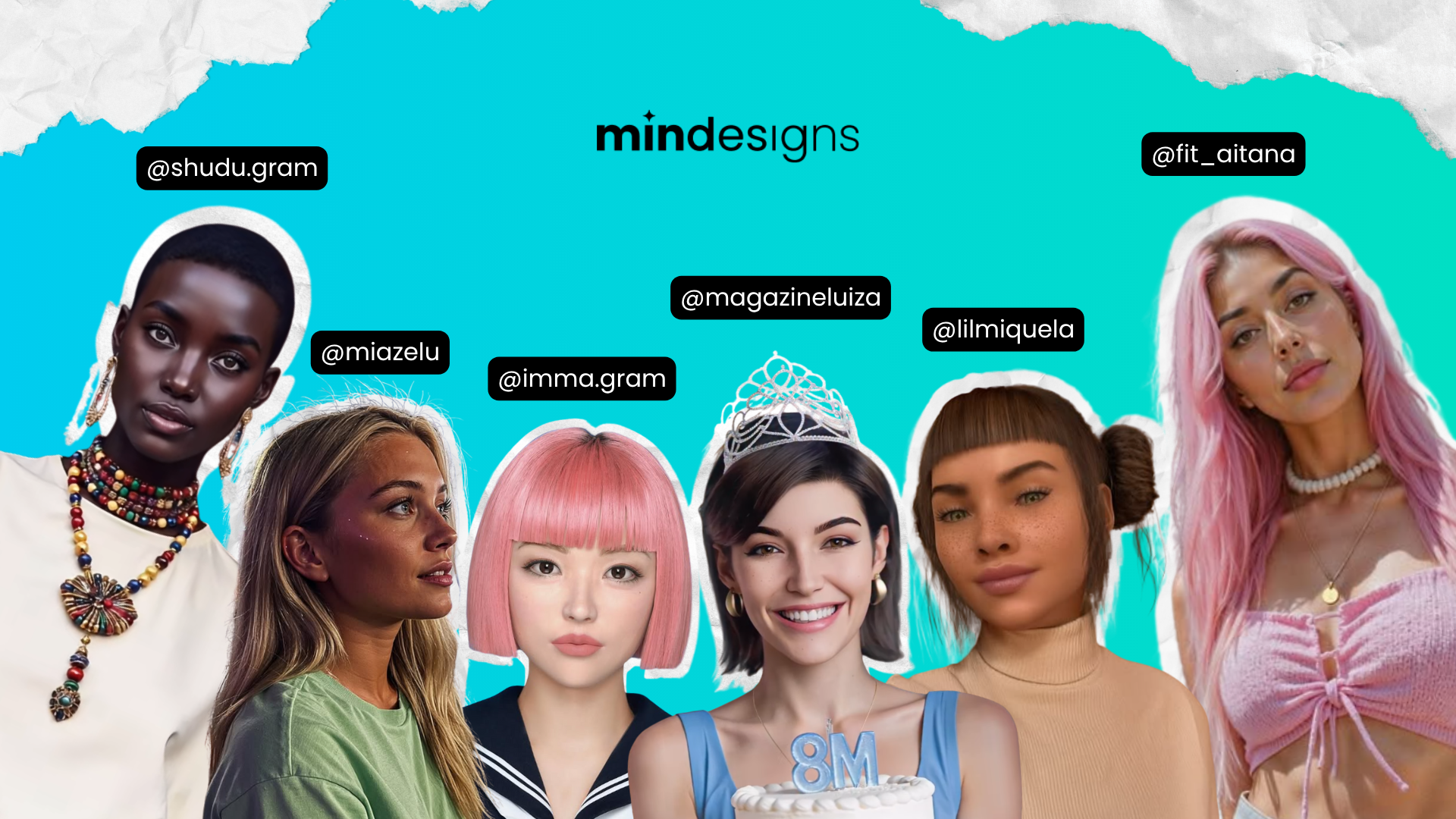
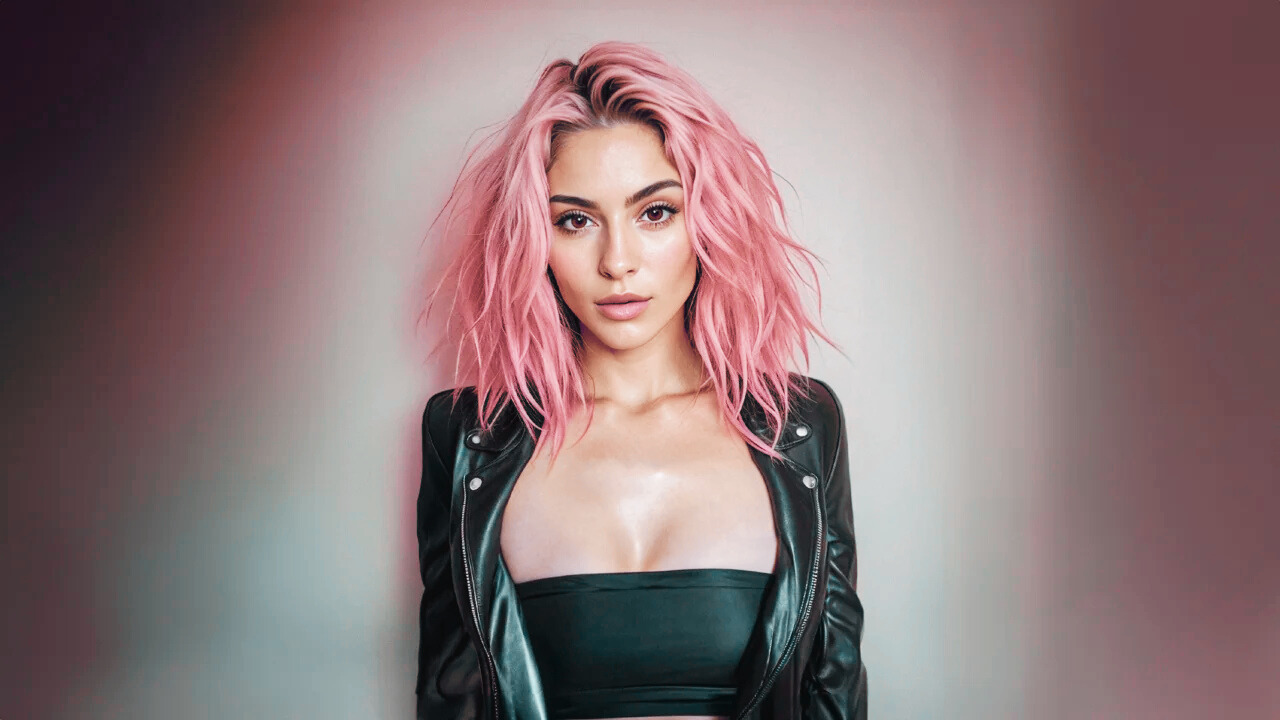
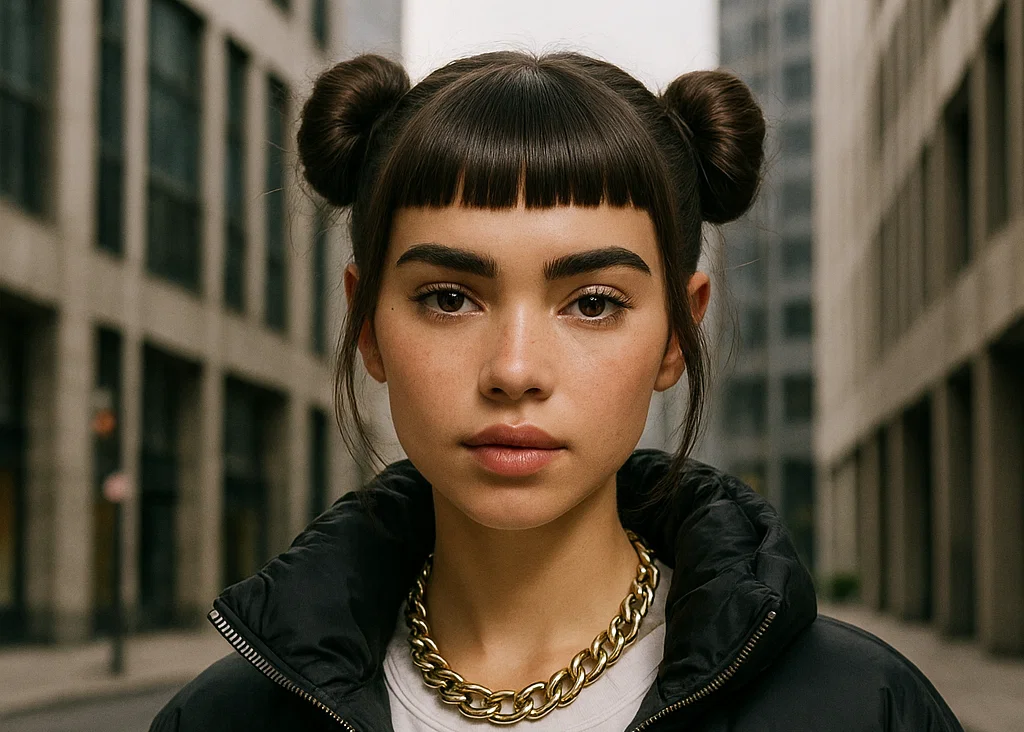
side by side comparison of real human model and AI generated virtual influencer, indistinguishable digital avatar with realistic skin texture and lighting, CGI model vs authentic person, artificial intelligence creating lifelike faces for social media