Top Consumer Robots 2024: How AI Is Transforming Home Automation
The consumer robotics market in 2024 is booming with AI-driven innovations that are revolutionizing how we manage our homes. From self-emptying vacuums with intelligent mapping to autonomous pet care systems, today's consumer robots leverage machine learning and automation to save time and improve d

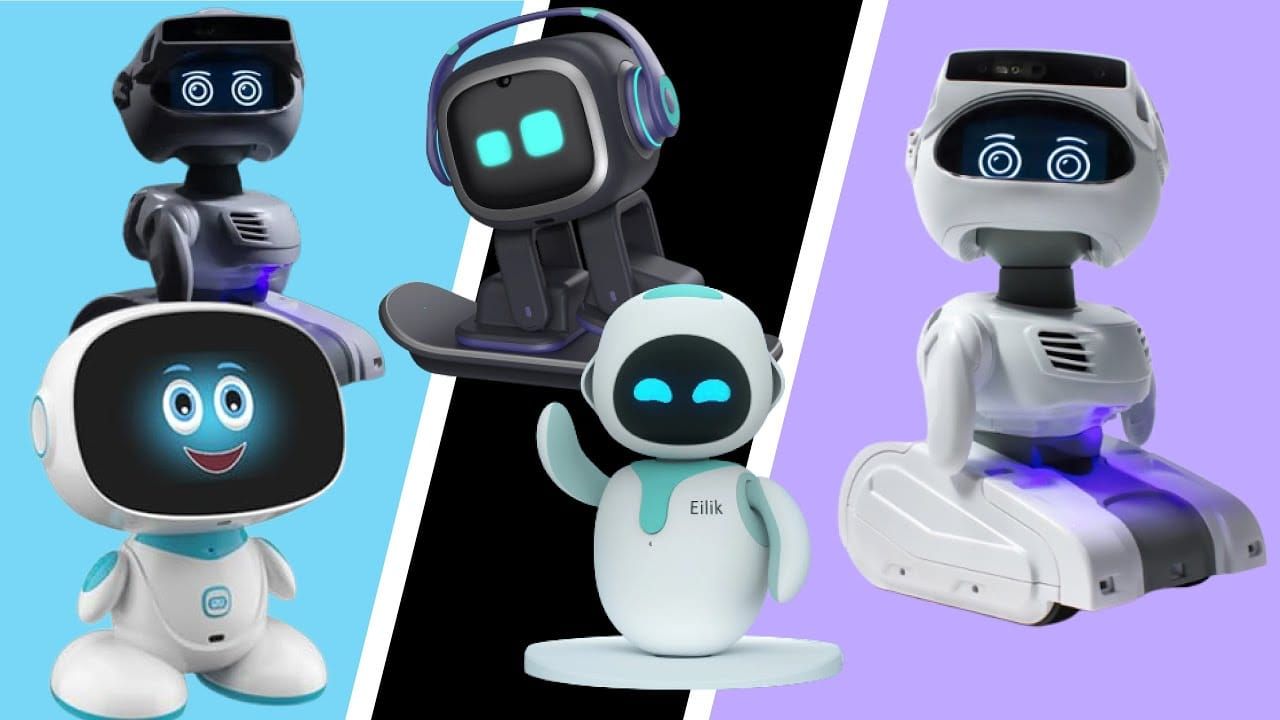
The consumer robots market in 2024 represents a watershed moment in home automation, where artificial intelligence and machine learning technologies are fundamentally transforming how households manage cleaning, pet care, security, and lawn maintenance. Whether you're looking to automate mundane household tasks or invest in cutting-edge smart home technology, the selection of consumer-grade robots available today offers unprecedented convenience powered by sophisticated AI algorithms.
By The Editorial Team – YEET MAGAZINE | Published: December 4, 2024, 10:00 AM | Updated: December 4, 2024, 3:45 PM
AI-Powered Cleaning Robots: The Intelligence Behind Your Spotless Floors
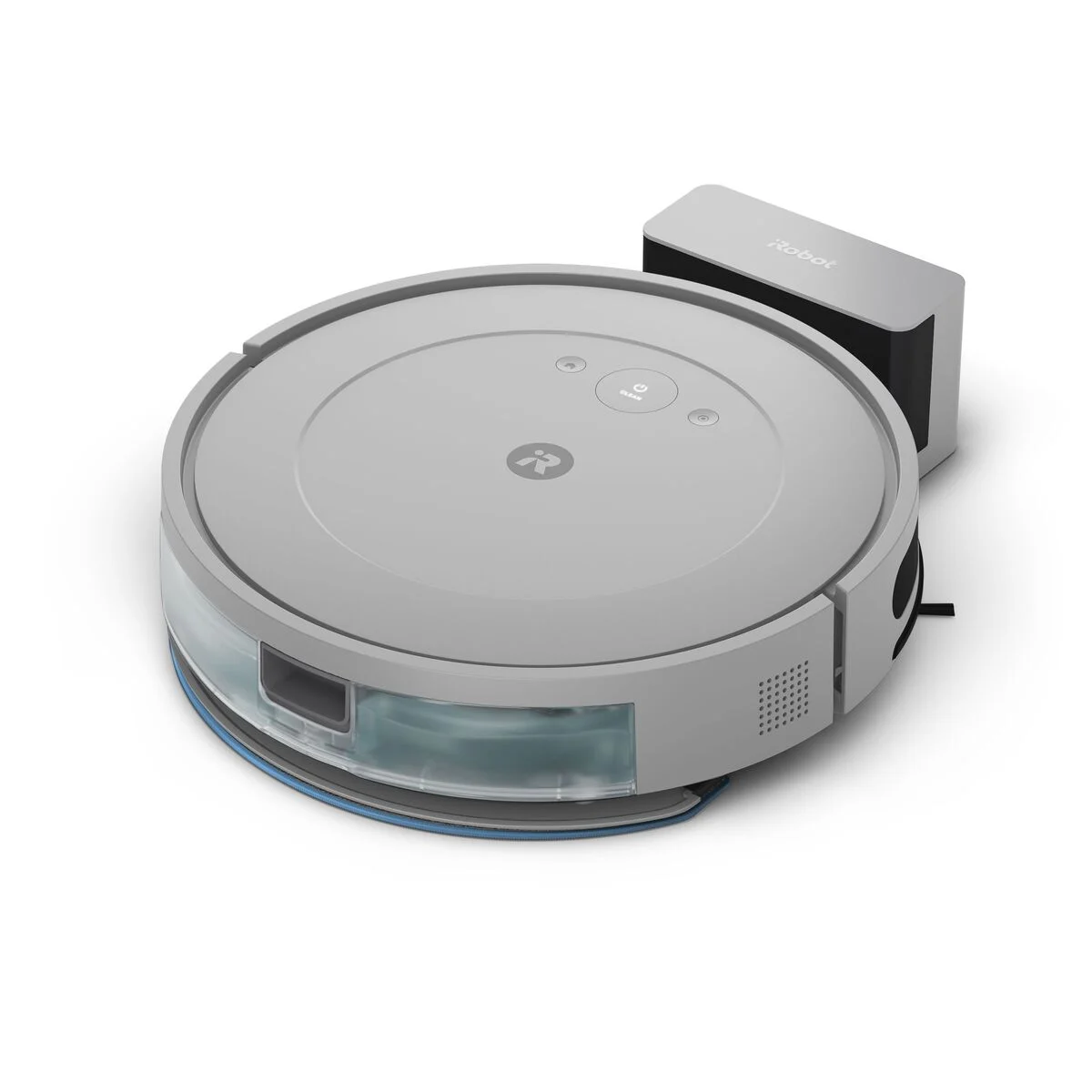
Consumer robots designed for cleaning have evolved dramatically thanks to embedded artificial intelligence systems. The Roborock self-emptying vacuum exemplifies this revolution, utilizing advanced LIDAR mapping and machine learning algorithms to navigate homes with surgical precision. Unlike older robot vacuum models that relied on random pathing, today's cleaning robots employ AI-driven room recognition, allowing them to distinguish between hardwood floors and carpets, adjust suction power automatically, and create optimized cleaning routes that reduce energy consumption while maximizing coverage.
The Roborock lineup integrates sophisticated obstacle detection powered by AI computer vision, enabling these consumer robots to avoid pet toys, power cords, and household hazards without human intervention. The self-emptying capability—a game-changer for busy households—uses automation to transfer collected dust into a sealed bin, reducing contact with allergens and extending cleaning cycles to several weeks. With mobile app integration and voice assistant compatibility, users can command their cleaning robots remotely, schedule recurring cleanings using predictive algorithms that learn household traffic patterns, and receive real-time notifications about cleaning progress.
iRobot Roomba models continue competing aggressively in the consumer robots space by incorporating similar AI technologies. Newer Roomba iterations feature smart mapping that learns your home's layout, identify room types through machine learning, and even integrate with smart home ecosystems to coordinate with other automated devices. The mopping capabilities on premium models use adaptive algorithms to adjust water dispensation based on floor type and detected dirt levels—a perfect example of how AI enhances fundamental household tasks.
Intelligent Pet Care: How AI Consumer Robots Are Revolutionizing Pet Management
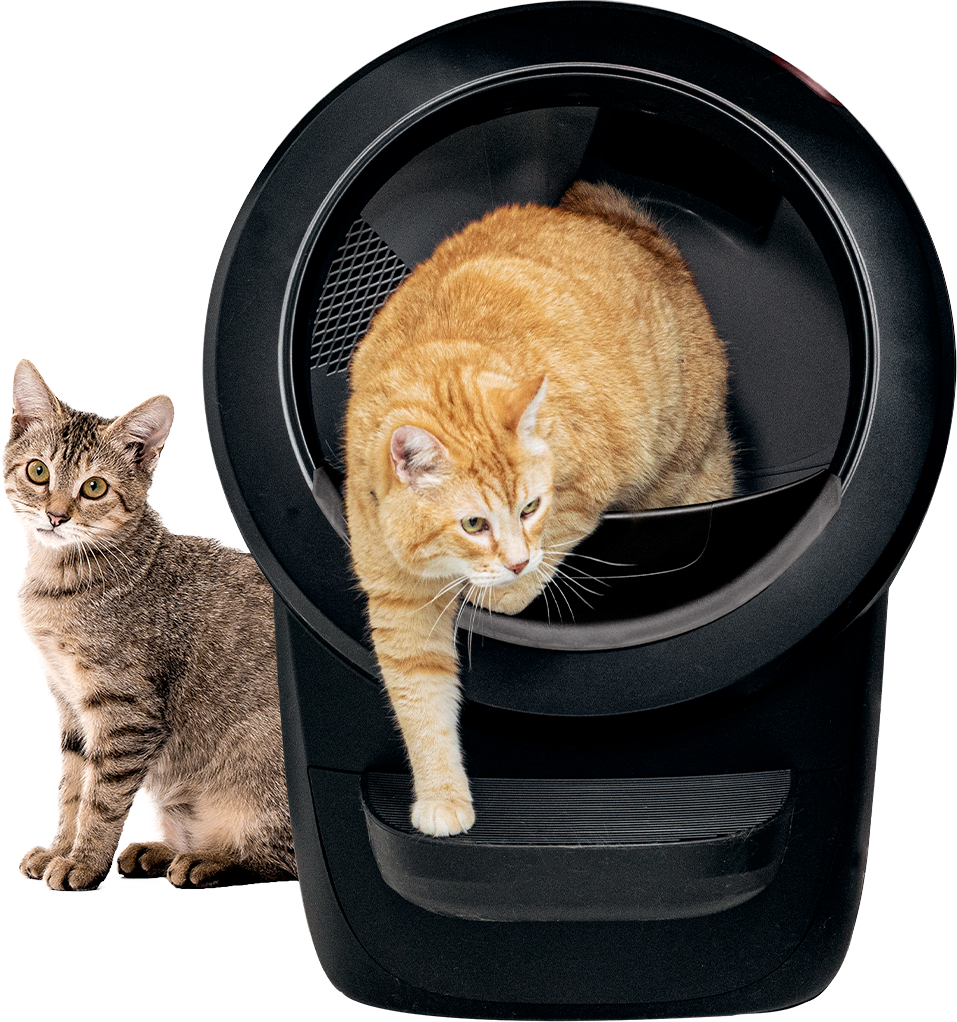
The Litter-Robot Wi-Fi litter box stands as a testament to how consumer robots are solving previously intractable household problems through intelligent automation. This device employs weight-sensing AI algorithms to detect when cats use the litter box, triggering an automated sifting mechanism that separates waste from clean litter within minutes of use. The result? A continuously fresh litter box that eliminates odors before they permeate your home—all without human intervention.
What truly distinguishes the Litter-Robot among consumer robots is its connected intelligence. The Wi-Fi-enabled system sends real-time notifications to your smartphone whenever your cat uses the box, providing health insights through AI analysis of usage frequency and patterns. Pet owners can monitor their animals' wellbeing even while traveling, receiving alerts if usage patterns deviate from normal—a feature that can help detect urinary tract infections or other health issues early. The built-in carbon filtration system, controlled by smart automation, optimizes odor elimination timing based on usage patterns your device learns over time.
Beyond the Litter-Robot, the pet care consumer robots category continues expanding. Automated pet feeders equipped with AI computer vision can recognize individual pets and dispense customized portions, while some models integrate with activity trackers to adjust feeding based on your pet's exercise levels. These interconnected consumer robots create a comprehensive pet management ecosystem that would have been science fiction just five years ago.
Amazon Astro and Home Assistant Robots: Your AI-Powered Home Guardian
Amazon Astro represents an entirely new category of consumer robots—the mobile home assistant. This wheeled device combines a touchscreen display, camera, microphone, and speaker with sophisticated AI algorithms that enable it to navigate your home autonomously. Unlike stationary smart speakers, Astro can move between rooms, patrol your house when you're away, and provide visual monitoring through its integrated cameras.
The consumer robots in this category leverage advanced machine learning for several critical functions. Astro's movement algorithms allow it to navigate around obstacles, recognize family members, and even express personality through its screen-based reactions. For home security, the device can detect unusual movement patterns and send alerts to your smartphone. The AI-powered natural language processing enables conversational interactions that feel more natural than traditional voice commands, making Astro genuinely useful as opposed to merely gimmicky.
The Ring Always Home Cam drone camera extends this concept by automating home surveillance entirely. This flying consumer robot uses AI pathfinding to autonom