Yeet's Backpacker's Guide To Vietnam + AI Travel Planning
Vietnam's natural beauty and cultural richness make it a top backpacking destination. This guide combines traditional travel wisdom with cutting-edge AI travel planning tools to help you craft the perfect itinerary, discover hidden gems, and travel smarter.

Yeet's Backpacker's Guide To Vietnam: AI-Enhanced Travel Planning
Vietnam has long captivated backpackers with its stunning natural landscapes, from verdant rice terraces in the north to the chaotic energy of the Mekong Delta in the south. But here's what's changed: AI travel planning tools are revolutionizing how backpackers navigate Vietnam's best destinations, optimize routes, and discover hidden gems that traditional guides miss.
By YEET Magazine Staff | Published: 2018-06-09
Why AI Travel Planning Changes Everything
Modern AI travel assistants can now analyze weather patterns, crowd density, price fluctuations, and personalized preferences to suggest itineraries that would take humans weeks to research. Tools like AI-powered route optimizers consider factors like travel time, accommodation costs, visa requirements, and seasonal conditions—creating dynamic itineraries that adapt to real-time changes. Instead of rigid guidebooks, you get recommendations that evolve based on current conditions and your personal travel style.
Vietnam's Essential Backpacking Destinations
Ho Chi Minh City: The Backpacker Hub
Ho Chi Minh City remains Vietnam's most accessible entry point for backpackers. The War Remnants Museum and Cu Chi Tunnels offer profound historical context, while the Pham Ngu Lao district delivers budget-friendly accommodation, street food, and nightlife. AI tip: Use machine learning algorithms to predict which neighborhoods will trend among backpackers (and their rising prices) so you can adjust accommodation searches accordingly. Many AI travel apps now track real-time hostel pricing and can alert you to deals within hours of posting.
Halong Bay: UNESCO Wonder Optimized
The crown jewel of Vietnam backpacking, Halong Bay's nearly 3,000 limestone islands create an otherworldly seascape. Kayaking, cave exploration, and floating villages define the experience. AI enhancement: Predictive analytics can suggest optimal visiting windows—analyzing rainfall data, tourist density, and sea conditions to recommend the best 3-5 day window for your visit. Some AI platforms now provide real-time tide and weather forecasting specifically for kayaking safety.
Hue: Imperial Architecture & Smart Routing
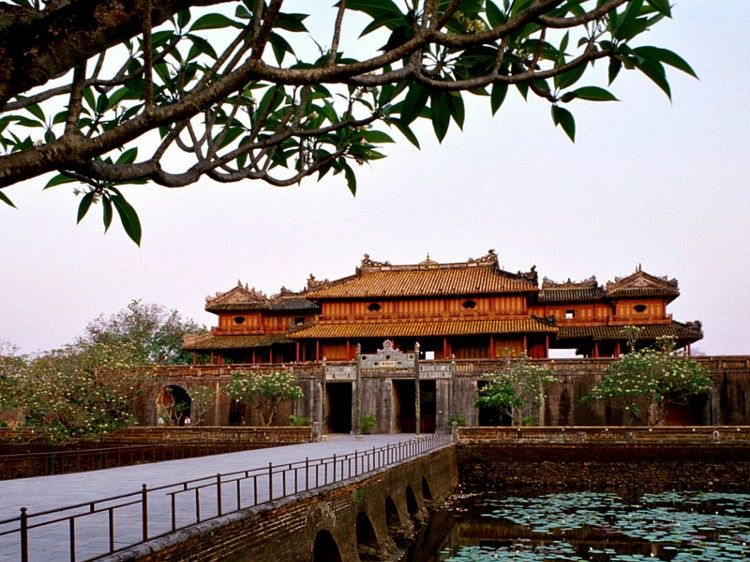
Vietnam's ancient capital showcases the Imperial Citadel and royal tombs—stunning examples of Buddhist architecture and design. AI travel planners can generate optimal walking routes between these historical sites, accounting for heat, crowds, and opening hours to maximize your experience while minimizing unnecessary backtracking.
Hoi An: Tailor-Made Fashion & Data-Driven Shopping
Hoi An's legendary custom tailoring attracts backpackers seeking bespoke clothing at incredible prices. AI recommendation engines now analyze customer reviews and tailor shop ratings across dozens of platforms, helping you avoid tourist traps and find highly-rated craftspeople. Some apps track which tailors deliver within your timeframe and budget—crucial for travelers on tight schedules.
Nha Trang: Beach Thrills & Activity Intelligence
Vinpearl theme park, cable cars, and marine activities make Nha Trang a beach lover's paradise. AI tools can bundle activities, predict wait times, and suggest optimal visiting schedules to avoid peak crowds.
Sapa: Mountain Markets & Scenic Treks
This misty market town offers Vietnamese and European cuisine alongside legendary rice terrace treks. AI hiking apps provide real-time trail conditions, difficulty ratings, and can suggest alternative routes based on current accessibility.
Phu Quoc Island: Tropical Water Sports Paradise
White sand beaches and crystal waters beckon snorkelers, scuba divers, and water sports enthusiasts. AI-powered marine apps now provide real-time visibility reports, sea life identification, and safety recommendations for diving and snorkeling conditions.
Vietnamese Markets: Sensory Overload Meets Data
The markets—especially floating markets in the Mekong Delta—pulse with life, color, and commerce. AI crowd-sensing technology can predict market peak hours, helping you time visits for authentic (less touristy) experiences or avoid overwhelming crowds entirely.
Mui Ne Fishing Village: Photogenic & Well-Documented
Colorful fishing boats and dramatic sand dunes create Instagram-worthy landscapes. AI image recognition can help identify prime photography spots and optimal lighting times, transforming you into a better travel photographer.
Smart Transportation: Beyond Motorbikes
While motorbike rentals offer countryside immersion, AI navigation platforms have revolutionized Vietnam travel. Real-time traffic apps account for unpredictable road conditions, suggest route alternatives, and provide safety recommendations. Some AI tools even factor in fuel costs, toll roads, and mechanical reliability to help budget-conscious backpackers choose optimal transport methods for each journey.
Best Time To Visit: AI Weather Prediction
Vietnam's hot, dry climate (except monsoon season May-October) traditionally limited optimal travel windows. Today's AI weather forecasting has become remarkably accurate 3-6 months ahead. Machine learning models analyze historical patterns, climate indicators, and even solar activity to provide increasingly precise predictions—helping you book flights and accommodations with confidence.
FAQ: AI & Backpacking Vietnam
Q: Can AI really save me money backpacking Vietnam?
A: Yes. AI price prediction tools monitor accommodation, flight, and activity costs across platforms, alerting you to discounts and optimal booking windows. Studies show AI-planned trips cost 15-25% less than traditional bookings.
Q: What's the best AI tool for planning a Vietnam itinerary?
A: Tools like Wanderlog (AI itinerary builder), Nomadic Matt's recommendations (curated with AI analysis), and Rome2Rio (route optimization) are popular. Many combine AI with human expertise.
Q: How do AI tools handle unpredictable travel situations?
A: Modern AI travel assistants learn from canceled flights, bad weather, and destination closures. They build flexibility into recommendations and can reoptimize itineraries in real-time as circumstances change.
Q: Is AI travel planning better than human travel agents?
A: Neither is universally "better"—AI excels at data analysis and optimization, while humans provide intuition, cultural nuance, and personalized recommendations. Many travelers use both.
Final Thoughts: The Future of Backpacking Vietnam
Vietnam remains a backpacker paradise, but the tools have evolved dramatically. By combining traditional travel wisdom with AI-powered planning, route optimization, and real-time intelligence, modern backpackers can craft more efficient, cost-effective, and personally meaningful journeys. The key? Use AI as your planning partner, not your replacement for human intuition, cultural sensitivity, and spontaneous adventure.
Ready to backpack Vietnam smarter? Start with an AI travel planner, then layer in your own research and flexibility. The best trips blend data-driven planning with unplanned moments of discovery.