
What Happens If You Use a Fake U.S. Naturalization Certificate? The Legal Consequences Explained
A fake naturalization certificate can create serious legal problems. Federal law addresses fraudulent citizenship documents and false statements.

YEET Magazine — U.S. Citizenship Fraud
Could a Fake U.S. Naturalization Certificate Send Someone to Prison? Federal Law Explained
A fake U.S. naturalization certificate can create far more than an immigration problem. Forging the document, knowingly presenting a counterfeit as genuine or using someone else's certificate to claim American citizenship can expose a person to federal criminal charges. Several federal laws address different forms of U.S. citizenship document fraud, and the potential penalties depend on exactly what happened, what the person knew and how the document was used.
Federal law distinguishes between making a counterfeit certificate, knowingly using a document obtained through fraud, unlawfully obtaining citizenship papers and presenting another person's genuine certificate as your own. Those actions can fall under different statutes, including 18 U.S.C. § 1423, 18 U.S.C. § 1424, 18 U.S.C. § 1425, 18 U.S.C. § 1426, 18 U.S.C. § 1427 and 18 U.S.C. § 1015.
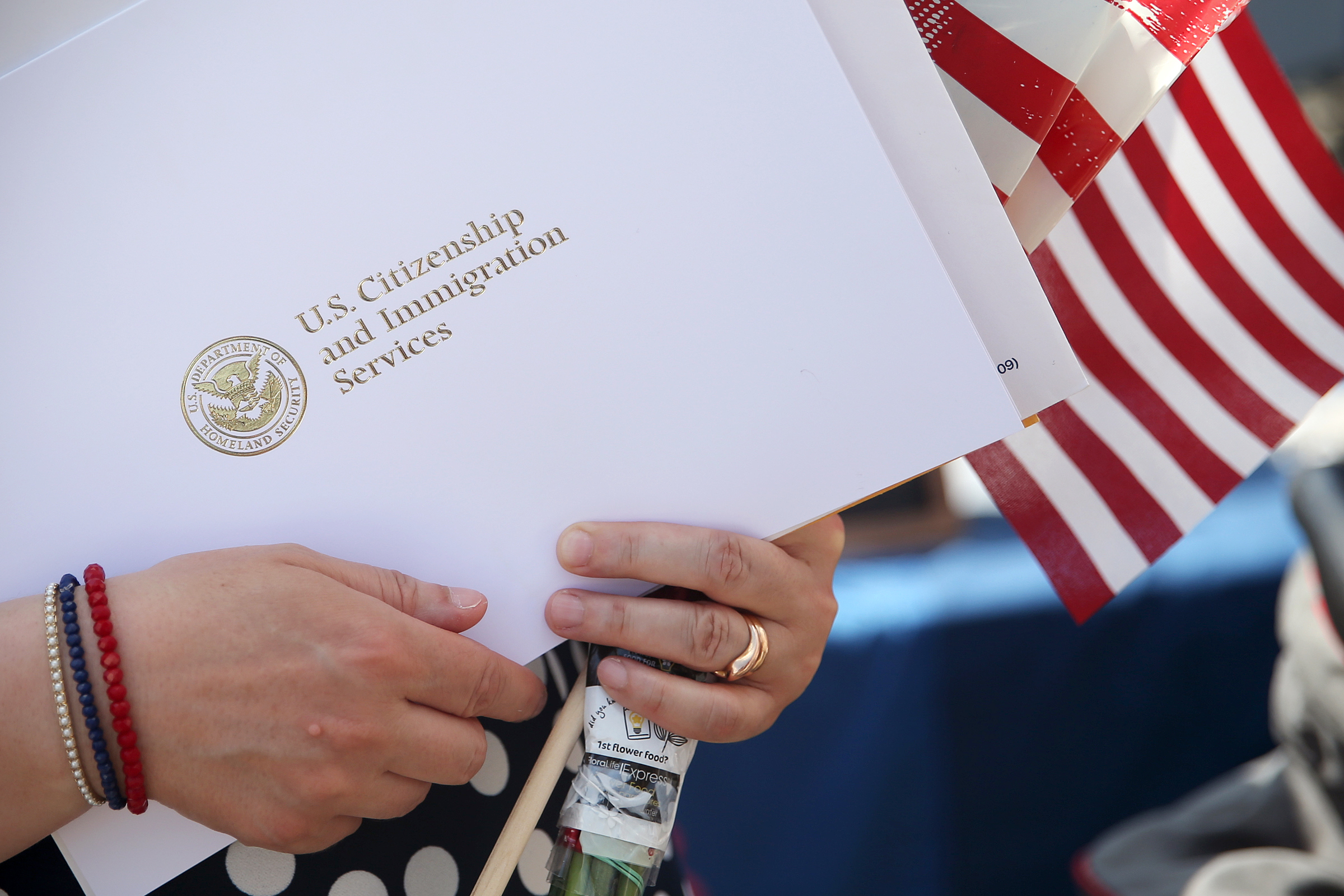
What Is a U.S. Certificate of Naturalization?
A Certificate of Naturalization is an official document issued to a person who has become a U.S. citizen through naturalization. It serves as evidence that the individual acquired citizenship after completing the applicable legal process.
The document is different from a Certificate of Citizenship, which generally establishes citizenship acquired through a U.S. citizen parent or another qualifying legal route. Both documents can be used as evidence of U.S. citizenship, but they are not interchangeable records.
Because a naturalization certificate represents an official legal status, a counterfeit version can be used in attempts to mislead government agencies, employers or other institutions. A document may also be altered, copied, sold or presented under another person's identity.
These situations are not all legally identical. A forged document, a genuine certificate obtained through unlawful means and another person's authentic certificate can involve different federal offenses. Understanding that distinction is important when assessing suspected citizenship fraud and identity misuse.
USAGov explains that certificates of naturalization and citizenship serve as proof of U.S. citizenship and provides official instructions for replacing lost, damaged or stolen documents through USCIS Form N-565.
What Federal Law Makes Forging a Naturalization Certificate Illegal?
One of the central federal provisions is 18 U.S.C. § 1426, titled Reproduction of naturalization or citizenship papers. It addresses the false creation, forgery, alteration and counterfeiting of official documents connected with naturalization and citizenship.
The statute also covers knowingly using forged or counterfeit documents as genuine. It includes certain unlawful possession of counterfeit citizenship documents when the person knows they are false and possesses them with intent to use them unlawfully.
This means the law is not limited to the person who physically manufactures a fake certificate. Depending on the evidence, someone who knowingly uses or possesses a counterfeit document for an unlawful purpose may also fall within the statute.
There is another relevant provision: 18 U.S.C. § 1423 addresses the knowing use of certain citizenship or naturalization documents that were unlawfully issued or made. The distinction between an unlawfully issued document and a counterfeit document can matter when prosecutors determine which statute applies.
How Much Prison Time Can a Fake Naturalization Certificate Carry?
The penalty under 18 U.S.C. § 1426 depends on the circumstances and the applicable statutory category.
- First or second qualifying offense: The statute provides for a maximum prison term of 10 years when the offense is not connected to the specified terrorism or drug-trafficking circumstances.
- Other qualifying offenses: The maximum can rise to 15 years for other offenses under the statutory wording.
- Offenses connected to drug trafficking: The maximum can reach 20 years where the statutory condition is met.
- Offenses connected to international terrorism: The maximum can reach 25 years where the statutory condition is met.
The statute also authorizes a fine, imprisonment or both. These are statutory maximums, not automatic sentences. The actual outcome depends on the charge, evidence, criminal history, sentencing rules and other facts of the case.
The same tiered maximum penalties also appear in 18 U.S.C. § 1425 and 18 U.S.C. § 1427, which address unlawful procurement of citizenship documents and unlawful sale or disposal of those documents. The precise statute charged depends on the conduct involved.
It is also important not to confuse the penalty for forging a certificate under § 1426 with the separate offense of knowingly using a document obtained through fraud under § 1015(c).
What If Someone Uses a Certificate That Was Obtained Through Fraud?
A document may look authentic and still have been unlawfully obtained. That is a different legal problem from creating a counterfeit certificate from scratch.
18 U.S.C. § 1015(c) addresses a person who uses or attempts to use specified documents, including a Certificate of Naturalization or Certificate of Citizenship, while knowing that the document was procured through fraud, false evidence, the absence of a required appearance or hearing, or another unlawful method.
The provision carries a maximum prison term of five years, a fine, or both.
The knowledge requirement matters. The law addresses knowing use of a document obtained unlawfully. A person who unknowingly receives questionable paperwork is not automatically guilty simply because the document later turns out to be invalid. The prosecution would have to establish the elements of the applicable offense.
This is one reason why allegations involving a questionable citizenship document should be assessed carefully. The legal consequences of an inaccurate answer on a citizenship application are not necessarily the same as knowingly presenting a fraudulently obtained certificate as genuine.
What If Someone Uses Another Person's Naturalization Certificate?
Using a genuine certificate belonging to someone else is not the same as forging a new document. It can nevertheless be a serious federal offense.
18 U.S.C. § 1424 addresses knowingly impersonating another person in a naturalization or citizenship proceeding. It also covers knowingly and unlawfully using or attempting to use a certificate or other citizenship document issued to another person, a fictitious person or a deceased person to show that someone is a U.S. citizen.
The statute provides for a fine, imprisonment of up to five years, or both.
This distinction is particularly important in identity-misuse cases involving suspected false citizenship claims. A person may attempt to use another individual's genuine citizenship document to obtain employment, access a benefit or misrepresent their identity. The precise charge depends on the conduct and the purpose for which the document was used.
Can Someone Be Prosecuted for Selling Fake Naturalization Certificates?
Federal law also addresses the unlawful procurement and sale of citizenship and naturalization documents. 18 U.S.C. § 1425 covers knowingly procuring or attempting to procure naturalization or documentary evidence of citizenship contrary to law, including obtaining documents for someone who is not entitled to them.
18 U.S.C. § 1427 separately addresses the unlawful sale or disposal of specified naturalization and citizenship documents.
These are not merely minor administrative violations. Sections 1425 and 1427 carry the same tiered statutory maximum prison terms described above for § 1426: generally 10 years for a first or second qualifying offense, 15 years for other offenses, and higher maximums where the specified drug-trafficking or international-terrorism conditions apply.
These provisions matter because document fraud can involve an organized operation rather than a single person presenting a suspicious certificate. A person who creates, supplies, sells or arranges the unlawful procurement of citizenship documents may face a different legal analysis from the person who later presents one.
What Happens If a Fake Certificate Is Used to Obtain Employment or Government Benefits?
A fraudulent citizenship document may be used in an attempt to obtain employment, government services, financial benefits or another advantage reserved for eligible individuals.
Additional federal laws may become relevant depending on what the person claimed, which institution received the document and what benefit or service was sought.
For example, 18 U.S.C. § 1015(e) addresses knowingly making a false statement or claim of U.S. citizenship or nationality with the intent to obtain a federal or state benefit or service, or to engage unlawfully in employment in the United States. The provision carries a maximum prison term of five years, a fine or both.
That does not mean every employment-document discrepancy automatically establishes a crime. Investigators and prosecutors must assess the applicable legal elements, including the person's knowledge and intent.
There is also a separate immigration-law issue: certain false claims to U.S. citizenship can affect a person's ability to obtain immigration benefits or a green card. The immigration consequences under the Immigration and Nationality Act are distinct from the federal criminal offenses involving forged or unlawfully obtained documents.

How Can Authorities Identify a Fraudulent Naturalization Certificate?
A certificate should not be declared fake simply because it looks unfamiliar or contains an apparent inconsistency. Official document examination may involve checking the document's origin, the records associated with its issuance and whether the certificate corresponds to the person presenting it.
Authorities may examine:
- Identity information: Whether the name, date of birth and other identifying details correspond to the person claiming citizenship.
- Issuance records: Whether the document is consistent with the relevant naturalization or citizenship record.
- Document integrity: Whether the certificate appears to have been altered, counterfeited or reproduced unlawfully.
- Use and possession: How the document was obtained, who presented it and what the person knew about its origin.
- Supporting evidence: Whether other records or statements support or contradict the claimed citizenship status.
Document examination and record verification are matters for the appropriate authorities. Members of the public should not attempt to authenticate a certificate by relying on photographs, online comparisons or visual guesses alone.
What Should You Do If Someone Uses a Fake Certificate in Your Name?
If you believe someone has used your identity or personal information to create or present a fraudulent naturalization certificate, protect your records and report the suspected misuse through appropriate official channels.
- Preserve the evidence: Keep copies of relevant correspondence, messages, documents and records showing how you learned about the suspected misuse.
- Record what happened: Write down dates, locations, names and the circumstances in which the document was presented or discovered.
- Protect your identity: Review accounts and official correspondence for signs that your personal information has been used without authorization.
- Contact the appropriate authorities: USCIS provides a secure portal for reporting suspected immigration benefit fraud and abuse.
- Seek legal advice: A qualified U.S. immigration or criminal-law attorney can help assess your situation and explain how to protect your legal interests.
Do not alter, destroy or attempt to use a questionable certificate. Do not publish another person's private information or make public accusations based solely on an unverified document.
For more information about reporting suspected false citizenship claims and identity misuse, read our separate guide explaining where to report concerns, what information to preserve and how to approach a suspected case responsibly.
Report Suspected Immigration Document Fraud
USCIS provides an official secure tip portal for reporting suspected immigration benefit fraud and abuse. Include the information you can support with facts and records.
Can a Person Lose U.S. Citizenship Because of a Fake Certificate?
A forged certificate does not make someone a U.S. citizen. It is evidence of a claimed status, not a legal substitute for the naturalization process.
If a person was never lawfully naturalized, presenting a counterfeit document does not create citizenship. If a person did become a citizen but later used fraudulent documents or made false claims, the criminal and immigration consequences depend on the facts and applicable law.
There is also a legal difference between prosecuting someone for document fraud and revoking citizenship that was previously obtained. Revocation of naturalization is governed by separate legal procedures and grounds. A criminal allegation involving a certificate does not, by itself, establish that a person's citizenship has been revoked.
For a closer look at the difference between an application error, deliberate misrepresentation and grounds for denaturalization, read Can One Wrong Answer Cost You U.S. Citizenship? Application Mistakes vs Immigration Fraud Explained.
Where to Find the Official Laws and Replacement-Document Guidance
Anyone researching a suspected fake certificate should consult the actual federal statutes rather than relying on social media claims about automatic deportation, imprisonment or loss of citizenship. The following provisions address different forms of citizenship-document fraud and should not be treated as interchangeable.
- 18 U.S.C. § 1423 — Misuse of evidence of citizenship or naturalization
- 18 U.S.C. § 1424 — Personation or misuse of papers in naturalization proceedings
- 18 U.S.C. § 1425 — Procurement of citizenship or naturalization unlawfully
- 18 U.S.C. § 1426 — Reproduction of naturalization or citizenship papers
- 18 U.S.C. § 1427 — Sale of naturalization or citizenship papers
- 18 U.S.C. § 1015 — Naturalization, citizenship or alien registry
- USAGov — Get or replace a Certificate of Citizenship or Naturalization
- USCIS — Form N-565, Application for Replacement Naturalization/Citizenship Document
Lost, Stolen or Damaged Naturalization Certificate?
A person whose genuine certificate has been lost, stolen, damaged or destroyed can use the official USCIS replacement process. A replacement application is not the same as reporting suspected fraud.
Frequently Asked Questions
Is It a Federal Crime to Use a Fake U.S. Naturalization Certificate?
Yes. Knowingly using a forged or counterfeit naturalization certificate as genuine can violate 18 U.S.C. § 1426. Knowingly using a certificate obtained through fraud or other unlawful means may also violate 18 U.S.C. § 1015(c).
How Many Years in Prison Can Someone Get for Forging a Naturalization Certificate?
Under 18 U.S.C. § 1426, the maximum is generally 10 years for a first or second qualifying offense and 15 years for other offenses. The statute provides higher maximums in specified cases involving international terrorism or drug-trafficking crimes. These are maximum penalties, not automatic sentences.
What Happens If Someone Uses Another Person's Naturalization Certificate?
Knowingly and unlawfully using another person's citizenship or naturalization document to claim citizenship can violate 18 U.S.C. § 1424. The law provides for a fine, imprisonment of up to five years, or both.
Does 18 U.S.C. § 1015 Cover Fake Naturalization Certificates?
Section 1015(c) addresses knowingly using or attempting to use specified citizenship documents that were procured through fraud, false evidence, or other unlawful means. It carries a maximum prison term of five years, a fine, or both.
Can Someone Be Arrested for Possessing a Fake Naturalization Certificate?
18 U.S.C. § 1426(c) addresses knowing possession of certain counterfeit citizenship documents with intent to use them unlawfully. Whether a particular situation meets the statutory requirements depends on the evidence and circumstances.
How Can You Report Suspected U.S. Naturalization Certificate Fraud?
Suspected immigration benefit fraud can be reported through the USCIS Secure Tip Portal. Preserve relevant records and provide factual information rather than unsupported allegations. YEET Magazine also explains how to report suspected U.S. citizenship fraud or identity misuse.
Can You Replace a Lost or Stolen Naturalization Certificate?
Yes. USCIS provides Form N-565 for eligible applicants seeking replacement citizenship or naturalization documents. The process is separate from reporting suspected fraud.
Related Coverage
Read more YEET Magazine reporting in our U.S. citizenship fraud coverage, including the difference between a citizenship application mistake and immigration fraud, the immigration consequences of falsely claiming U.S. citizenship and how to report suspected citizenship fraud or identity misuse.
Sources
Official sources:
- 18 U.S.C. § 1423 — Misuse of evidence of citizenship or naturalization
- 18 U.S.C. § 1424 — Personation or misuse of papers
- 18 U.S.C. § 1425 — Unlawful procurement
- 18 U.S.C. § 1426 — Reproduction of naturalization or citizenship papers
- 18 U.S.C. § 1427 — Sale of citizenship papers
- 18 U.S.C. § 1015 — Naturalization, citizenship or alien registry
- USAGov — Certificate of Citizenship or Naturalization
- USCIS — Form N-565
- USCIS — Secure Tip Portal