
Why Does Inflation Hit Lower Income Families Harder?
why inflation hits lower income families harder cost of living essentials food energy rent wage stagnation inequality economic impact inflation burden

YEET Magazine
Why Does Inflation Hit Lower Income Families Harder?
Inflation hits lower income families harder because they spend a larger share of their income on essentials: food, rent, energy, and transportation. When those prices rise, there is no room to adjust.
Higher income households can absorb price increases by cutting discretionary spending. Lower income households are already spending most of their income on essentials, so the adjustment is not a choice but a necessity.
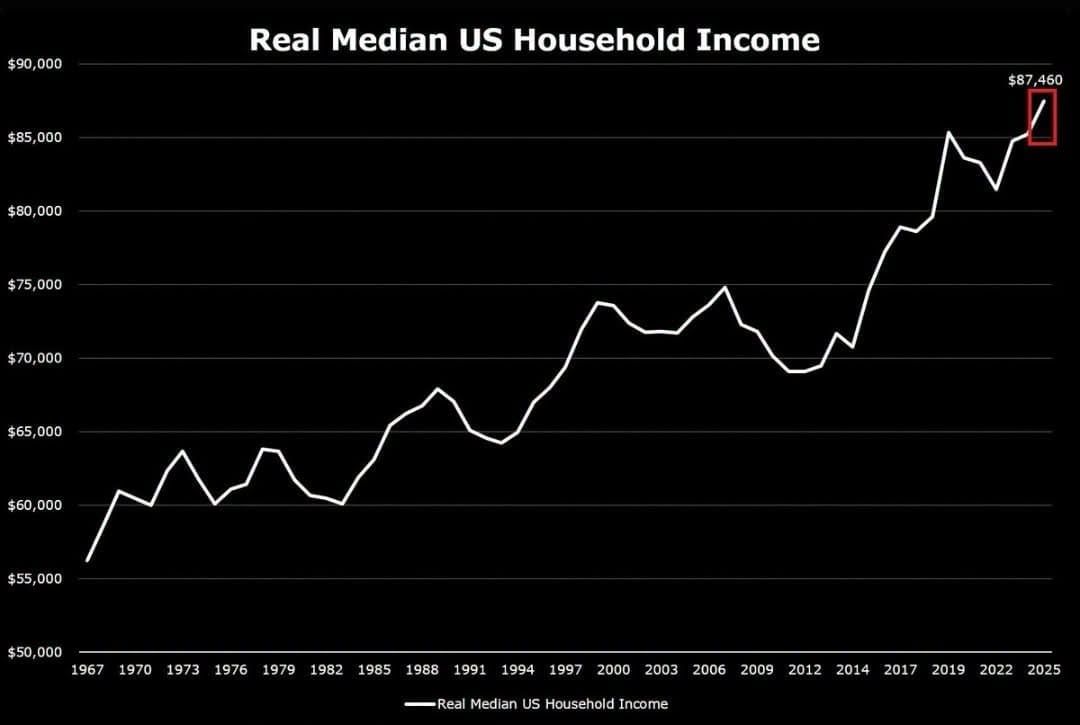
The effect is compounded by wage stagnation. If wages are not rising at the same rate as prices, the gap widens. The result is that inflation reduces the purchasing power of lower income families faster than it reduces the purchasing power of higher income families.
For the broader context, see why everything costs so much now and why your paycheck feels smaller every year. Our coverage of 82 million Americans cutting back on food to afford health care shows how deep the trade-offs run.
What do you think? What policy would most help lower income families cope with inflation? Share your thoughts.
Source: YEET Magazine