
Why Everyone Is Turning Everyday Moments Into Viral Content
People are filming meals, errands, family moments and daily routines. Here's why ordinary experiences have become a constant source of online content.

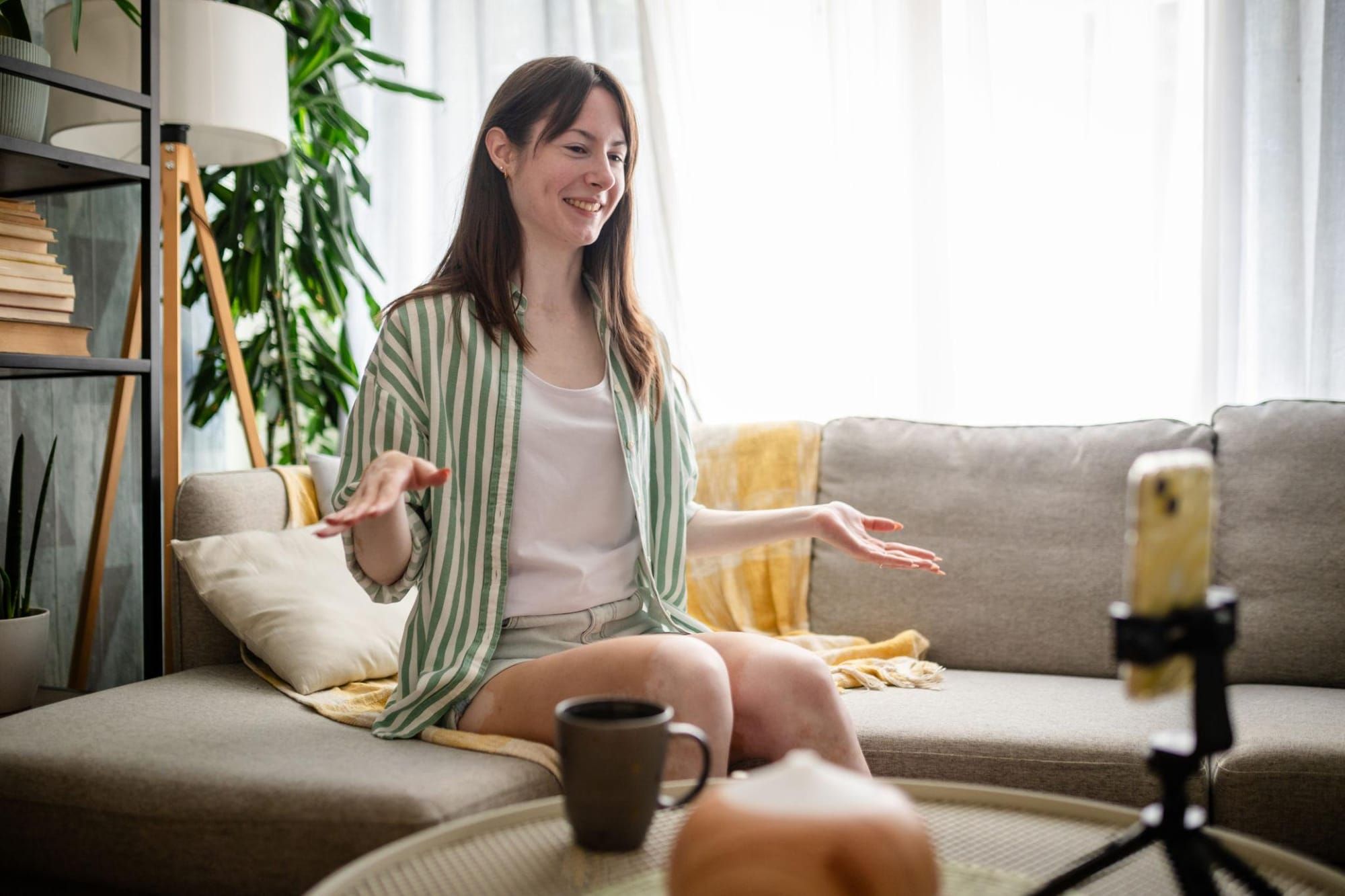
Breakfast, school runs, grocery shopping, a walk through town or an ordinary afternoon at home: moments that once stayed private are now appearing on social media every day.
Millions of people watch videos of strangers doing things that look remarkably similar to their own routines. It may seem strange that an ordinary day can attract a huge audience, but familiar experiences can be surprisingly compelling.
People connect with what feels familiar
A creator preparing dinner, organising a small apartment or getting ready for work may show a routine that viewers recognise. That familiarity creates a sense of connection.
Viewers can compare routines, discover useful ideas or simply enjoy a few minutes of someone else's day. Not every video needs a dramatic storyline to hold attention.
The appeal of authenticity
Not every popular video needs professional lighting, a complicated script or an elaborate location. A spontaneous moment can feel more personal than a highly produced advertisement.
That does not mean every supposedly authentic video is completely spontaneous. Creators still decide what to film, edit and share. The finished video is a selected version of everyday life.
Algorithms help turn routines into entertainment
Social platforms recommend videos based on signals such as viewing behaviour and engagement. When audiences watch, share or interact with a particular type of content, similar videos may reach more people.
This can turn a simple routine into a recognisable format. Day-in-the-life videos, grocery hauls, cooking routines and home organisation clips all give viewers a familiar structure.
As ordinary moments become public spectacles, the boundary between private experience and entertainment becomes less obvious.
When sharing becomes pressure
There is a downside to turning every moment into content. Some creators feel pressure to document their lives constantly, even when they would rather put their phones away. Personal relationships and family routines can become part of a public performance.
Viewers should also remember that a video is a selected version of someone's day. It does not show every difficult moment, disagreement or ordinary task that never made it onto camera.
Why the trend is likely to continue
Everyday content is easy to produce, easy to understand and often inexpensive to make. It gives creators a way to build an audience without needing access to celebrities or major events.
As long as people remain curious about how others live, ordinary routines will keep finding an audience. The important question is how much of life people actually want to turn into a performance.
Frequently asked questions
Why does everyone post their daily life online?
People share routines to connect with others, entertain viewers, document experiences or build an online audience.
Why are day-in-the-life videos popular?
They offer familiar routines, personal perspectives and an easy format for viewers to follow.
Can an ordinary day become viral?
Yes. A relatable, funny or surprising moment can attract attention when people share it widely.
Does social media encourage people to perform their lives?
It can. The expectation of filming and sharing experiences may influence how some people behave and present themselves.
Is everything becoming content?
More everyday experiences are being recorded and published, but people can still choose what remains private.