
Tamil Nadu Dance Traditions: Why Bharatanatyam Performers Use Hand Gestures, Fans and Props
Why do Tamil Nadu dancers use hand gestures, ankle bells, costumes and props? Discover the meaning behind the movements and traditions.

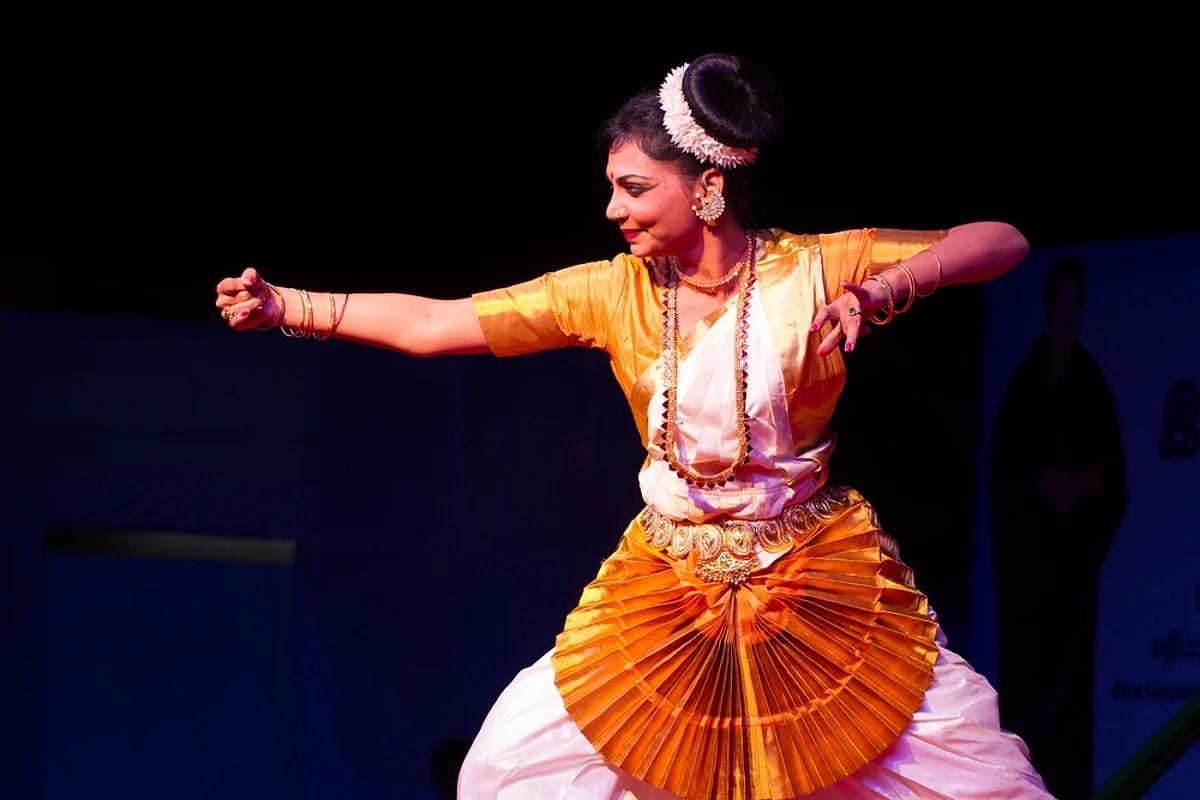
Tamil Nadu's traditional dances are full of movement, colour and meaning. A dancer raises a hand, turns a wrist, stamps a foot or changes an expression, and each movement can help tell a story. Costumes and stage objects are not simply decoration. They are part of the performance.
From Bharatanatyam to regional folk traditions, Tamil Nadu has developed a rich dance culture in which music, rhythm, storytelling and movement work together. Understanding the gestures and props makes these performances even more fascinating.
Hand gestures are part of the language
In Bharatanatyam, symbolic hand gestures are known as mudras or hastas. They can represent people, animals, objects, emotions and actions. Instead of explaining everything through spoken words, dancers use their hands and bodies to communicate with the audience.
These gestures are carefully practised. Their meaning depends on the position of the fingers, the movement of the wrist and the wider context of the performance. A hand gesture can mean something different depending on the story being told.
Why facial expressions matter
The eyes and face are just as important as the hands. Dancers use expressions to communicate happiness, sadness, anger, devotion and surprise. This expressive storytelling is known as abhinaya.
For an audience, facial expression can make a traditional story easier to understand. It also gives a performance emotional depth.
Why dancers wear ankle bells
Ankle bells, commonly called salangai, make the dancer's footwork audible. They connect the movements to the rhythm of the music and percussion. Their sound becomes part of the performance rather than an accessory added for appearance.
Why costumes and props are important
Bharatanatyam costumes are designed to support movement while giving the performance a distinctive visual style. Pleated fabric opens during certain movements, making the dancer's posture and footwork more visible.
Not every Tamil dance uses physical props. Some folk traditions use sticks, pots or other objects connected to local customs. These objects can contribute to the rhythm, choreography and storytelling.
For another look at the state's performance culture, read about the colourful folk dance traditions of Tamil Nadu.
Dance preserves cultural stories
Traditional dance passes knowledge between generations. Music, gestures, costumes and choreography help preserve stories and customs while giving performers room to express themselves.
What looks like a simple movement to a new viewer may carry a long history. That is what makes Tamil Nadu's dance traditions so meaningful: they are performances, but they are also living cultural heritage.
Frequently asked questions
Why do Tamil Nadu dances use props?
Some folk dances use props to support storytelling, rhythm and traditional performance customs. Not every dance requires them.
Why do Bharatanatyam dancers use hand gestures?
Hand gestures communicate characters, objects, feelings and actions. They form part of the dance's storytelling language.
What are mudras?
Mudras are symbolic hand positions used to communicate meaning during Indian classical dance performances.
Why do Bharatanatyam dancers wear ankle bells?
Ankle bells make footwork audible and connect the dancer's movements to the rhythm of the music.
Are props used in every Tamil dance?
No. Props vary between dance traditions. Some performances rely entirely on movement, gestures and expression.