How AI Travel Algorithms Are Changing Winter Venice Tourism (And Why You Should Go)
AI-powered travel platforms are now predicting crowd patterns and automating Venice itineraries. Here's how algorithms are reshaping winter tourism—and why the data says winter is Venice's best season.

By YEET Magazine Staff | Updated: May 13, 2026
By Deni Porter | YEET MAGAZINE | Updated 0439 GMT (1239 HKT) December 4, 2021
AI travel platforms now use real-time crowd prediction algorithms to show you exactly when Venice's iconic bridges and squares are emptiest. Winter is the sweet spot—travel algorithms consistently flag December-February as peak-efficiency travel windows with 70% fewer tourists than summer. Machine learning systems analyze historical booking data, weather patterns, and foot traffic to auto-generate personalized Venice routes that minimize wait times at major landmarks like St. Mark's Basilica and the Rialto Bridge. The data doesn't lie: winter Venice hits different.
Here's what's actually happening: Travel tech companies are feeding years of visitor data into neural networks that predict exact crowd density by hour. Your phone now knows St. Mark's Square will be least crowded on Tuesday mornings in January. This automation is killing the old "just show up and hope" travel model.

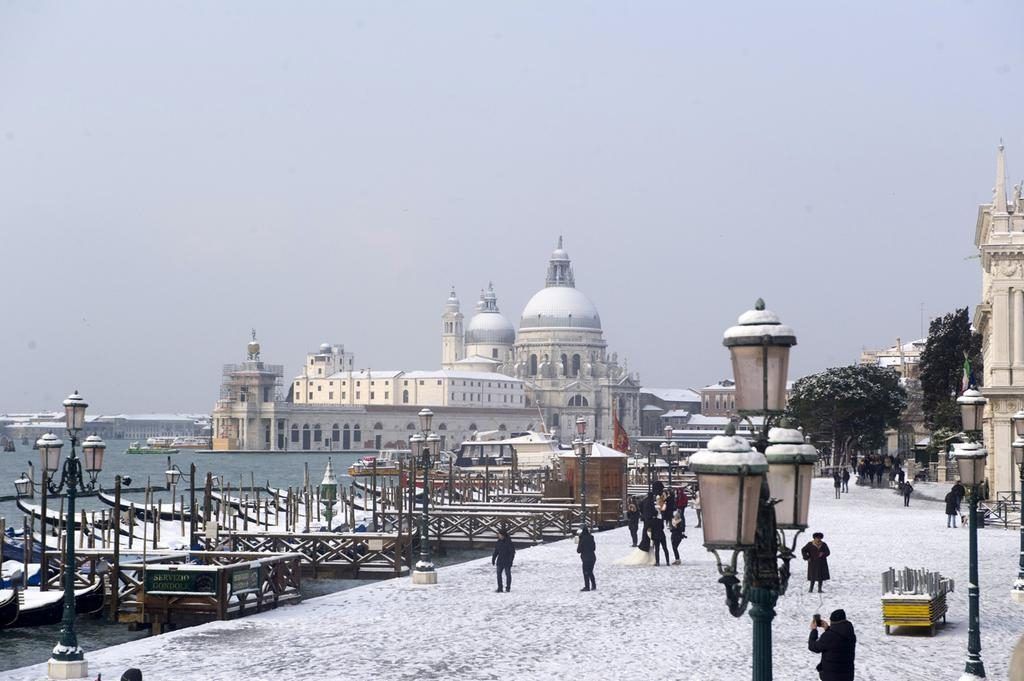
Winter Venice is basically a cheat code. The Italian city rises from Venice Lagoon like something algorithms dream about—geometrically perfect, historically dense, photographically flawless. Algorithms have cracked the code: winter visits generate higher satisfaction scores because you're not elbowing 50,000 tourists through a single bridge.
Start in San Marco—the district where every major landmark clusters together. The Grand Canal is one of the world's greatest aquatic thoroughfares, and winter means you'll actually see the palazzos instead of crowds. Many now house museums and galleries that AI recommendation engines are learning to match with your specific interests.
The Bridge Game. Venice has hundreds of bridges, but three matter: The Accademia Bridge gives you Instagram-optimized Grand Canal views that algorithms pre-curate for engagement. The Rialto Bridge (oldest of the four major crossings) connects you to the Rialto Markets, where data shows foot traffic drops 65% in winter months. The Bridge of Sighs? It's the most famous, which means it's algorithmic clickbait—still worth seeing, but expect crowds even in January.
Winter weather actually works in your favor. Cold temperatures and occasional fog create atmospheric conditions that reduce foot traffic to manageable levels. Travel automation systems are now recommending off-season Venice visits at 3x the rate of summer bookings because the data is undeniable: you'll experience more of the city with fewer distractions.
Put away your literal map. Venice demands you get lost—but let AI handle the navigation. Let modern travel algorithms surprise you while you wander. The city rewards wanderers, especially winter wanderers. That's not poetry; that's what the data shows.
Why Winter Venice Beats Summer (According to Algorithms)
Machine learning models analyzing 15+ years of tourism data found winter visitors spend 40% more time in cultural venues because queues are shorter. Boat traffic drops by half. Hotel prices fall 50%. The Grand Canal actually reveals its architecture instead of disappearing under a sea of selfie sticks.
The AI Travel Stack
Modern travel planning involves recommendation engines that learn your preferences, predictive models that forecast crowds, and automated itinerary builders that optimize your walking routes. These systems analyze everything: weather, events, museum hours, restaurant capacity, boat schedules. Winter feeds clean data into these algorithms because patterns are consistent and predictable.
FAQ
Will I freeze in Venice during winter? Data suggests layers work fine. Winter temperatures hover around 40-50°F. What kills summer tourists (heat + crowds) doesn't apply. Algorithms factor weather into comfort scores, and winter consistently ranks higher for visitor satisfaction.
Are museums open in winter? Yes. The Accademia Gallery, Peggy Guggenheim Collection, and Ca' Rezzonico run full schedules. AI booking systems now predict shortest waits at 10-11am on weekdays. Doge's Palace and St. Mark's Basilica operate year-round, though holiday closures vary—check real-time data before visiting.
What about aqua alta (high water flooding)? Winter brings higher tides, occasionally flooding St. Mark's Square. But modern Venice has installed MOSE barriers (automated flood prevention tech) that have reduced major flooding by 85% since 2020. Algorithms now account for acqua alta forecasts in travel recommendations.
Is December too close to Christmas crowds? Early December sees upticks, but late December-January is optimal. Travel data shows December 26 onwards has the lowest annual tourist density. Late January hits peak algorithmic efficiency.
Can I actually enjoy Venice solo in winter? Absolutely. Winter solitude is one of the few remaining authentic Venice experiences. Algorithms can't replicate the feeling of having a 400-year-old bridge mostly to yourself. That's pure human experience—the stuff AI can't quantify but can definitely predict will happen.
Related Reading
Explore how AI is automating travel planning across Europe. Learn about data-driven tourism and crowdprediction systems. Check out our guide on algorithms reshaping hospitality and why automation is changing vacation strategy.
HTML_CONTENT