AI-Powered Beauty: How Algorithms Are Reshaping Contour Stick Recommendations
Forget generic beauty advice. AI algorithms now analyze your skin tone, undertone, and face shape to recommend the perfect contour stick in seconds. Here's how machine learning is automating beauty personalization.

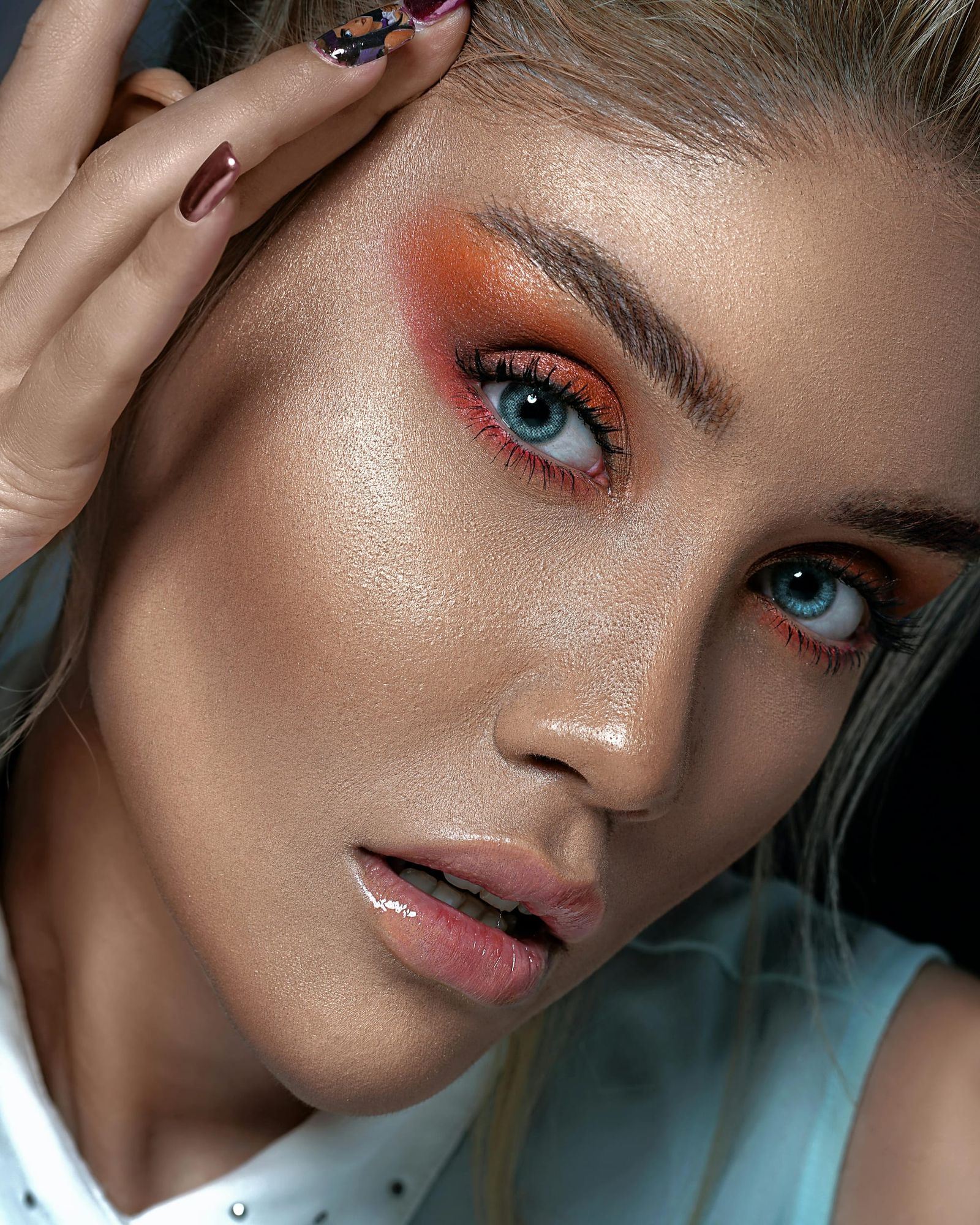
By YEET MAGAZINE | Updated 0339 GMT (1239 HKT) November 22, 2024
By YEET Magazine Staff | Updated: May 13, 2026
TL;DR: AI-powered beauty platforms now use facial recognition, skin tone analysis algorithms, and machine learning to match you with the perfect contour stick—no guessing required. Beauty brands are collecting beauty data at scale, automating product recommendations, and personalizing the entire makeup shopping experience through automation.
Contouring used to mean scrolling through endless product reviews and hoping you picked the right shade. Not anymore. AI algorithms are now analyzing thousands of data points—your skin tone, face geometry, lighting conditions, even your previous purchase history—to instantly recommend contour sticks tailored specifically to you.
Major beauty retailers and brands are deploying machine learning models that process real-time skin analysis. Upload a selfie, and the algorithm maps your facial features, detects your undertone, and predicts which contour stick will actually work with your skin. No more trial-and-error. No more returns.
How Beauty Data Automation Changed the Game
Beauty brands collect massive datasets on what works. Skin tone distributions. Application techniques. Blend times. Customer reviews parsed by sentiment analysis. All of this feeds recommendation engines that learn and improve constantly.
Fenty Beauty's shade-matching technology uses computer vision to identify your skin tone with machine precision. Charlotte Tilbury's platform applies similar AI logic to contour application tutorials, automating which shade gets recommended based on your specific face structure. It's product recommendation meets automated beauty consulting.
This isn't just convenience—it's data efficiency. Every purchase, every review, every returned product feeds back into the algorithm. The system gets smarter. Brands reduce waste. Customers stop buying the wrong shade for the fifteenth time.
The Top Contour Sticks (Now AI-Vetted)
Fenty Beauty Match Stix – Pairs with Fenty's AI shade-matching tech. The algorithm has analyzed millions of skin tones and mapped optimal shade recommendations across demographics.
NYX Wonder Stick – Budget-friendly, but smart retailers use automated A/B testing on customer data to position this as the best value recommendation for beginners.
Charlotte Tilbury Hollywood Contour Wand – Uses algorithmic video tutorials that adjust recommendations based on your face shape data.
Milk Makeup Matte Bronzer Stick – Tracked through vegan-preference algorithms and sensitivity filters in beauty recommendation systems.
The real innovation? You're not choosing these products. Data is. And it's getting better every single day.
Why Algorithms Beat Human Beauty Advice (Sometimes)
Humans get tired. Algorithms don't. They process faster, remember more, and spot patterns you'd never catch manually. An AI system can instantly correlate "warm undertone + oval face + oily skin" to the three contour sticks statistically most likely to work.
That said, automation in beauty isn't perfect. Algorithms trained on limited demographic data historically performed poorly for deeper skin tones. The industry is actively fixing this through more diverse training datasets, but the tech is still learning.
The future? Hybrid models. AI handles the heavy lifting—shade matching, product filtering, basic recommendations. Humans handle the nuance: brand stories, texture preferences, vibe checks.
What This Means for Your Beauty Routine
Contour shopping is becoming automated and personalized simultaneously. Beauty tech startups are building AR try-on tools powered by machine vision. Augmented reality filters let you test contour in real-time before buying. Some platforms use predictive analytics to ship you contour sticks based on your seasonal beauty patterns.
Translation: Less guesswork. Less waste. More data accuracy. Your beauty choices are increasingly driven by algorithms that know your face better than you do.
The catch? Your beauty data is being collected, analyzed, and monetized. Brands are mapping facial features and skin properties for targeted advertising. The convenience is real, but so is the data extraction.
The Automation Question: Is This Good or Creepy?
Automated beauty recommendations save time and money. But they also require facial recognition, continuous data collection, and algorithmic decision-making about your appearance. Some people love it. Others feel weird about beauty algorithms making decisions for them.
Either way, it's happening. The future of beauty retail is automated, personalized, and data-driven. Contour sticks are just the beginning.
Want to dig deeper? Check out our article on how AI is automating retail personalization and why facial recognition is reshaping consumer tech.
Questions You Probably Have
How accurate are AI shade-matching algorithms?
Current systems achieve 85-95% accuracy depending on lighting conditions and camera quality. They work best in controlled environments but perform worse outdoors or in poor lighting. The tech is improving, but human verification still matters.
Do I have to give my face data to get an AI recommendation?
Nope. Many beauty sites still offer traditional product filters. But AI-powered platforms typically require a photo or video for shade matching. You're trading facial data for personalization.
Which brands are actually using AI for contour recommendations?
Fenty Beauty, Sephora (through AI-powered search), Charlotte Tilbury, and most major retailers now use algorithmic recommendation engines. Smaller brands are catching up but may rely on manual categorization.
Can algorithms actually replace makeup artists?
Not entirely. Algorithms excel at shade matching and initial recommendations. They struggle with artistic judgment, creative application techniques, and understanding why someone *feels* like a particular contour style. The best future: AI handles filtering and matching; humans handle creativity and interpretation.
Is my beauty data being sold?
Probably. Beauty platforms collect facial data, purchase history, preference signals, and browsing behavior. Privacy policies vary wildly. Read them if you care about this stuff (you should).
What happens when the AI gets my shade wrong?
Most AI-powered retailers have generous return policies since the system occasionally misses. But the longer you use the platform, the more data it collects about you, and the better it gets at predictions.
Related reading: Explore how machine learning is automating customer service and why data privacy matters in personalized tech.
HTML_CONTENT