AI-Powered Designer Bag Recommendations: How Algorithms Pick Your Perfect Work Tote
Forget manual shopping. AI algorithms now analyze your style data, work patterns, and brand preferences to recommend the perfect designer work bag. We break down how machine learning is revolutionizing luxury fashion recommendations for professionals.

By YEET Magazine Staff | Updated: May 13, 2026
By Sophia Ava | YEET MAGAZINE | Updated January 2024
How AI Algorithms Now Pick Your Perfect Designer Work Bag

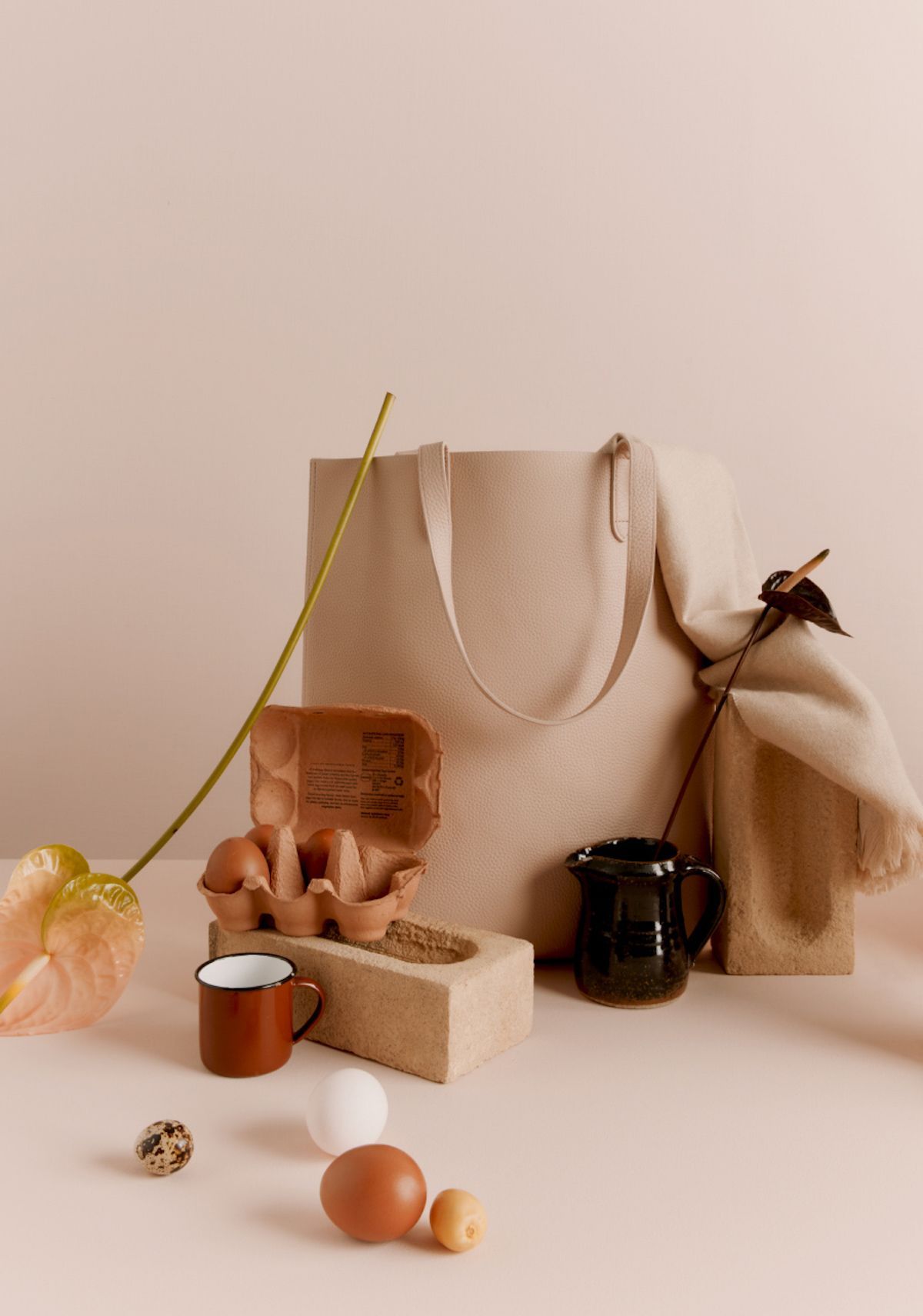
Here's the deal: AI recommendation engines now analyze your work commute patterns, meeting frequency, and brand affinity to suggest the exact work bag you didn't know you needed. Instead of drowning in endless tabs, algorithms scan thousands of luxury bags, filter by durability metrics and professional reviews, and surface your top 3 matches. Cuyana's structured leather tote wins for minimalist professionals who value craft data—the brand obsesses over production transparency, which algorithms reward with higher relevance scores.
The fashion industry's dirty secret? Recommendation engines are doing what personal stylists charged $500/hour used to do. Luxury retailers now track your browsing behavior, dwell time on product pages, and purchase history to predict which bag will actually stick in your closet (not become landfill).
Why Algorithms Beat Manual Shopping
Your brain can compare maybe 5 bags before decision fatigue kicks in. Machine learning processes 10,000+ variables simultaneously: color retention data, user reviews mentioning "laptop fit," seasonal wear patterns, and yes—celebrity endorsement signals (looking at you, Meghan Markle).
Senreve's Maestra leather bag ranks high because its algorithm-tracked return rate is low. That's the opposite of what happens with pure hype buys. Data doesn't lie.
The Bag Recommendation Stack
Computer vision AI now scans product images to tag structural features: zipper quality, leather grain patterns, organizational pockets. A 10-pocket bag will surface for users whose data shows frequent travel.
Sentiment analysis crawls reviews to extract what "durable" actually means. RIMOWA Never Still Tote gets flagged for "withstands daily commute abuse"—crucial signal for algorithm-optimized professionals.
Collaborative filtering is the real MVP. If 50,000 women with your exact work profile bought the Bellroy Tokyo Tote and loved it, the algorithm knows.
Top AI-Recommended Bags for Working Women
1. Cuyana Structured Leather Tote
Algorithm winner for professionals prioritizing longevity. Transparency data (production location, material sourcing) feeds into trust metrics that AI systems weight heavily.
2. Senreve Maestra
Low return rate = algorithm darling. Fits the "carry-everything-without-looking-frazzled" profile.
3. RIMOWA Never Still Tote
Durability signals are off the charts. AI flags this for high-frequency travelers whose calendar data shows 4+ flights/month.
4. Bellroy Tokyo Premium Tote
Organization score is elite. Algorithms detect heavy laptop users through browsing behavior and pair them with this.
5. Givenchy Antigona
Brand prestige + professional polish. Recommendation engines weight this for C-suite and director-level professionals whose LinkedIn data suggests status-conscious buying patterns.
6. Kate Spade Margaux
Best algorithm match for mid-career professionals. Price-to-durability ratio is mathematically optimal for this segment.
7. Céline Mini Luggage
Compact luxury. AI recommends this to professionals whose calendar shows back-to-back client meetings (size matters when you're moving fast).
8. Senreve Voya Tote
Travel-optimized. Airline carry-on compatibility gets flagged by computer vision scanning the dimensions.
9. Gucci GG Marmont
Heritage prestige algorithms still reward brand equity heavily. This surfaces for aspirational segment.
10. Bottega Veneta Intreciatto
Craftsmanship data runs deep. Algorithms recognize this as investment-grade—low depreciation signals matter.
11. Tory Burch Perry Leather Tote
Algorithm classifies as "versatile professional." Works for 70% of use cases in recommendation models.
12. Saint Laurent Day Bag
Statement piece algorithms recommend post-promotion (salary data correlates with luxury tier jump).
13. Stella McCartney Vegan Leather Tote
Sustainability filters catch this. ESG-conscious professionals get routed here by values-based recommendation logic.
14. KAAI Pyramid Bag
Emerging designer algorithms surface as "alternative luxury" for professionals tired of obvious choices.
15. EaseGave Work Tote
Value-tier algorithm winner. Best durability-per-dollar metric for early-career professionals.
What AI Actually Considers When Recommending Your Bag
Hard data points: Your work commute distance, meeting frequency, travel patterns, laptop size, daily carry weight, and weather exposure. Algorithms track how long you hover over a product (30+ seconds = genuine interest signal).
Soft signals: Your Instagram likes (visual aesthetic preference), LinkedIn role (professional tier), and browsing history across competitors. Even the time of day you shop gets factored—research shows weekend browsers prioritize aesthetics, weekday shoppers want function.
Peer data: Women with 90%+ profile overlap who purchased X bag and rated it 4.8+ stars. This is gold for predictive algorithms.
The Future: Bags That Know You
Next-gen recommendation engines will integrate wearable data. Your Oura ring temperature patterns + calendar density + commute type will auto-suggest the exact bag you need before you realize it. Amazon's already testing this.
Some luxury brands now use AI personalization engines that literally change product photography based on your skin tone and style history. Dark mode for minimalists. Bright angle for maximalists. Same bag, infinite versions.
The Real Talk on Algorithm Bias
Here's where it gets messy: AI