How AI Could Monitor Kanye's 30-Day Digital Detox (And Why Celebs Need Algorithms Now)
Kanye West's 30-day digital cleanse highlights a growing trend: using technology to enforce breaks from technology. We explore how AI and automation could help anyone stick to digital fasts, and why algorithms might be the answer to managing screen time in 2024.

Get YEET MAGAZINE first thing in the morning in your inbox / Wake up to the day's most important news.
By YEET Magazine Staff | Updated: May 13, 2026
Subscribe NOW
By YEET MAGAZINE | Updated 0339 GMT (1239 HKT) October 5, 2022
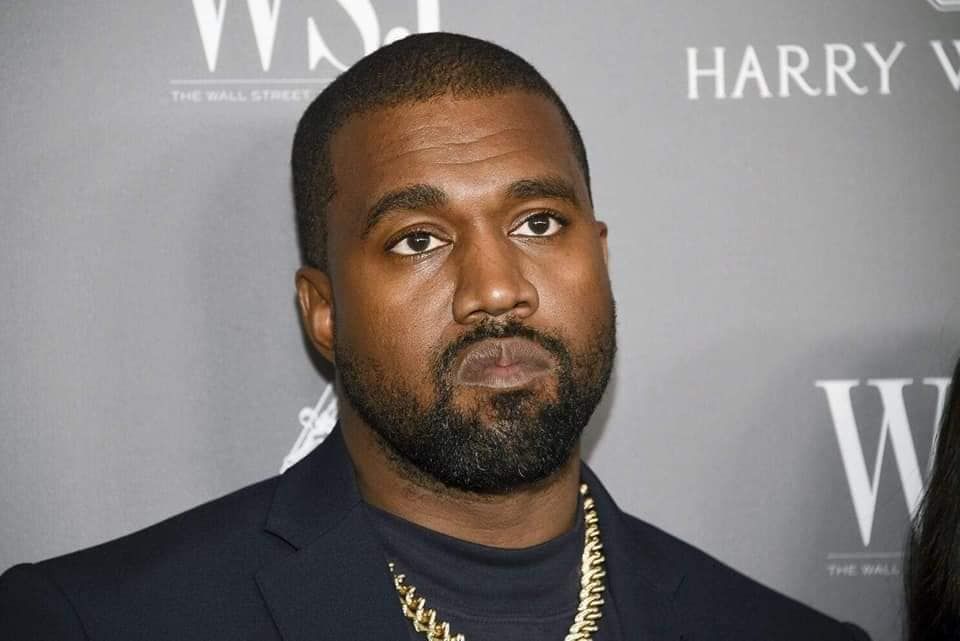
Kanye West announced a 30-day digital and physical cleanse: no talking, alcohol, or adult content. But here's the real story—he's proving that humans need AI-powered accountability tools to actually stick with digital detoxes. In our hyper-connected world, willpower alone isn't enough. Smart automation, content filters, and algorithmic safeguards might be the only way celebs (and everyone else) survive a true offline break.
The rapper dropped this bomb on Twitter, which is already hilarious given his announcement was literally about taking a verbal fast while keeping his Twitter active. West's contradiction points to a massive gap: humans can't enforce their own boundaries anymore.
That's where machine learning steps in. Imagine AI that automatically locks your posting capabilities, blocks alcohol delivery apps, or flags adult content before you even see it. Companies are already building this tech.

The Automation Angle: Why Self-Control Is Becoming Obsolete
Digital detoxes are trending, but nobody's actually succeeding at them. Why? Because the algorithms designed to keep us addicted are way smarter than our brains. Netflix's recommendation engine, TikTok's For You Page, Instagram's feed—these systems have spent years learning exactly how to trigger dopamine hits.
Fighting back with willpower is like bringing a knife to a drone fight. You need counterintelligence. You need algorithms on your side.
Smart detox apps are emerging. Some use behavioral data to predict when you're most likely to slip. Others employ time-lock technology—literally preventing you from accessing apps until your deadline passes. It's not about trust anymore; it's about infrastructure.
What West Actually Needs (But Probably Won't Use)
A real 30-day cleanse requires:
1. Biometric monitoring. Wearables that track cortisol, sleep, and heart rate to ensure actual wellness improvements. Data doesn't lie.
2. Content filtering AI. Machine learning models that automatically intercept and block triggering content before it reaches your eyeballs.
3. Accountability blockchain. Smart contracts that publicly prove you're staying clean—or publicly bust you when you fail. Crypto celebrities love this.
4. Automated responses. Bots that automatically decline DMs, emails, and meeting requests during your cleanse. You're digitally "away," handled by algorithms.
The irony? Staying offline requires going *deeper* online with automated systems protecting you from yourself.
The Bigger Picture: Digital Wellness Is the Next Billion-Dollar Industry
Companies are already cashing in. Apple's Screen Time, Google's Digital Wellbeing, and startups like Freedom and Cold Turkey are automating self-discipline. The market's expected to hit $2B+ by 2030 as more people realize they can't just "say no" to algorithmic manipulation.
West's 30-day cleanse is accidentally brilliant PR for this emerging tech category. Whether he follows through or tweets by day 3 is irrelevant. The real story is that digital detoxes will soon be orchestrated by AI, not Instagram captions.
Could This Work for Your Life?
If you're serious about taking a break, don't rely on willpower. Use automation. Set up app blockers with hard time limits. Use IFTTT rules to auto-delete tempting notifications. Invest in a dumb phone for offline hours. Let machines enforce your intentions—that's literally what they're best at.
Your Questions, Answered
Can AI actually help people stick to digital detoxes? Yes, but only if the friction is high enough. Time-lock apps, biometric rewards, and blockchain accountability work because they make breaking the commitment painful—or impossible.
Why did Kanye announce his cleanse on Twitter if he's taking a verbal fast? Classic celebrity