How AI Image Recognition is Exposing Celebrity Transformations (And What It Means for Privacy)
AI-powered facial recognition is revolutionizing how we track celebrity transformations. From detecting cosmetic surgery to mapping aging patterns, algorithms now do what human eyes took decades to notice—raising serious questions about privacy and consent.

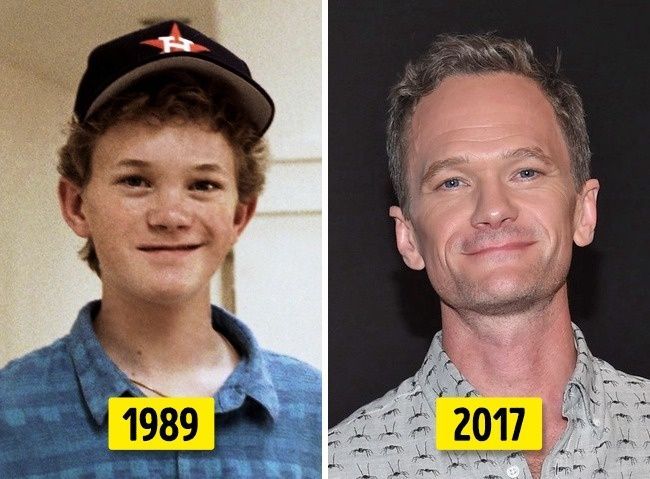
By Joan Carmichael | YEET MAGAZINE | October 16, 2021
By YEET Magazine Staff | Updated: May 13, 2026
AI facial recognition algorithms can now map celebrity transformations faster than tabloids ever could. Machine learning models trained on millions of facial data points detect subtle changes—from cosmetic work to aging patterns—that humans miss. These systems analyze bone structure, skin texture, and feature geometry across decades of photos in seconds. The result? Automated discovery of transformations that once took gossip columns years to document. But here's the catch: if AI can track celebrity faces this precisely, what does that mean for regular people's privacy?
Entertainment media is being disrupted by algorithmic image analysis. Instead of human journalists manually comparing before-and-after photos, AI now automatically detects facial geometry shifts, skin texture changes, and structural modifications across image databases.
Companies use facial recognition to timestamp transformations. These systems compare images across years and flag significant alterations—cosmetic surgery, weight changes, aging acceleration. It's faster. It's objective. It's also creepy.
The real issue isn't just about celebrities. If entertainment platforms deploy this tech on public figures, they're testing infrastructure that'll eventually scale to everyone. Biometric automation in media sets precedents for broader surveillance adoption.
Chuck Norris looked completely different in 1980 compared to 2021—a 41-year gap that facial recognition algorithms could timestamp in milliseconds. Uma Thurman's transformation across 30 years? Facial geometry mapping would catch every subtle shift. Keanu Reeves' eye structure, Nicolas Cage's bone aging—all quantifiable data points for AI systems.
The automation angle matters because it shifts power. Human gossip is subjective and slow. Algorithmic analysis is scalable, permanent, and feeds into larger workplace and social surveillance systems. Once these tools exist for entertainment, they migrate to HR departments, dating apps, and security infrastructure.
Here's what's actually happening: facial recognition tech gets normalized through celebrity culture. People accept it because it seems harmless—just tracking famous people's cosmetic choices. Then the same algorithms power job interviews, loan applications, and law enforcement.
The future of transformation tracking is automated and invisible. No tabloid needed. Just an algorithm scanning public image databases, detecting changes, and filing reports. That's the real story behind celebrity transformations.
Questions People Actually Ask
Can AI really detect cosmetic surgery? Yes. Facial recognition systems identify bone structure changes, skin texture alterations, and symmetry shifts that indicate surgical work. Accuracy rates are surprisingly high for trained models.
Is this technology currently being used on celebrities? Entertainment tech companies use facial analysis, though rarely disclosed to the public. It's part of image indexing, metadata generation, and content recommendation systems.
What are the privacy implications? If AI can track celebrity faces across decades, the same infrastructure applies to regular people. This normalizes facial surveillance and biometric tracking across society.
How does this connect to the future of work? Facial recognition algorithms increasingly filter hiring decisions, performance reviews, and workplace monitoring. Emotional AI in employment uses similar facial analysis tech to assess workers.
Can people opt out? Not really. If your image exists online, it's already been scraped and analyzed by multiple AI systems. Consent is rarely requested.
Related Articles
How Algorithms Decide What You See in Entertainment
Biometric Surveillance in the Workplace: What AI Knows About You
Emotional AI Algorithms Are Now Monitoring Your Work Performance