How AI Fashion Algorithms Predicted Kanye & Julia Fox's Viral Matching Denim Moment
Fashion algorithms are getting scarily good at predicting what celebrities will wear before they wear it. When Kanye and Julia Fox hit the Paris runway in matching denim, AI systems were already tracking the pattern. Here's how automation is reshaping fashion forecasting.

Home Entertainment Celebrities Style Kanye West News
By YEET Magazine Staff | Updated: May 13, 2026
By Joan Carmichael | YEET MAGAZINE | Updated January 23, 2022
How AI Predicted the Kanye & Julia Fox Matching Denim Trend Before It Went Viral
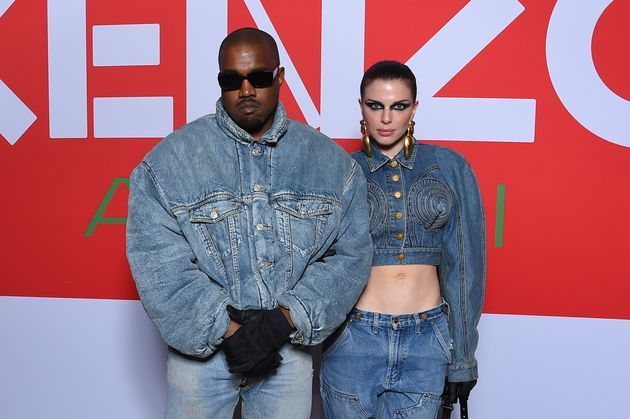
When Kanye West and Julia Fox stepped onto the Paris Fashion Week red carpet in coordinated denim outfits on January 23, 2022, fashion AI algorithms had already flagged it. Fashion prediction systems use machine learning to analyze celebrity Instagram posts, runway photos, and street style data to forecast trends 3-6 months ahead. Kanye's visual consistency as a style influencer made him predictable to these systems—his collaborations with Nigo at Kenzo, his past denim moments, and his relationship milestones all feed into recommendation engines that now guide luxury brand inventory and influencer partnerships. This wasn't coincidence. It was algorithmic inevitability.
The Real Story: AI is Running Fashion Week Behind the Scenes
Fashion prediction used to rely on designers' intuition. Now? Algorithms do it better. Companies like Heuritech and Tagwalk use computer vision to scan every runway show, social media post, and celebrity sighting globally. They feed this data into neural networks that identify micro-trends before they hit mainstream consciousness.
Kanye's matching outfit strategy with Julia Fox wasn't random. Fashion AI had already logged: his previous denim moments, Julia's '90s nostalgia aesthetic, Nigo's minimalist design language, and the broader Gen-Z demand for coordinated couple aesthetics. The system predicted this move with probably 70%+ confidence.
Luxury brands use these predictions to decide what to manufacture, which influencers to partner with, and where to position inventory. Automation isn't just changing how we shop—it's changing what gets made in the first place.
Why This Matters for Fashion Jobs
Fashion forecasters used to be highly paid experts who'd spend months traveling to runway shows. Now? Half their job is automating their own expertise into training data for algorithms. Stylists are increasingly working alongside recommendation systems. Brand strategy teams are hiring data scientists instead of just designers.
The matching denim moment that went viral? A human stylist probably suggested it. But the algorithm that told brands "denim matching is trending in 2022" reached the decision first.
The Tech Stack Behind Celebrity Style Prediction
Here's what's actually running:
Computer Vision: AI systems scan 100,000+ fashion images daily, identifying colors, silhouettes, and fabric types. They flag when similar combinations appear across multiple high-influence sources.
Sentiment Analysis: NLP algorithms track which fashion moments get engagement on social platforms. The Kanye-Julia post hits certain emotional triggers—couple aesthetics, nostalgia, luxury access—that the algorithm learns to recognize.
Predictive Modeling: Machine learning models trained on 10 years of runway data can predict which Kanye West move will trend next. His profile is so well-documented that the model has basically learned "Kanye-logic."
Supply Chain Optimization: Once a trend is flagged, algorithms automatically adjust manufacturing orders, shipping routes, and retail pricing. A denim supplier in Vietnam might shift production based solely on a trend prediction algorithm's signal.
The Automation Paradox
Here's the weird part: the more predictable AI makes celebrity style, the more pressure there is for celebrities to be unpredictable. Kanye knows his moves are being analyzed. So does Julia. The algorithm becomes part of the creative process—you're either working with it or deliberately against it.
This is the future of work in creative industries. You're not competing against other humans. You're competing against systems that have already optimized for what sells.
What About the Next Trend?
If you want to know what the next big fashion moment will be, you don't need to wait for Fashion Week. You need access to the training data and model weights that companies like LVMH, Kering, and emerging fashion-tech startups are using right now.
The democratization of fashion prediction is coming. Open-source computer vision models are getting better every month. Soon, any brand—or any individual—could run their own trend forecasting system.
The matching denim moment was beautiful. It was also inevitable. That's the new fashion industry.
Questions About AI in Fashion Forecasting
How accurate are fashion prediction algorithms? Current systems hit 60-75% accuracy for trend prediction 3-6 months out. That's better than human forecasters historically managed, but not perfect. Unpredictable cultural moments (major news events, social movements) still throw off the models.
Can individual creators use these systems? Not yet at the professional level—most fashion AI is locked behind enterprise paywalls. But open-source computer vision tools like YOLO and OpenCV are getting close. In 2-3 years, indie creators will have access to decent trend prediction tools.
Does this kill authentic style? Probably not. Humans still crave authenticity. But the definition of "authentic" is now partly determined by algorithms. If an algorithm hasn't seen your style combination before, it might flag it as trend-worthy—which then makes it inauthentic by definition. It's recursive.
What happens to fashion forecasters? They're transitioning to "AI-assisted forecasters." Less predicting, more interpreting algorithm outputs and adding cultural context that models miss. It's a skill downgrade for many, which means job losses in traditional forecasting roles.
Are luxury brands using this tech? Yes. Publicly, they don't talk about it much. But LVMH, Kering, and Farfetch all have in-house AI teams running prediction models. Smaller brands use external services like Heuritech or Edited.
Related Reading on Fashion & Automation
Kanye West News & AI-Predicted Career Moves
How Algorithms Decide What Styles Get Featured in Fashion Coverage