AI-Powered Hair Care: How Algorithms Are Optimizing Your Hair Mask Routine
AI algorithms now analyze your hair type, climate data, and seasonal changes to recommend the perfect mask. Beauty tech is getting smarter, and your hair routine just got a data-driven upgrade.

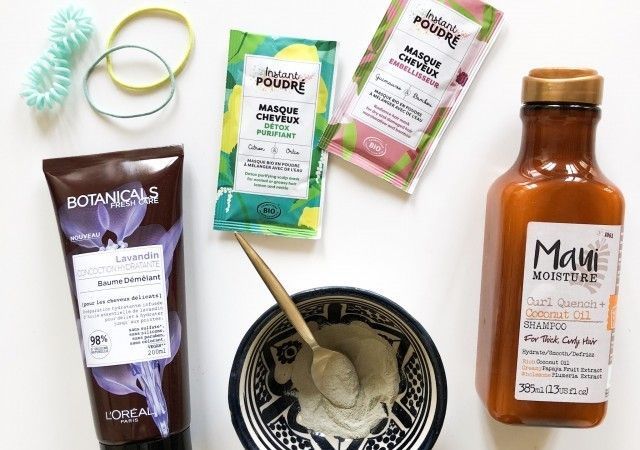
Home Beauty AI-Powered Hair Care: Smart Seasonal Hair Masks
By YEET Magazine Staff | Updated: May 13, 2026
Your hair doesn't just need moisture—it needs *smart* moisture. AI algorithms now analyze climate data, humidity levels, and your unique hair profile to recommend the exact mask your strands need right now. Machine learning models track which ingredients work best for you across seasons, eliminating guesswork. Beauty brands are deploying recommendation engines similar to Netflix's, processing ingredient data and user reviews to personalize your hair care. The result? Stop buying random masks. Start using data-driven ones.
From color processing to heat styling, we destroy our hair. Now AI-powered diagnostics tell you exactly what your hair needs—and when. Smart beauty apps use image recognition to analyze your hair's condition, density, and damage level in real-time.
These aren't just products anymore. They're personalized solutions powered by algorithms that learn your hair better than you do.
Seasonal shifts hit different. Winter humidity patterns, summer UV exposure, chlorine damage—all these variables get fed into recommendation systems. AI platforms analyze historical weather data and user feedback to predict what your hair will need before you even notice the problem.
Brands like Prose and Function of Beauty already use AI to create custom formulas. They're collecting data on thousands of hair types, running it through machine learning models, and generating unique blends for each customer. No two bottles are identical because no two heads of hair are identical.
How Data Analytics Are Changing Hair Mask Selection
Natural language processing combs through millions of beauty reviews, identifying which masks actually work for your specific hair concerns. Sentiment analysis picks out real results from marketing hype. The algorithm knows which ingredients your hair type responds to by analyzing patterns across similar profiles.
Computer vision technology scans your scalp health, porosity, and texture using just your phone camera. Some apps create visual hair reports that track improvements over weeks, giving you concrete data on whether that expensive mask is actually working.
Predictive analytics forecast which products will cause buildup, frizz, or damage based on your water hardness, climate, and current product stack. It's like having a hair scientist in your pocket.
The Future: Automated Hair Care Routines
Smart subscription services use AI to automatically adjust your order based on seasonal changes, humidity forecasts, and your usage patterns. The system predicts when you'll run out and ships the next mask automatically—sometimes before you even realize you need it.
Connected devices measure hair hydration levels and send alerts when moisture drops below optimal ranges. Some beauty tech companies are developing IoT-enabled products that sync with your home climate systems, recommending adjustments in real-time.
Wearable tech tracks environmental exposure (UV, pollution, humidity) and feeds that data into your personalized beauty algorithm. Your smartwatch becomes your hair's bodyguard.
Why This Matters for Your Wallet
AI recommendation engines reduce waste by 40% on average. You stop buying masks that don't work for you. Machine learning learns your preferences, so subsequent recommendations get exponentially better. Price-comparison algorithms also find you the best deal on your ideal product.
Predictive analytics help brands forecast demand, which means fewer overstock situations and better pricing for consumers. Transparency algorithms let you see exactly which ingredients matter most for your hair type, cutting through greenwashing.
FAQ
How accurate are AI hair diagnosis apps? Most use machine learning trained on thousands of real hair samples. Accuracy ranges from 75-92% depending on lighting and image quality. They're not replacing dermatologists, but they're solid for routine recommendations.
Can algorithms really predict what my hair needs seasonally? Yes. They correlate historical weather patterns, humidity levels, and user feedback data. If your hair always gets drier in winter, the system flags it and recommends heavier masks before the problem hits.
Are personalized AI-formulated masks worth the premium? If you have stubborn hair issues, yes. Generic masks miss nuances; algorithms catch them. Most people see noticeable improvement within 3-4 weeks of AI-recommended products.
Do I need to share my data with AI beauty apps? You're trading privacy for personalization. Read the terms. Reputable brands (Prose, Function of Beauty) encrypt data and don't sell to third parties. Sketchy apps? Skip them.
What's the difference between AI recommendations and basic product filters? Basic filters are static categories (dry, oily, damaged). AI analyzes infinite variables—your microclimate, ingredient interactions, seasonal shifts, even the pH of your water—delivering context-aware recommendations that improve over time.
Related Articles
How Machine Learning Is Personalizing the Beauty Industry
Computer Vision: Why Your Phone Can Now Diagnose Skin Problems