How AI Voice Synthesis is Rewriting Hollywood: The Angelina Jolie-Maria Callas Biopic Problem
Angelina Jolie's transformation into Maria Callas sparks a bigger conversation: Can AI replicate legendary opera voices? As voice synthesis tech advances, we're entering an era where actors won't need to actually sing—and that's changing everything about how biopics get made.

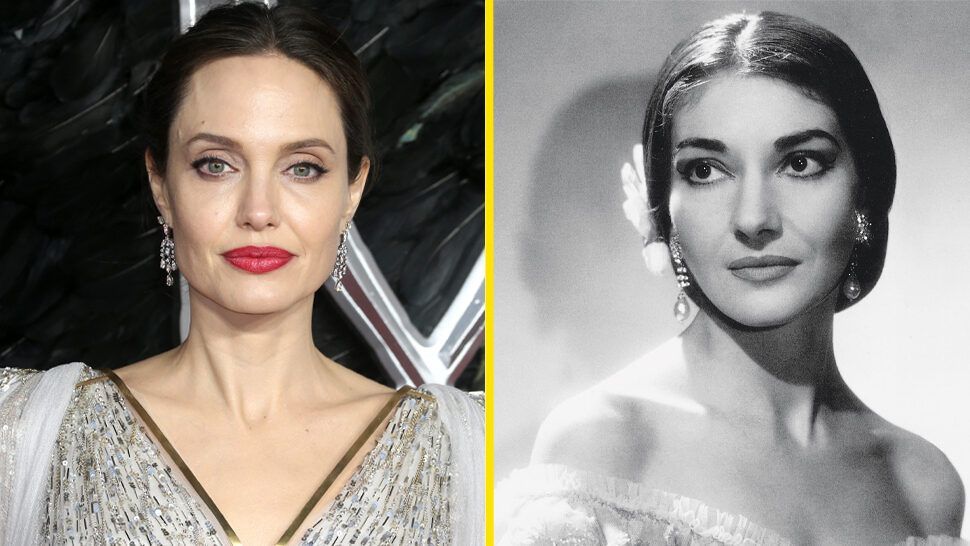
By PAOLA BAPELLE YEET MAGAZINE | Published October 21, 2023
By YEET Magazine Staff | Updated: May 13, 2026
Angelina Jolie is playing Maria Callas in the 2024 biopic 'Maria'—but here's the real story: AI voice synthesis could've done half the job already. With algorithms getting scary good at mimicking vocals, the entire premise of casting singers for music biopics is about to get disrupted. We're talking about a future where deepfake technology, voice cloning, and AI audio synthesis reshape how Hollywood makes these films.
The Maria Callas biopic represents a old-school approach: hire an A-list actor and hope audiences accept her performance. But the tech landscape is shifting fast. Voice synthesis algorithms trained on massive datasets can now replicate famous singers with unsettling accuracy. This raises the question: Should Jolie actually sing Callas' arias, use a voice double, or will an AI model trained on Callas' actual recordings do the work instead?
Maria Callas was born in 1923 and became the 20th century's most influential soprano. Her voice was technically extraordinary—a three-octave range that seemed impossible. Today, AI models are being trained to recreate exactly this kind of vocal specificity. You feed an algorithm thousands of hours of Callas recordings, and it learns the patterns, the timbre, the micro-expressions in her voice.
Jolie brings her acting chops to the role, which makes sense. But Larraín's direction will ultimately face a new challenge: How do you keep audiences emotionally connected when they know the voice might not be "real"? Trust becomes the currency. Transparency becomes the issue.
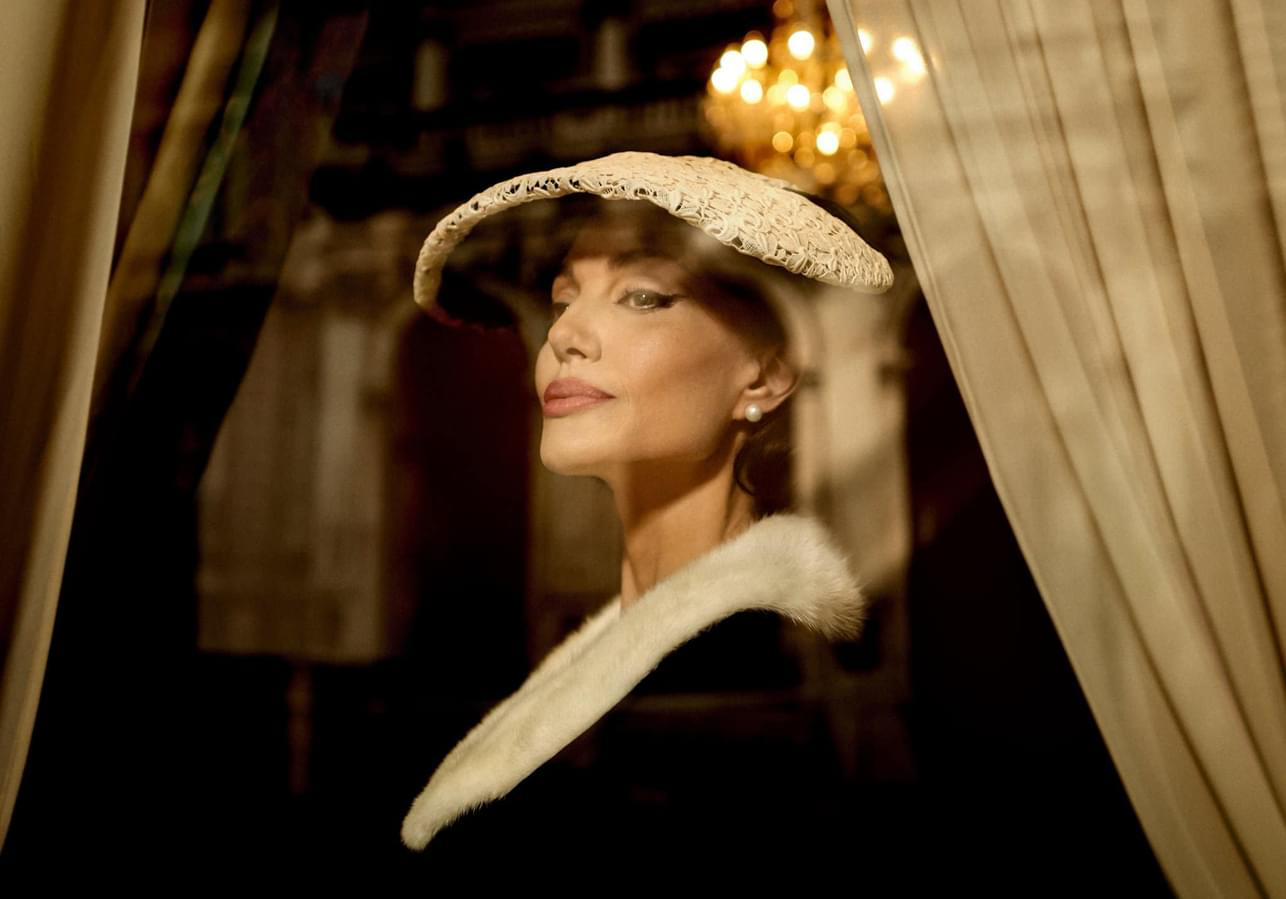
The real disruption isn't coming to acting. It's coming to the economics of film production. Why pay for vocal coaches and ADR (audio dialogue replacement) sessions when you can run voice synthesis in minutes? Studios will start asking: Do we need a singing double? Do we even need a trained vocalist in the role? This is where automation hits creative industries.
Deepfake technology gets a bad reputation, but the algorithmic capability is neutral. The same tech that creates fraudulent videos can also preserve the authentic voice of a dead legend. Ethical use matters. Hollywood will eventually establish standards—do studios disclose when AI voice synthesis is used? Do they need consent from an artist's estate?
Maria Callas died in 1975, so she never consented to anything. But her recordings exist. Her voice is archived. An AI trained on those archives could theoretically perform her arias perfectly, which raises philosophical questions: Is that honoring her legacy or exploiting it? Is the audience experiencing Callas or an algorithm's interpretation of Callas?
The future of music biopics will probably split into two camps: purists who demand human performers (and disclose when AI is used), and streamlined productions that lean fully into algorithmic efficiency. Both will exist. Both will make money.
What's undeniable is that Jolie's Maria is a transitional film—one made in the pre-AI-audio era of Hollywood, where actors still sing (or don't, depending on the director's choice). In five years, that might look quaint.
What happens to voice actors when AI does the work?
Voice actors, opera singers, and vocal coaches are about to face the same disruption that affected other creative roles. Studios will experiment with AI voice synthesis because it's cheaper, faster, and controllable. Some actors will adapt by becoming "voice directors" for AI models. Others will fight back by emphasizing human authenticity as a premium product. The union contracts will get messy.
Could AI have played Maria Callas better than Jolie?
No—but not for the reason you'd think. Acting requires embodied presence, emotional intelligence, and live performance energy. AI can't do that yet. What AI *can* do is provide the vocals. So the question isn't "AI or actor"—it's "actor plus AI voice, or actor doing her own vocals?" That's the actual choice Hollywood is facing.
Will studios actually use voice synthesis for biopics?
Already happening quietly. Some films have used voice AI for minor roles or dialogue correction. As the tech gets better and litigation settles around consent and intellectual property, expect it to scale. The 2024 'Maria' probably won't use it significantly—it's too high-profile for early experimentation—but watch the next five years of music biopics closely.
Does this mean the end of singing actors?
No. It means the end of *requiring* actors to actually sing on camera. Some will choose to. Some studios will market authenticity as the premium option. Others will go full algorithmic. The market will splinter, and consumers will eventually demand disclosure: "Human voice" vs. "AI-enhanced voice" might become a standard credit line.
Check out our coverage of how AI is disrupting creative industries and the future of actors in an AI era for more on this story.